Review · LEIGH
Goat Island Guided Snorkelling Tour For Advanced
Goat Island is a smart place to improve your snorkeling because the lesson takes place inside New Zealand’s first marine reserve. You start in shallow water with a certified instructor, then work toward ducking below the surface, clearing your snorkel, and equalizing your ears while watching for marine life.
I like the full-day equipment use, which gives you time to practise after the guided session ends. I also like the careful progression from a gear fitting and safety briefing to open-water exploration. The main drawback is clear: this is not a beginner outing. You must already know how to snorkel, feel comfortable in the ocean, understand English safety instructions, and be at least 12 years old.
Key points
- Practise real underwater skills: Learn to duck beneath the surface, equalize your ears, and clear your snorkel properly.
- Explore New Zealand’s first marine reserve: Goat Island offers protected waters known for marine life.
- Start in shallow water: The instructor makes sure you are comfortable with your equipment before moving farther out.
- Keep the gear all day: Your mask, snorkel, fins, wetsuit, and weight belt remain available after the 150-minute lesson.
- Drive yourself 3 km to the reserve: Equipment pickup and the water session happen at separate locations.
- Best for confident snorkelers aged 12 and over: Non-swimmers, beginners, and people with certain medical conditions should not book.
Why Goat Island suits advanced snorkeling practice
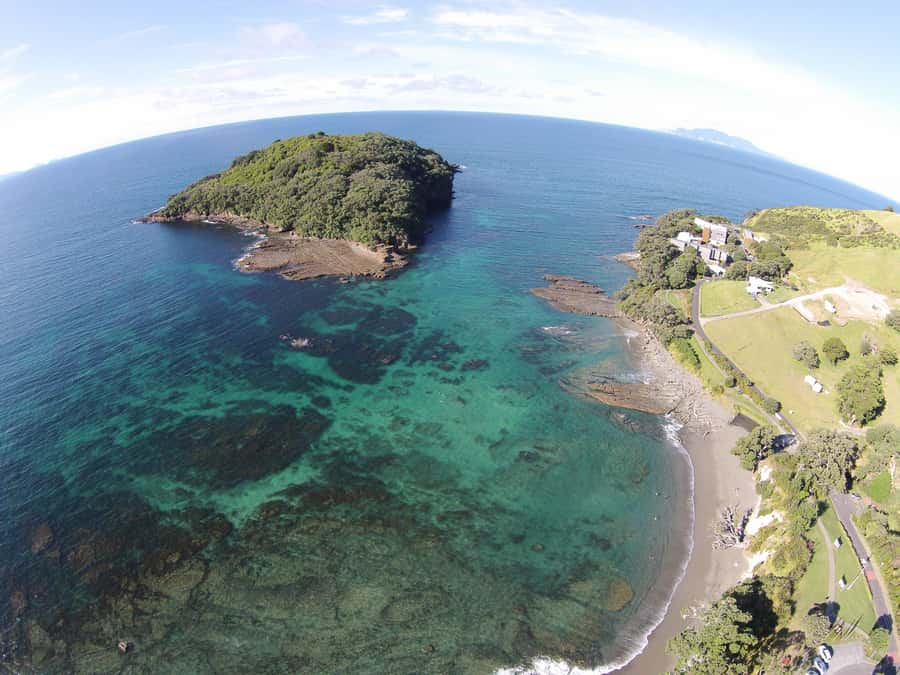
Goat Island Marine Reserve is more than a place to float around with a mask. It gives you a protected setting for working on skills that make snorkeling more comfortable and controlled.
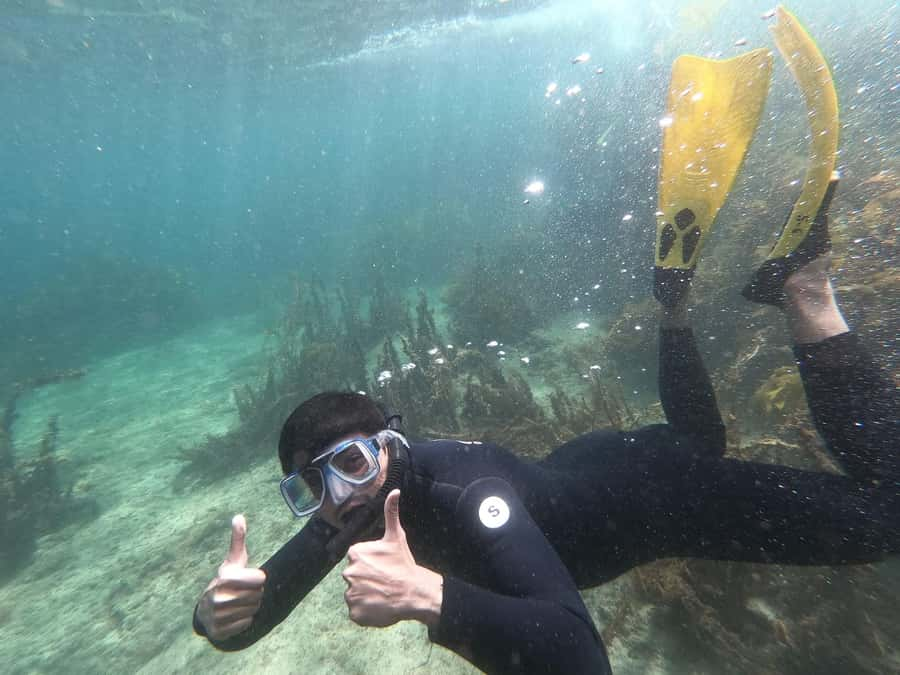
The main lesson is how to move below the surface without rushing. You practise ducking down, equalizing pressure in your ears, and returning to the surface with a clear snorkel. These techniques help you spend more time observing marine life instead of stopping to adjust your equipment.
I like that the guide does not send the group straight into deeper water. You begin in the shallows, check that your mask fits, and make sure the fins and wetsuit feel right. That simple start matters. A badly fitted mask or a snorkel that is awkward to clear can distract you before you even begin looking for fish.
The reserve also gives the lesson a genuine purpose. You are not practising skills in an empty pool. As you become more comfortable, you can use those techniques to inspect the underwater world around Goat Island.
More guided swims around the world:
- San Juan Guided Snorkel With Turtles Tour and Videos
★ 5.0 · 12,947 reviews - Dubrovnik: Sea Kayaking&Snorkelling Guided Day/Sunset Tours
★ 4.9 · 2,869 reviews - The ‘OG’ Manatee Snorkel Tour with In-Water Guide/Photographer
★ 5.0 · 2,539 reviews
From the Goat Island centre to the marine reserve
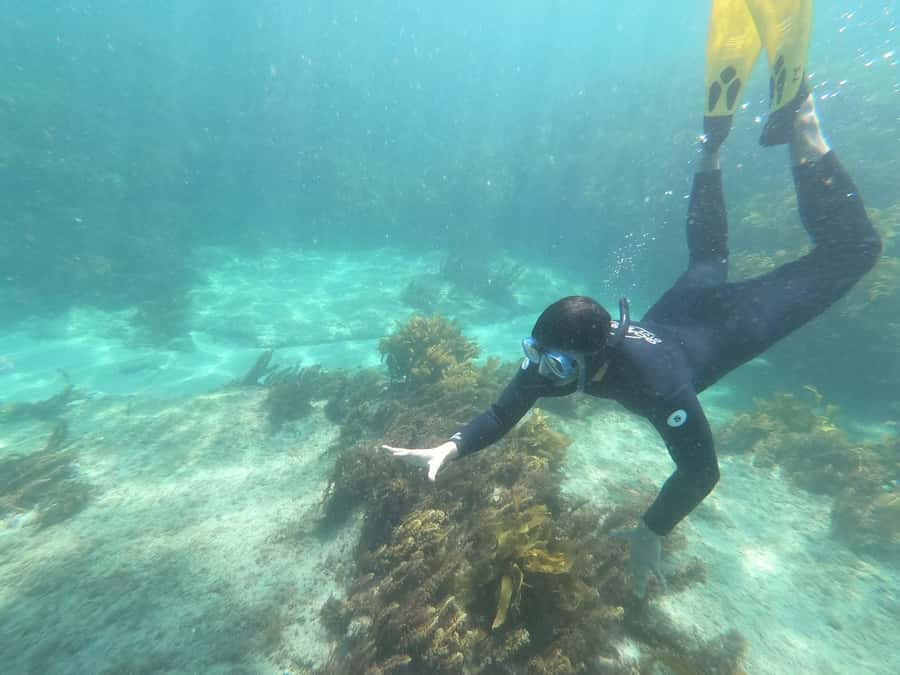
Your first stop is Goat Island Dive and Snorkel Centre. This is where you check in and collect the equipment included in the price: mask, snorkel, fins, wetsuit, and weight belt.
You then use your own vehicle to cover the 3 km to Goat Island Marine Reserve. Transport from the centre is not included, so plan for that short self-drive before the water session begins. The arrangement is easy enough for people with a car, but it is an important detail if you are relying on public transport or hoping to join a shuttle.
At the reserve, you meet the instructor and receive an introduction to Goat Island and its marine life. You will learn what you may see in the water and how to behave around it. Touching marine life is not allowed, so the focus is on watching without disturbing the animals.
The guide speaks English, and all participants must understand the safety instructions in English. That is not just a booking form detail. You need to follow directions quickly in an ocean setting, especially when the lesson moves from shallow practice to more active snorkeling.
The equipment fitting sets up the whole session
A wetsuit can make a major difference during a long snorkeling session. It helps you stay comfortable in the water and gives you time to concentrate on technique rather than getting cold.
The mask is equally important. A good fit lets you look around without constant leaks or readjustment. The snorkel needs to sit comfortably, while the fins should help you move without forcing you to kick hard.
The weight belt is part of the supplied kit and supports the underwater practice. Your instructor will explain how to use the equipment and will run through safety points before you begin.
You do not need to bring food or drinks as part of the tour, and none are included. Bring your swimwear and a towel. Since the equipment stays available to you for the rest of the day, you can also plan extra independent time in the reserve after the guided portion.
A careful start in shallow water
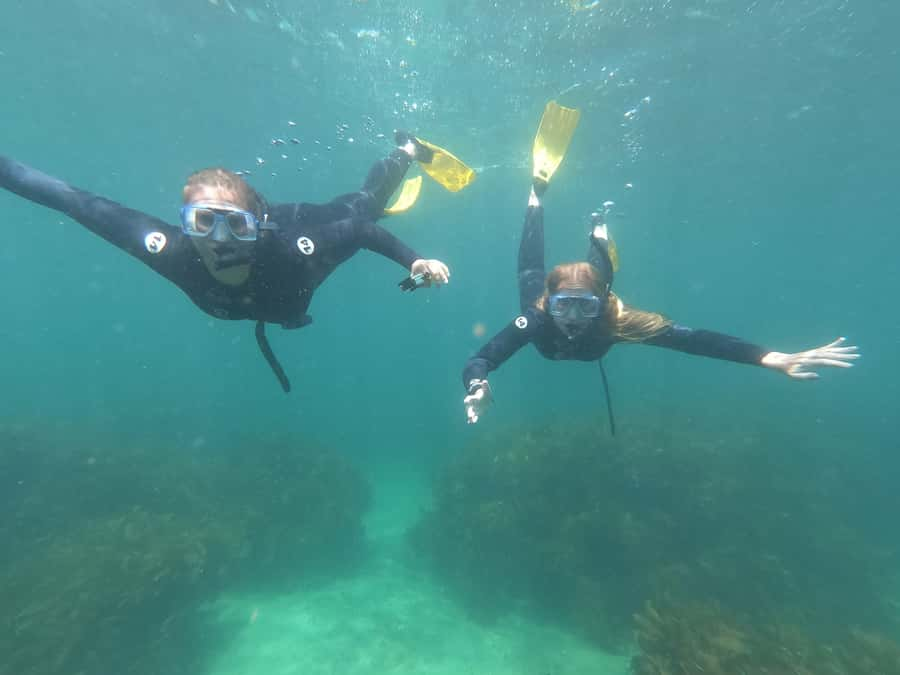
The lesson begins in shallow water, where you can get used to the kit and your breathing. This is the right place to work out small problems. If your mask needs adjusting or your snorkel feels awkward, you can deal with it before heading farther out.
The instructor watches how everyone handles the basic setup. Once the group is comfortable, the session progresses into the reserve. The pace is shaped by the need to keep the group safe and together, so this is not a private free-for-all.
I like this structure because advanced snorkeling is not only about swimming farther. It is about staying calm, making controlled movements, and knowing what to do when water enters the snorkel or pressure builds in your ears.
The early part may feel slow if you already have strong skills. Still, the shallow-water check is valuable. It gives the guide a chance to catch problems before they become stressful.
More snorkeling tours around the world:
- Oahu: Grand Tour Around Island 16 Locations plus Snorkeling
★ 5.0 · 8,669 reviews - Tenerife: Kayak and Snorkel with Turtles, Wetsuits Included
★ 4.6 · 7,215 reviews - ️Nusa Penida by Private Boat – Snorkeling 4 spots, Swim with Mantas + Land Tour
★ 5.0 · 6,424 reviews - Big Island Manta Ray Night Snorkel
★ 5.0 · 5,656 reviews
Learning to duck below the surface
The signature skill here is the duck-under technique. You learn to lower yourself beneath the surface while keeping your movements controlled, then return for a clear breath through the snorkel.
That lets you look more closely at the seafloor and marine life. It also makes snorkeling feel less like passive floating and more like a planned way to explore.
You will practise the movement with an instructor rather than trying to work it out alone. The guide can watch your technique and help you stay relaxed. Calm movement is useful because sudden kicking and arm waving can tire you quickly and make it harder to keep your mask in place.
This part is not suited to nervous swimmers. The outing assumes you have snorkeled before and are confident in the ocean. If you are still learning how to breathe through a snorkel at the surface, choose a beginner experience instead.
Equalizing and clearing the snorkel
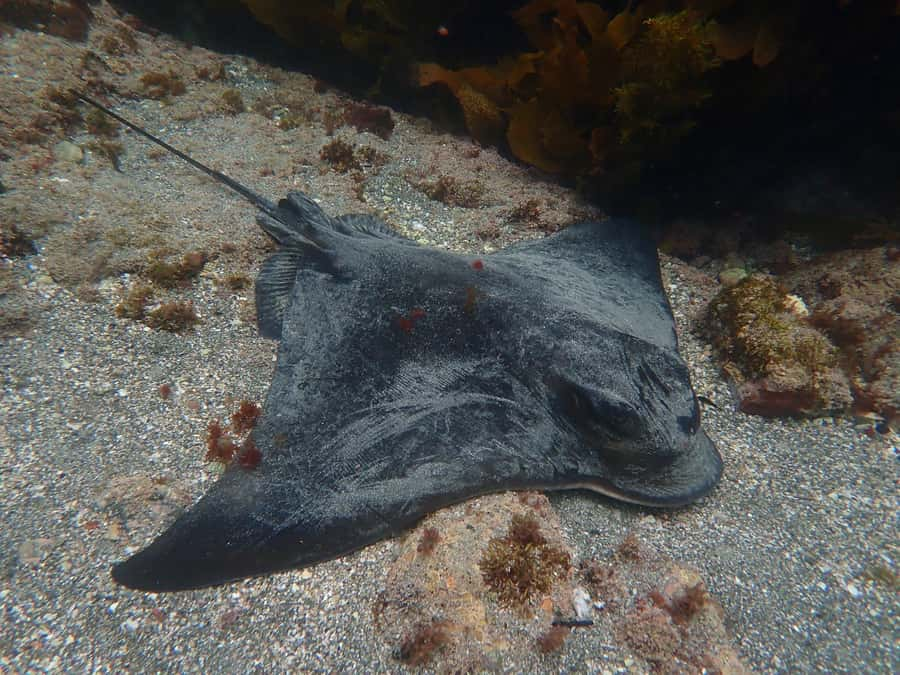
Two other skills receive specific attention: equalizing your ears and clearing your snorkel.
Equalizing helps manage pressure as you move below the surface. The instructor will show you the technique, but you should never force it. If your ears hurt, you need to return to a comfortable depth and follow the guide’s advice.
Clearing the snorkel is just as practical. Water can enter the tube, and you need to know how to remove it before taking a normal breath. Practising this with supervision can make a big difference to your confidence.
These are small actions, but they shape the quality of the entire outing. Once you can handle them without panic, you can give more attention to fish, rays, and other marine life.
Meeting Goat Island’s marine life
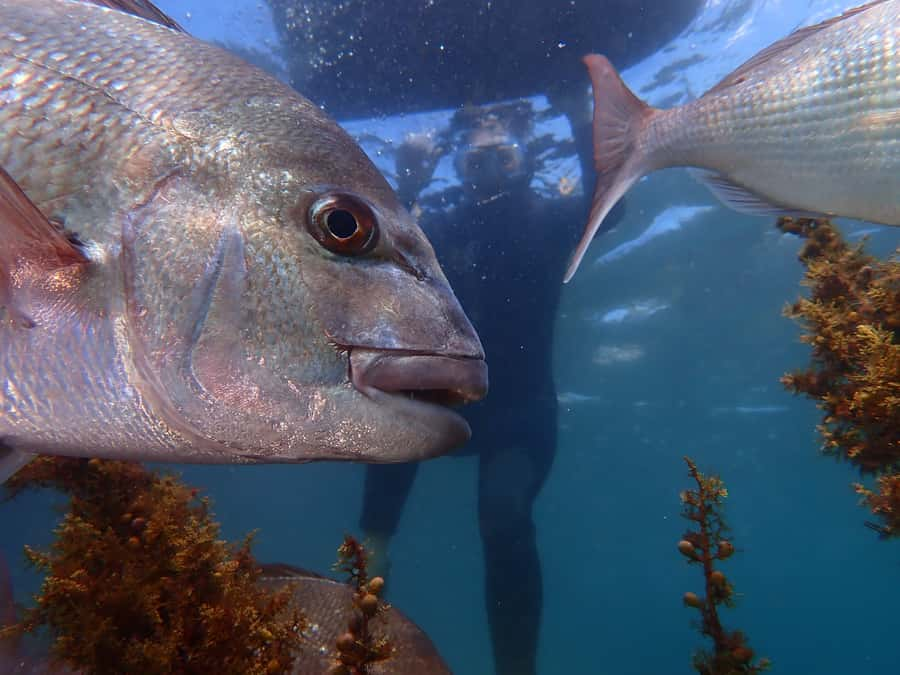
The guide introduces the reserve and the creatures you are likely to see before you get into the water. During the session, the aim is to apply your new skills while observing the marine life around Goat Island.
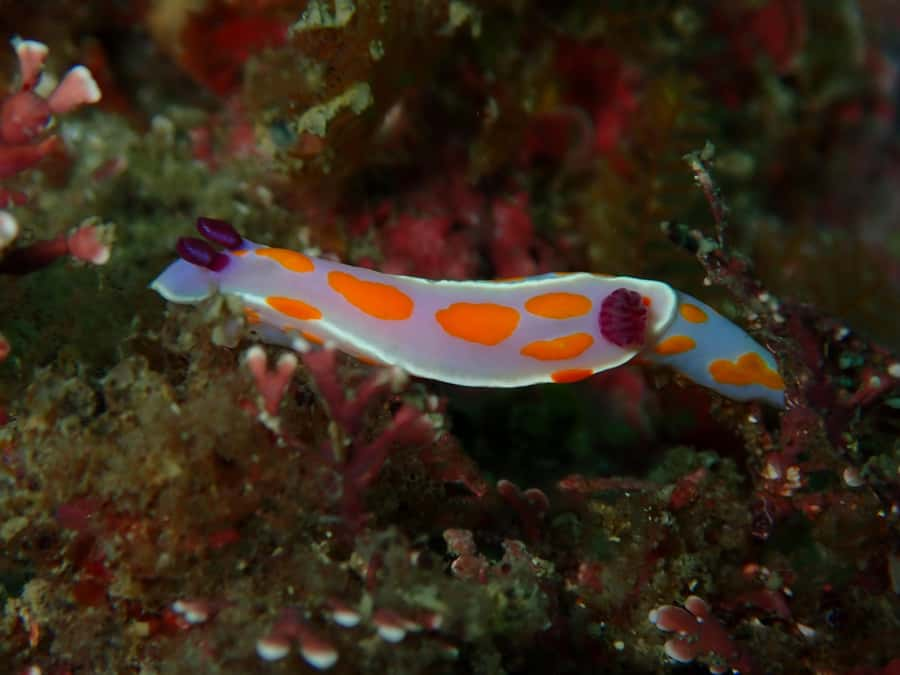
One confirmed example from a recent outing is a stingray, along with many fish. Sightings will vary, since wildlife does not follow a timetable, but the reserve gives you a strong reason to keep looking carefully.
Do not treat the animals as props. Touching marine life is forbidden, and the best approach is to watch quietly and give creatures room. The lesson’s practical skills help here because controlled movement makes it easier to observe without splashing around or chasing anything.
The reserve’s protected status adds meaning to the trip. You are learning in a place created for marine conservation, not simply using an attractive patch of water as a practice area.
A guide-led session with a personal touch
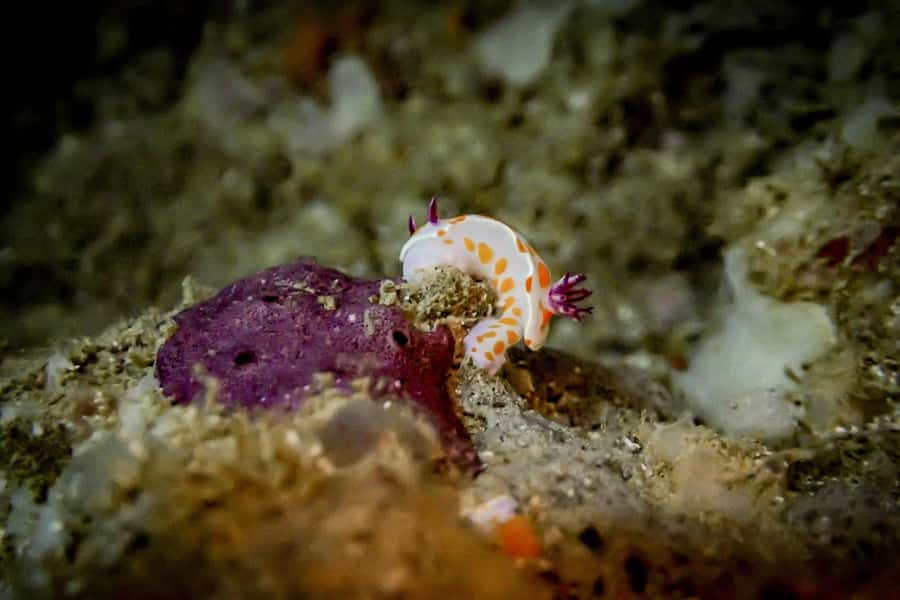
The quality of the guide matters in a skill-based activity. A recent session led by Skye was described as energetic, with plenty of information about sea life and a group that quickly became excited to get started.
That enthusiasm suits this kind of outing. Advanced snorkeling can sound technical if it is explained as a list of rules. A lively instructor can make the practical work feel connected to what you are seeing in the water.
The guide also provides the safety briefing and explains the local marine setting. You are not left to guess when to move on from shallow water or how to use the new techniques.
The activity is offered in English. If you are not comfortable understanding spoken safety instructions in English, this is not the right choice.
The extra value of keeping the equipment
The 150-minute guided session would be worthwhile for someone seeking instruction, but the equipment use for the rest of the day improves the value.
After the lesson, you can continue practising in the reserve on your own. This gives you time to repeat the skills while they are fresh, rather than packing up just as you begin to feel comfortable.
The arrangement also lets you choose your own pace after the guided section. You might want more time working on surface breathing and snorkel clearing, or you might prefer to watch the marine life without stopping for instruction.
Remember that the extra equipment use does not turn the activity into a supervised full-day tour. The guided portion lasts 150 minutes. Afterward, you are responsible for your own independent time and should continue to follow the reserve rules and the safety guidance you received.
Is $56 a fair price?
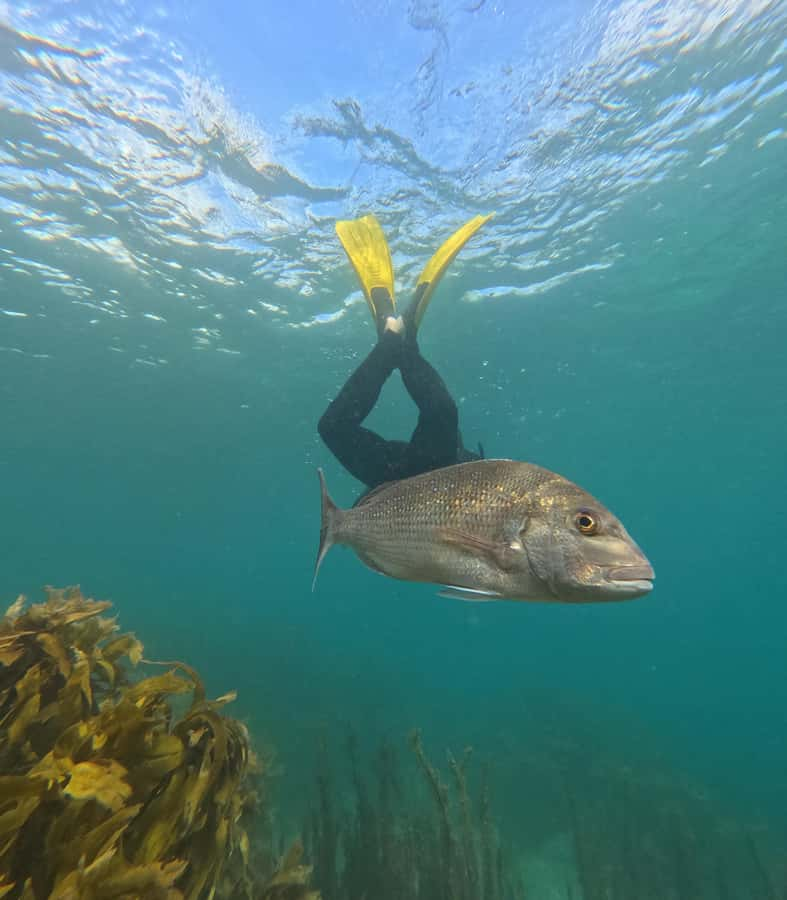
At $56 per person, the price is reasonable if you need equipment and want actual instruction rather than a basic rental. You receive the mask, snorkel, fins, wetsuit, and weight belt, plus a certified guide and access to the kit for the rest of the day.
The value is strongest for a snorkeler who already has some experience but wants to improve technique. A casual visitor who only wants to float on the surface may not use enough of the instruction to justify paying for an advanced lesson.
Food, drinks, and transport from the centre to the reserve are not included. You must drive the 3 km yourself, so factor that into your plans. The price also does not remove the need to bring swimwear and a towel.
The activity has a rating of 4.8 from nine reviews, and the available comments point to two useful strengths: enthusiastic instruction and good marine-life information. Skye is specifically praised for keeping the group engaged while explaining what they saw, including a stingray and other fish.
Who should book this Goat Island session?
I would choose this for a confident swimmer aged 12 or older who has snorkeled before and wants to become more capable in the ocean.
It is a good fit if you want to:
- Learn how to duck below the surface with better control
- Practise ear equalizing with an instructor nearby
- Become comfortable clearing a flooded snorkel
- Explore Goat Island Marine Reserve with guidance
- Keep the equipment for more practice afterward
I would not choose it for a first-ever snorkeling attempt. It is also unsuitable for non-swimmers, children under 12, people who are not confident in the ocean, and people with pre-existing medical conditions.
The safety requirements are firm for a reason. You need to understand instructions in English and be able to manage yourself in ocean water. If either point is uncertain, choose a less advanced activity.
Practical details before you go
The total guided experience lasts 150 minutes, but allow extra time for equipment collection and the 3 km drive to the reserve in your own vehicle.
Bring swimwear and a towel. Food and drinks are not provided, so arrange those separately if you expect to spend much of the day at Goat Island.
Alcohol and drugs are not allowed. You also must not touch marine life.
You can cancel up to 24 hours before the activity for a full refund, and the reserve-now, pay-later option lets you hold a place without paying immediately. Starting times vary, so check availability for the day you want.
Should you book the advanced Goat Island tour?
Book it if you already snorkel, feel secure in the ocean, and want to turn basic experience into better technique. The combination of a certified guide, a gradual shallow-water start, marine-life instruction, and full-day equipment use gives the $56 price solid value.
Skip it if you are a beginner or mainly want a relaxed surface swim. For the right participant, this is a focused way to explore New Zealand’s first marine reserve while learning skills you can use on future snorkeling trips.
FAQ
How long does the Goat Island guided snorkeling tour last?
The guided activity lasts 150 minutes. Equipment can be used for the remainder of the day after the guided session.
Where do I meet the tour?
Check in at the Goat Island Dive and Snorkel Centre to collect your equipment. You then drive your own vehicle 3 km to Goat Island Marine Reserve to meet the instructor.
What equipment is included?
The tour includes a mask, snorkel, fins, wetsuit, and weight belt. A certified guide is also included, and you can keep using the equipment for the rest of the day.
Do I need previous snorkeling experience?
Yes. All participants must have snorkeled before and must be confident swimming in the ocean. This activity is not suitable for beginners or non-swimmers.
Can children join the tour?
All participants must be over 12 years old. Children under 12 cannot join this activity.
What should I bring?
Bring swimwear and a towel. Food, drinks, and transport from the centre to the marine reserve are not included.
New snorkel trips around the world
- Panglao: Snorkeling at NapalingReef with Sardines Experience★ 4.7 · 14 reviews
- Palma de Mallorca: Palma Bay Boat Tour with Snorkeling★ 4.4 · 440 reviews
- Palma de Mallorca: Private Boat Tour with Snorkel and Paddle★ 5.0 · 117 reviews
- Pamilacan island: Dolphins, snorkel, lunch and walking tour★ 4.3 · 8 reviews
- Palermo: Shared Tour with Snack and Snorkeling★ 4.9 · 582 reviews
- Palermo: Full-Day Snorkeling Boat Tour with Lunch and Wine★ 5.0 · 196 reviews
- Palermo : Tour condiviso in barca con Aperitivo e Snorkeling★ 4.9 · 100 reviews
- Ozzy Snorkeling 3 Islands Visit Baby Turtles★ 4.3 · 37 reviews
Snorkeling Tours, side by side.
San Juan Guided Snorkel With Turtles Tour and Videos
Read our review →
Tenerife: Kayak and Snorkel with Turtles, Wetsuits Included
Read our review →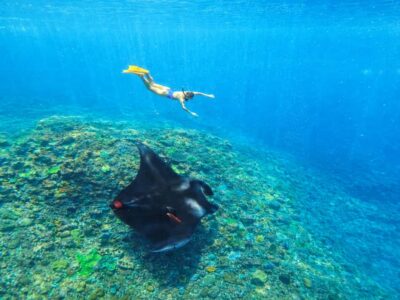
Nusa Penida by Private Boat – Snorkeling 4 spots, Swim with Mantas + Land Tour
Read our review →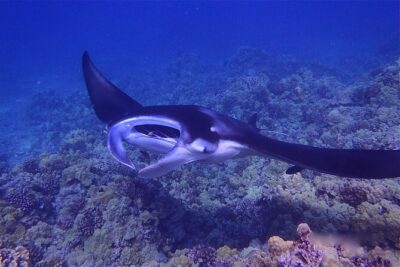
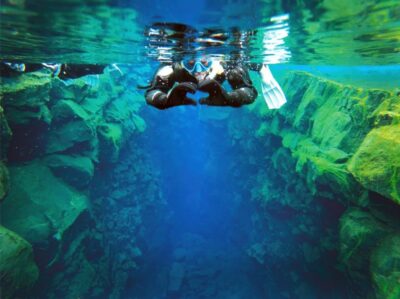
Silfra: Snorkeling Between Tectonic Plates – Meet on Location
Read our review →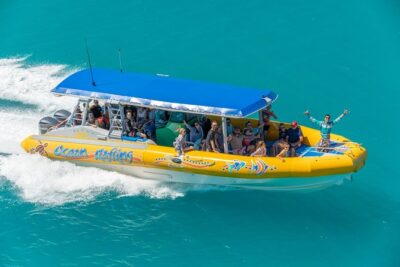
Ocean Rafting: Whitehaven Beach, Snorkelling & Hill Inlet Lookout
Read our review →
Gran Canaria: Catamaran Dolphin Watch Cruise with Snorkeling
Read our review →