Review · LEIGH
Goat Island Guided Snorkeling Tour for Beginners
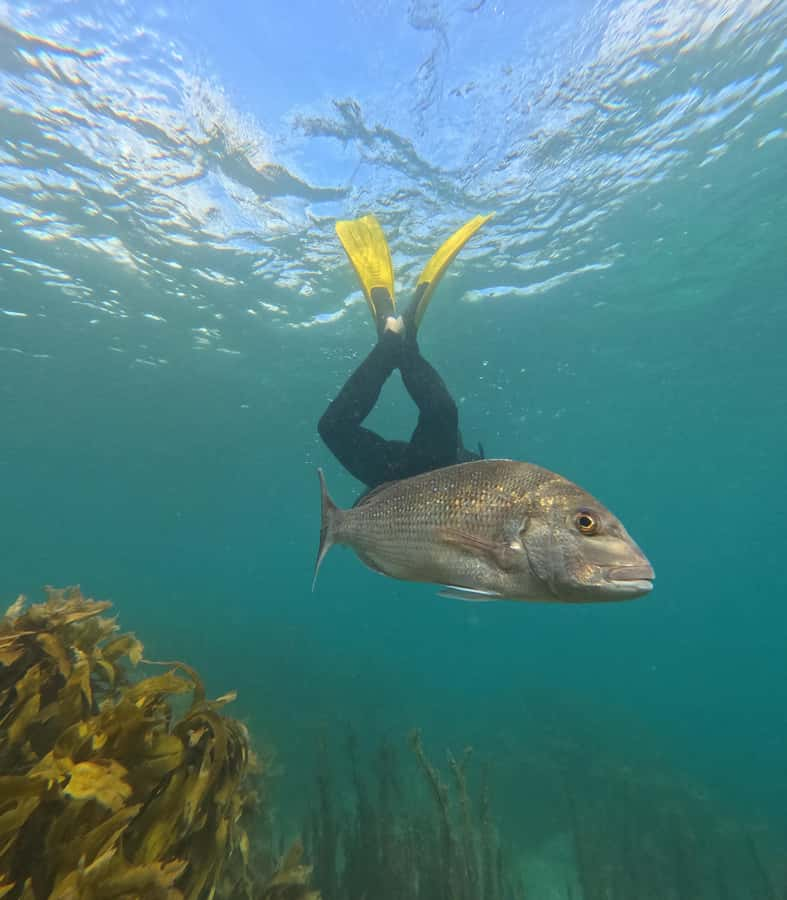
Goat Island is a fine place to learn snorkeling because the tour starts in shallow water, not out in the blue. You’ll first learn to breathe through the tube, move with fins, and look below the surface without panic. Once you feel ready, your instructor leads you farther from shore among kelp, snapper, blue maomao, rays, and other marine life.
I like the patient, personal instruction, especially for nervous swimmers. I also like the value: your wetsuit, mask, snorkel, and fins remain available for the rest of the day, so the $56 fee buys more than 150 minutes in the water.
The main consideration is that the group’s progress depends on everyone’s confidence. If one or two people are struggling, the guide may need to stay close to shore, as one participant found. Low tide can also limit the experience.
Key points to know before you book
- A gentle start for beginners: You practice breathing, swimming, and equipment use in shallow water before heading farther out.
- Flotation support is provided: Special safety equipment helps people who are new to the ocean stay afloat and move naturally.
- A 3-kilometre self-drive transfer: Pick up your equipment at the center, then drive your own vehicle to Goat Island Marine Reserve.
- All-day gear value: You can keep using the snorkel equipment after the guided session for the rest of the day, with the practical return time noted as 5 p.m.
- Guides make the difference: Tiff, Sky, Connor, Sarah, Mikayla, Jodi, Kyle, and Amber are among the instructors praised for calm help and clear explanations.
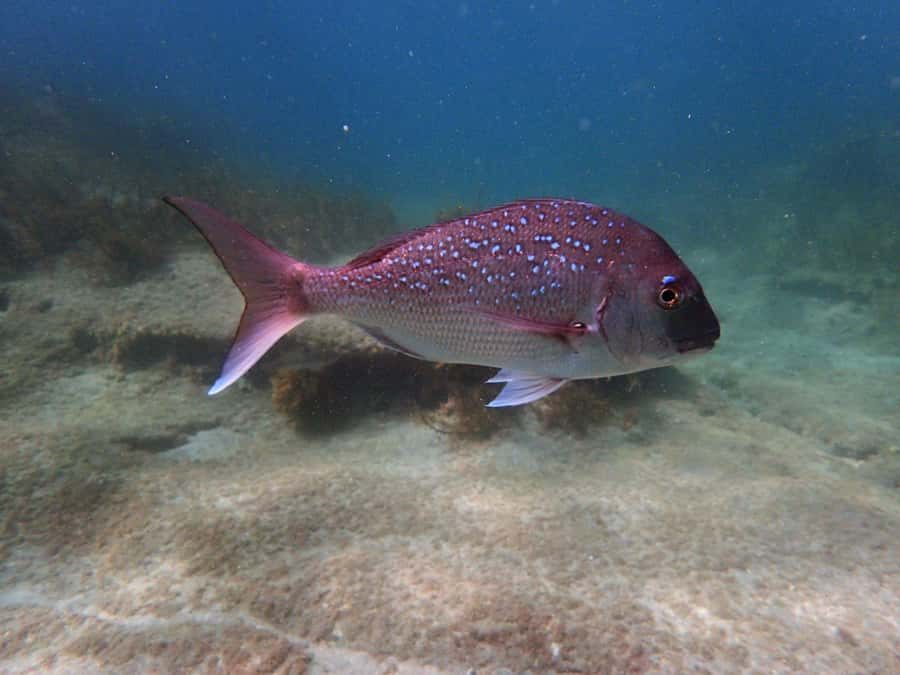
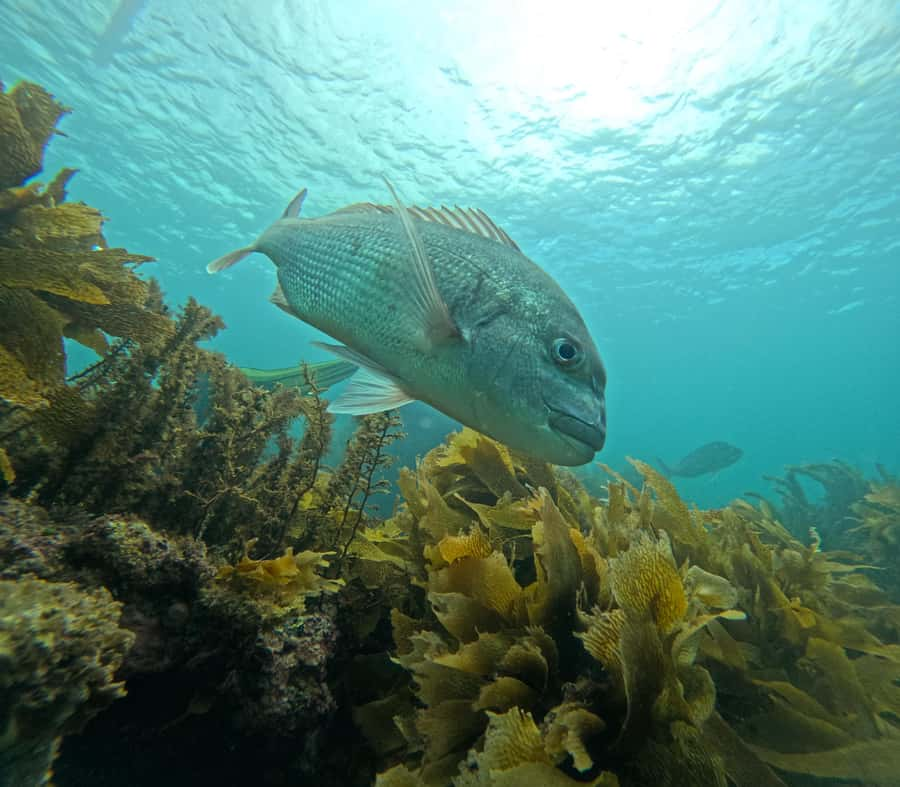
- The reserve is a living aquarium: You might see blue maomao, snapper, blue cod, eagle rays, stingrays, octopus, kahawai, crayfish, and occasionally dolphins or orca.
Why Goat Island works for first-time snorkelers
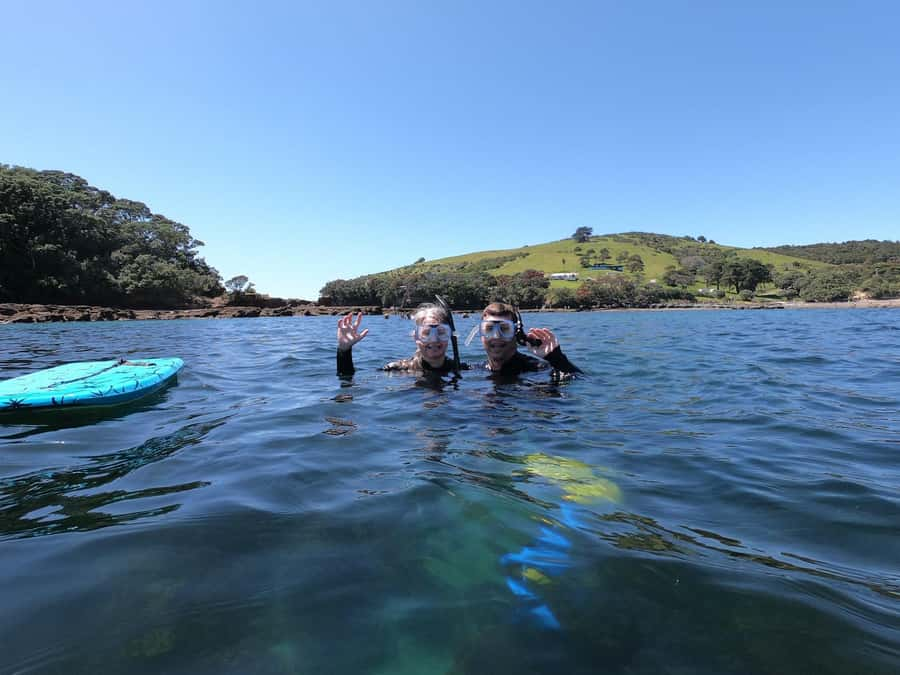
Goat Island Marine Reserve was New Zealand’s first marine reserve, and that matters here. You are not simply being taken to a pretty beach and told to put your face in the water. The protected area gives you a chance to see marine life in its natural home, often close to shore and in water suited to beginners.
The tour is built around confidence. The instructors do not expect you to arrive knowing how to use a mask or breathe through a snorkel. You start with the equipment on land, then work through the strange feeling of breathing while looking underwater.
That gradual approach is especially useful if you have never snorkeled, dislike open water, or feel unsure about swimming in the sea. The flotation equipment helps you remain on the surface while you get used to kicking with fins and turning your head to breathe.
Still, I would not treat this as a guaranteed no-swimming-required outing. The experience welcomes people who are new to swimming and ocean conditions, but you must be able to follow safety instructions and manage your comfort in the water. A participant who became frightened in deeper water was helped back to confidence by the guide, but another group found that very nervous participants kept everyone in shallower water.
That is not a flaw in the safety plan. It is simply the trade-off of a beginner group. The instructor’s first duty is keeping everyone calm and safe, not pushing the most confident people farther out.
More guided swims around the world:
- San Juan Guided Snorkel With Turtles Tour and Videos
★ 5.0 · 12,947 reviews - Dubrovnik: Sea Kayaking&Snorkelling Guided Day/Sunset Tours
★ 4.9 · 2,869 reviews - The ‘OG’ Manatee Snorkel Tour with In-Water Guide/Photographer
★ 5.0 · 2,539 reviews
From the center to the reserve
Your first stop is the Goat Island center, where staff fit you with a wetsuit, mask, snorkel, and fins. Allow extra time for this part. One useful tip from a past participant is to arrive at least 15 to 30 minutes before the scheduled start, especially if you need help with equipment.
The wetsuit is important even on a warm day. It gives you warmth in the sea and a little extra comfort as you learn to move. You will need to bring your own swimwear and towel, but the main snorkeling equipment is supplied.
The tour is self-drive. After collecting your gear, you drive about 3 kilometres to the Goat Island Marine Reserve in your own vehicle. Transport from the center to the reserve is not included, so plan for that short transfer before you book.
This arrangement has one advantage: you are free to explore at your own pace after the guided portion. It also means you need to organize your timing and vehicle yourself. The center is not the water entry point, so do not arrive at the shop at the last possible minute.
The briefing explains more than safety
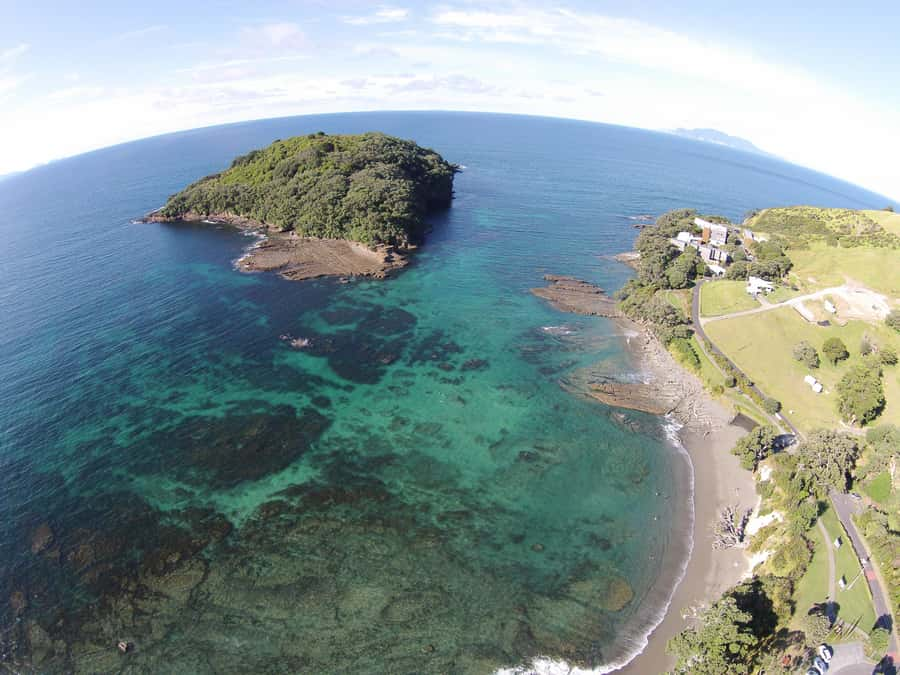
At the reserve, your instructor introduces the setting and explains the marine life you might see. You learn why Goat Island is important, what lives in the reserve, and how to behave around it.
The safety briefing is described as full and thorough. That is welcome on a first ocean outing. You learn how to use the mask and snorkel, how to swim with fins, and how to respond if the equipment feels awkward or breathing through the tube feels unnatural.
The guides also help you identify species. Sarah, for example, was praised for explaining the local fish before the session, making it easier to recognize them once everyone was in the water. That small lesson adds a lot. Instead of seeing only flashes of silver and blue, you start noticing the difference between a snapper, blue maomao, blue cod, or kahawai.
The rule about marine life is simple: look, but do not touch. That protects the animals and keeps the reserve in good condition for everyone who comes after you. Alcohol and drugs are not permitted, and every participant must understand the safety instructions in English.
Your first minutes in the water
The first water session stays shallow. This is where you get used to the mask seal, the snorkel, the fins, and the sensation of floating in a wetsuit.
For many people, this is the most valuable part of the experience. The hard part of snorkeling is often not the fish. It is the first minute of putting your face underwater and trusting that you can breathe. A calm instructor nearby can make that change much easier.
You will practice moving naturally rather than thrashing your arms. The flotation equipment is intended to keep you buoyant while you find a comfortable rhythm. If you are nervous, you can focus on one task at a time: breathe slowly, keep your face in the water, and kick gently.
Connor received especially strong praise for helping nervous participants, including children, settle down. Another participant described becoming frightened in deeper water, then continuing after Connor helped calm her. Those details tell you what kind of support matters here: not just a safety speech, but a guide who notices when someone needs a slower pace.
Once the group feels comfortable, the instructor leads everyone farther out to continue looking around the reserve. Exactly how far you go depends on conditions and the confidence of the group.
More snorkeling tours around the world:
- Oahu: Grand Tour Around Island 16 Locations plus Snorkeling
★ 5.0 · 8,669 reviews - Tenerife: Kayak and Snorkel with Turtles, Wetsuits Included
★ 4.6 · 7,215 reviews - ️Nusa Penida by Private Boat – Snorkeling 4 spots, Swim with Mantas + Land Tour
★ 5.0 · 6,424 reviews - Big Island Manta Ray Night Snorkel
★ 5.0 · 5,656 reviews
Fish, kelp, rays, and the occasional surprise
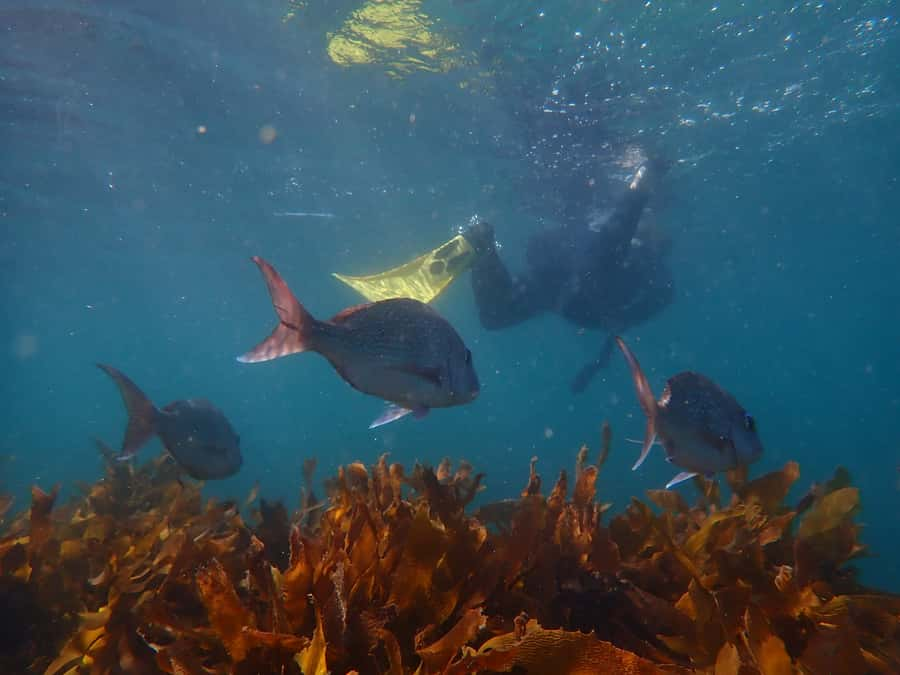
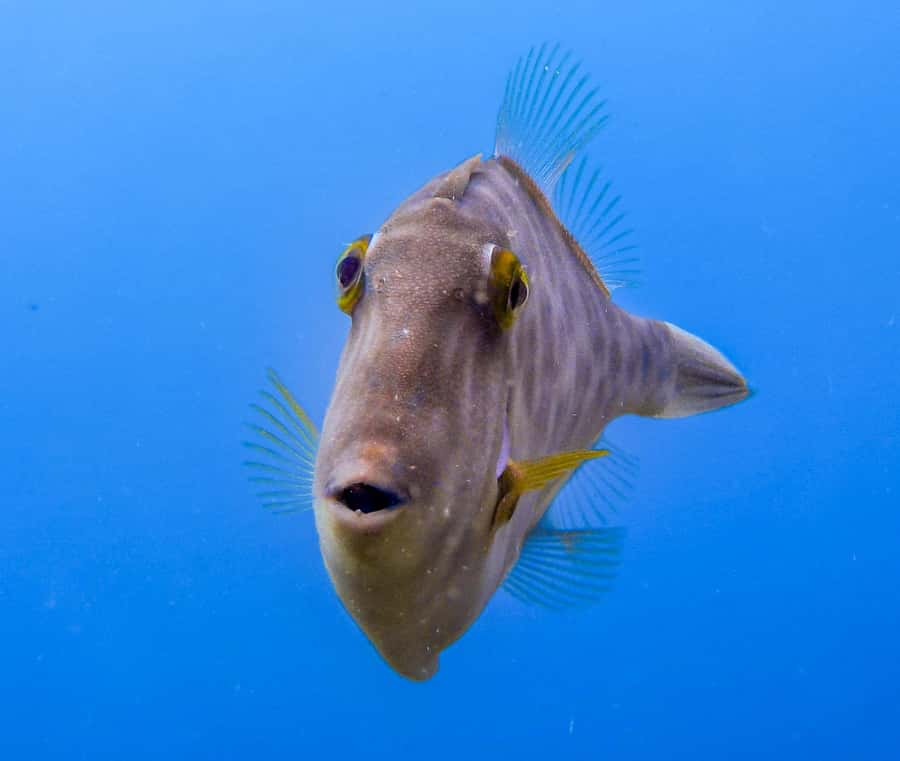
Goat Island can feel like a natural aquarium. The water may reveal blue maomao, snapper, blue cod, kahawai, crayfish, octopus, eagle rays, and stingrays. Kelp adds another layer of interest, swaying below you and giving the reserve a proper wild-sea feeling rather than the look of a swimming pool.
The reserve’s appeal is not only the number of species. It is the chance to see them while you are still learning. You do not need advanced technique to appreciate a fish moving below your mask or a ray passing over the seafloor.
Dolphins or orca sometimes visit the reserve and may play near snorkelers. Treat that as a lucky possibility, not a promised part of the tour. The regular reward is the marine life in the shallows, not a guaranteed encounter with large animals.
Clear water can make a major difference. One participant enjoyed filming fish, and another recommended bringing an underwater camera in summer. The guided session may also include GoPro photographs that are posted online, according to the practical details supplied by the operator.
The camera should never become the main job. If you are busy managing a phone or camera, you may miss the fish directly beneath you. For a first session, I would learn the equipment and enjoy the water first, then take photos if you feel settled.
What the 150 minutes really includes
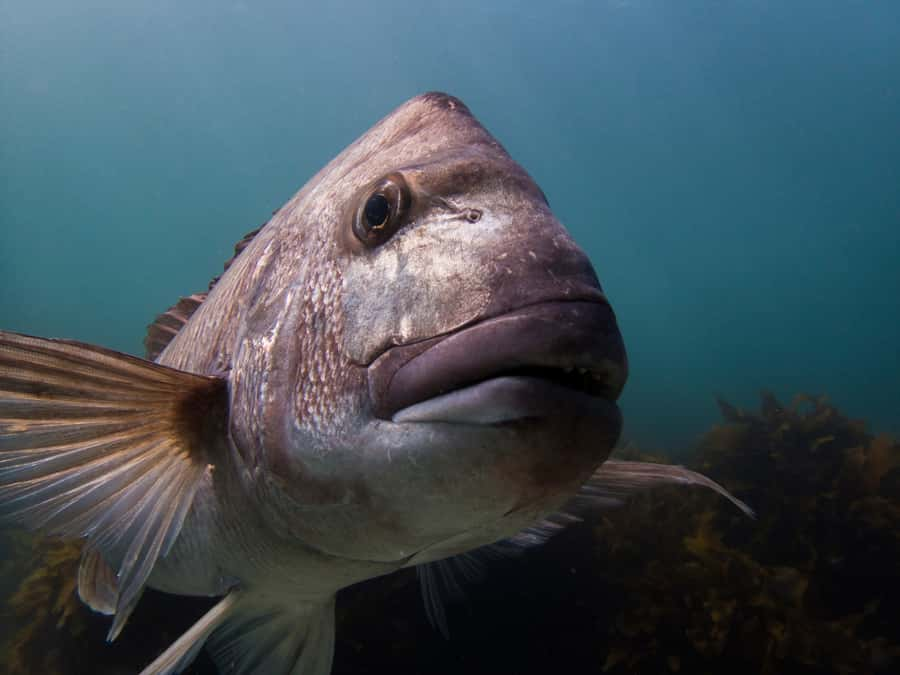
The advertised duration is 150 minutes, but that time includes the teaching and safety work that make the activity suitable for beginners. You should not expect two and a half hours of continuous swimming away from shore.
The session begins with equipment use, an explanation of the reserve, and safety instructions. It then moves into shallow-water practice before the group continues farther out. For a newcomer, that structure is sensible. A shorter session with good coaching is more useful than a long one that leaves you cold, tired, or rattled.
The real value comes from the extra equipment time. After the guided tour, you can use the snorkeling gear for the rest of the day and explore at your own pace. A past participant specifically noted access until 5 p.m., so confirm the exact return time when you collect your equipment.
This changes the price calculation. At $56 per person, you are paying for an instructor-led introduction, a safety briefing, a wetsuit, the mask and snorkel, fins, and additional independent use. Food, drinks, and the short drive from the center to the reserve are not included.
For someone who wants only a quick look underwater, the price may feel high. For a first-timer who plans to spend more time at Goat Island afterward, it is stronger value. The extra gear access also lets you repeat the skills while they are fresh.
How the guides shape the experience
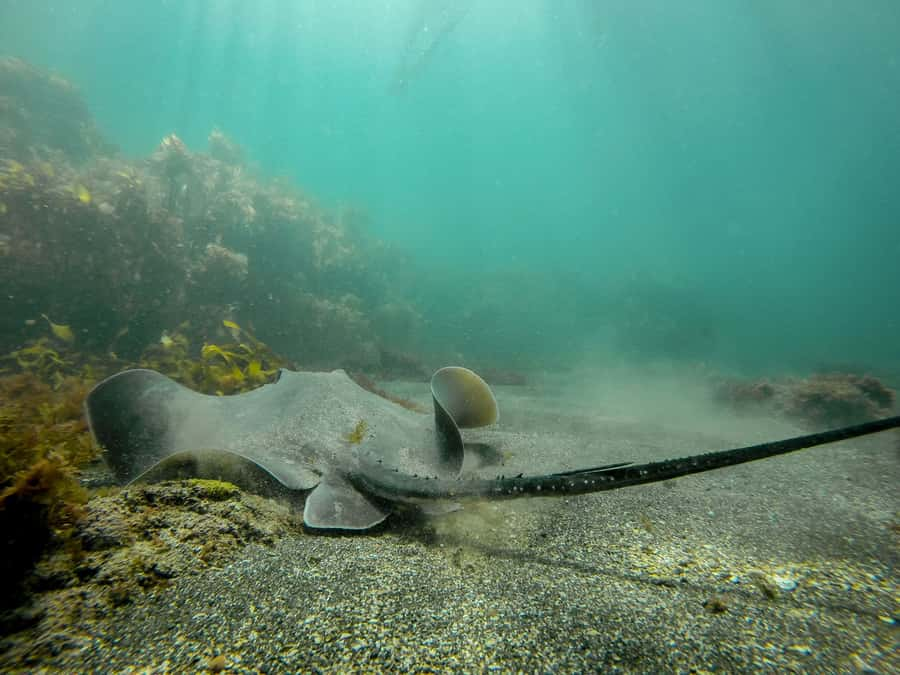
The strongest feature here is the instruction. Names that come up in the tour details include Tiff, Sky, Kyle, Amber, Jodi, Connor, Sarah, and Mikayla. The praise is consistent in a useful way: people valued calm help, clear explanations, friendly humor, and attention to individual comfort.
That matters more than a flashy route. Snorkeling equipment can be fiddly, and ocean conditions can make a confident person feel awkward very quickly. A guide who can explain the problem, adjust the pace, and keep you breathing steadily is worth paying for.
Mikayla was praised for making a nervous participant feel at ease and for explaining the local marine life. Jodi was remembered for an informative session, while Tiff, Kyle, and Amber were praised for making the outing fun as well as useful.
The guides also help more confident members of a group. Connor supported children who wanted to go farther down while continuing to help those who were still finding their balance. That mixed approach is helpful for families and groups with different skill levels, though the entire group may still move at the pace of the least comfortable person.
Tide, confidence, and other practical limits
Water conditions affect the experience. One participant found that low tide reduced the enjoyment, so do not assume every departure will offer the same visibility or route. The tour operates in the ocean, not a controlled indoor pool.
Your own comfort level also matters. The activity is designed for people new to swimming or ocean snorkeling, but it is not suitable for people with pre-existing medical conditions. Children under 15 cannot take part, and all participants must be over 14 according to the age rules.
The age information is worth checking carefully when booking, since the activity notes both over 14 and not suitable for children under 15. For practical planning, treat this as an outing for participants aged 15 and older.
Bring swimwear and a towel. Food and drinks are not included, so plan those separately. You also need your own transport for the 3-kilometre trip to the reserve.
The tour is conducted in English. That includes the safety instructions, so every participant must be able to understand them. Cancellation is flexible if your plans change: you can cancel up to 24 hours before the activity for a full refund, and you can reserve now and pay later.
Who will get the most from this tour
I would choose this tour if you are a beginner who wants an instructor beside you rather than a rental counter and a map. It suits adults and older teenagers who are curious about marine life but unsure about breathing through a snorkel or swimming in open water.
It also works well for a mixed group, provided everyone accepts a slower pace. A confident swimmer can enjoy the fish and later use the gear independently, while a nervous participant gets time to build trust in the equipment.
The tour is less suitable if you want a fast, far-reaching ocean session or a completely private guide. The pace is shared, and the instructor must watch the whole group. If someone panics, the rest of the group may spend more time in shallow water.
I would also think twice if your main goal is a guaranteed encounter with dolphins, orca, or rays. Those sightings are possible, but nature sets the schedule. The dependable experience is learning to snorkel in a protected marine reserve and seeing the smaller fish and kelp close to shore.
Should you book the Goat Island beginner tour?
Book it if you want a careful introduction, need help building ocean confidence, or value a guide who explains both technique and marine life. The strong points are the shallow-water start, flotation support, attentive instructors, and the chance to keep the gear for the rest of the day.
Give it a miss if you are already an experienced snorkeler and want to spend the entire session ranging far from shore. Also reconsider if you have a medical condition that makes ocean activity unsuitable, cannot understand English safety instructions, or dislike sharing the pace with a beginner group.
For most first-timers aged 15 and older, $56 is fair value, especially if you use the equipment again after the guided session. Arrive early, expect the tide and group confidence to shape the outing, and let the guide set the pace. That is the best way to enjoy Goat Island without turning a promising first snorkel into a battle with the water.
FAQ
Where does the Goat Island snorkeling tour begin?
You first meet at the Goat Island center to collect your wetsuit, mask, snorkel, and fins. You then drive your own vehicle about 3 kilometres to Goat Island Marine Reserve for the water session.
Is transport to the marine reserve included?
No. This is a self-drive experience, and transport from the center to the reserve is not included.
Can beginners join the tour?
Yes. The tour is designed for people who are new to snorkeling, swimming, or being in the ocean. You receive equipment instruction, swimming guidance, and a full safety briefing before entering the water.
Can non-swimmers take part?
People new to swimming can join, and special flotation equipment helps you remain afloat. You still need to follow safety instructions and be comfortable taking part in an ocean activity.
What equipment is included?
The tour includes a wetsuit, mask, snorkel, fins, and safety equipment used during the session. You can continue using the snorkel equipment for the rest of the day after the guided tour.
How long does the activity last?
The guided experience lasts 150 minutes. The equipment can be used afterward for the remainder of the day, with the practical return time noted as 5 p.m.
What marine life might I see?
Possible sightings include blue maomao, snapper, blue cod, eagle rays, stingrays, octopus, kahawai, and crayfish. Dolphins or orca sometimes visit the reserve, but these encounters are not guaranteed.
What should I bring?
Bring swimwear and a towel. Food and drinks are not included.
What are the age and health requirements?
Participants must be over 14, and the activity is not suitable for children under 15 or people with pre-existing medical conditions. Everyone must be able to understand safety instructions in English.
New snorkel trips around the world
- Palma de Mallorca: Palma Bay Boat Tour with Snorkeling★ 4.4 · 440 reviews
- Panglao: Snorkeling at NapalingReef with Sardines Experience★ 4.7 · 14 reviews
- Palma de Mallorca: Private Boat Tour with Snorkel and Paddle★ 5.0 · 117 reviews
- Pamilacan island: Dolphins, snorkel, lunch and walking tour★ 4.3 · 8 reviews
- Palermo: Shared Tour with Snack and Snorkeling★ 4.9 · 582 reviews
- Palermo: Full-Day Snorkeling Boat Tour with Lunch and Wine★ 5.0 · 196 reviews
- Palermo : Tour condiviso in barca con Aperitivo e Snorkeling★ 4.9 · 100 reviews
- Ozzy Snorkeling 3 Islands Visit Baby Turtles★ 4.3 · 37 reviews
Snorkeling Tours, side by side.
San Juan Guided Snorkel With Turtles Tour and Videos
Read our review →
Tenerife: Kayak and Snorkel with Turtles, Wetsuits Included
Read our review →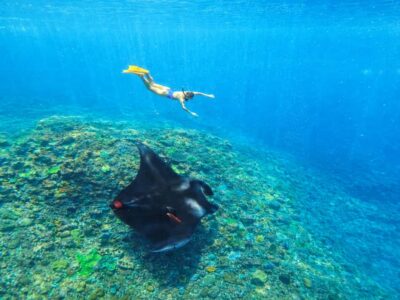
Nusa Penida by Private Boat – Snorkeling 4 spots, Swim with Mantas + Land Tour
Read our review →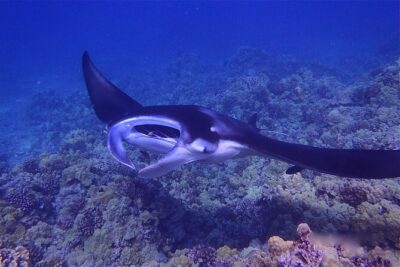
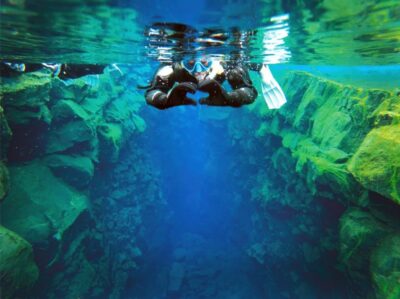
Silfra: Snorkeling Between Tectonic Plates – Meet on Location
Read our review →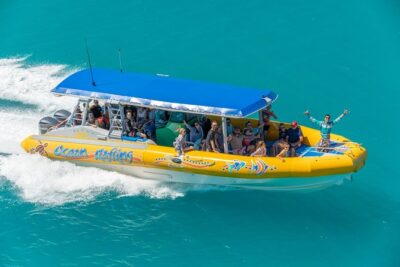
Ocean Rafting: Whitehaven Beach, Snorkelling & Hill Inlet Lookout
Read our review →
Gran Canaria: Catamaran Dolphin Watch Cruise with Snorkeling
Read our review →