
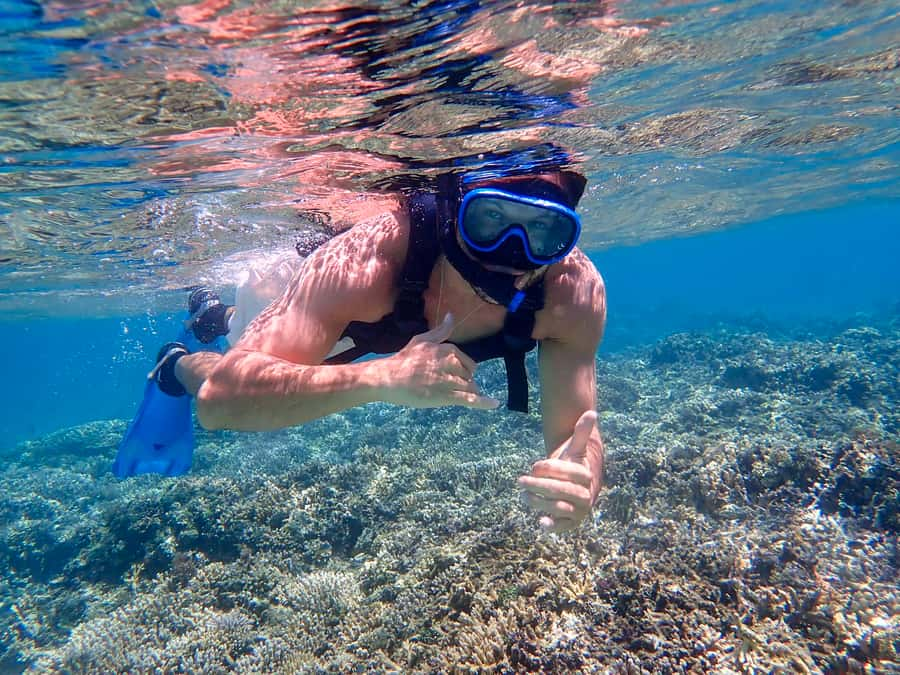
Review · JAPAN
Iriomote Mangrove SUP and Snorkeling at Coral island
Iriomote is the wildest-feeling island in Japan, with about 90 percent of its land still untouched. This six-hour outing gives you two very different ways to see it: snorkel the coral sea and paddle quietly through a mangrove river where plants, wildlife, and a waterfall share the scene.
I like the friendly English-speaking guides, including Yuma, and the fact that the tour supplies the gear, photos, shower, and optional Uehara-area transfers. I also like the simple split between ocean and river. The main drawback is that the required life jacket stays on even while snorkeling, and the reefs may show dead coral. That can make swimming awkward and reduce the underwater experience for confident snorkelers.
Key points to know before booking
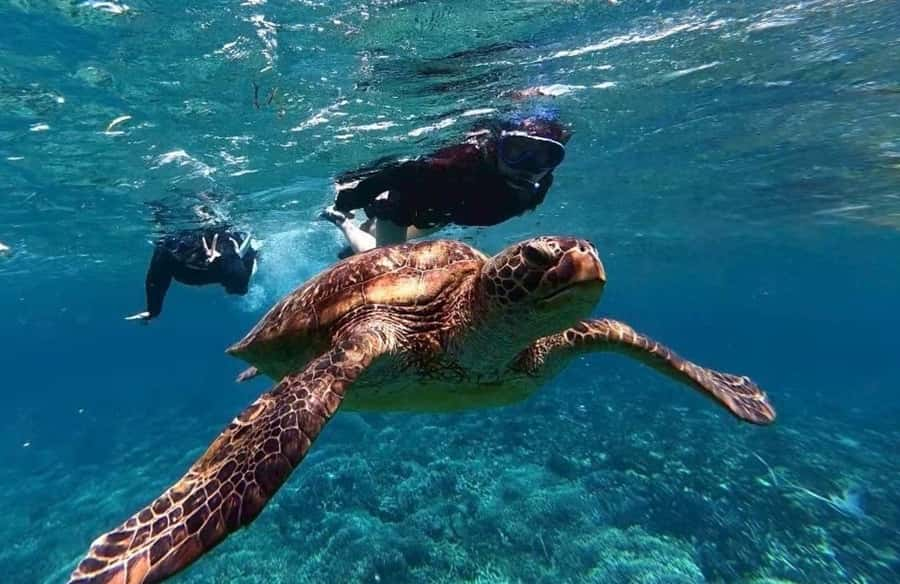
- Two ecosystems in one day: Spend about an hour snorkeling, then around 90 minutes canoeing or stand-up paddling through mangroves.
- The water portion depends on conditions: The order can change with tide and weather, and snorkeling may be canceled if waves are too high.
- Life jackets are mandatory: You must wear one in both the river and sea, along with fins and a mask during water activities.
- Yuma is one guide to look for: Past outings have praised Yuma’s English, patience, and clear answers to questions.
- The price includes useful extras: Equipment, photos, shower, liability insurance, and Uehara-area pickup if you select that option.
- Plan around Uehara Port: Ferry tickets from Ishigaki, meals, drinks, swimwear, and towels cost extra or are your responsibility.
Why Iriomote makes this a special day out
Iriomote is not a polished resort island. Its appeal is the feeling of being somewhere largely governed by rivers, mangroves, forest, tide, and weather. This tour does not attempt to show you the whole island. Instead, it puts you in two of its most accessible natural settings.
That distinction matters. If you want a broad sightseeing tour with villages, roads, and many famous viewpoints, this is not the right choice. You will spend most of the day close to the water. If you want a guided introduction to Iriomote’s coastal and river environments, the format makes sense.
Your guide may explain the Yaeyama firefly, a local natural feature of the island group, while also handling safety and the day’s timing. The tour is offered in English or Japanese, although the language can depend on the reservation situation. If detailed English instruction is important to you, confirm it before booking.
The group experience can vary by activity. The mangrove paddle has operated in a small group, while the snorkeling section can be larger. That means the river portion may feel calmer and more personal, while the sea portion may involve more waiting and coordination.
More Snorkeling and Kayaking Trips in Japan
- Iriomote Island 1-Day Snorkeling & Mangrove SUP or Canoe
★ 5.0 · 119 reviews - Okinawa Ishigaki Kabira Bay SUP or Canoe and Blue Cave Snorkeling
★ 5.0 · 94 reviews - Okinawa Miyakojima 1 day Sea Turtle Snorkeling & Pumpkin Cave & Sea Kayak
★ 5.0 · 92 reviews
Uehara Port to the reef by speedboat
The meeting point is Uehara Port, the practical launch point for the day. If you are staying in the Uehara area, hotel pickup and return are available when that option is selected. Hotels outside the pickup zone, including Jungle Hotel Painumaya and Eco Village Latida Iriomote, require you to reach the port by bus or taxi.
From the port, the speedboat ride takes about 10 minutes each way for the snorkeling portion. The total boat time is listed as roughly 30 minutes, so bring motion sickness medicine if boat travel troubles you. This is worth taking seriously. A short transfer can feel much longer when the sea is choppy and you are already preparing for an active morning.
The guide decides the order of the activities after checking the conditions. You may snorkel first and paddle later, as the usual schedule suggests, but tide, wind, and weather can change the plan. I like this flexible approach because it puts safety ahead of sticking to a printed timetable.
The tradeoff is that you should not build a tightly timed afternoon around the advertised finish. Meeting and return times can shift by season and weather. Keep your plans after the tour loose.
One hour among fish and coral
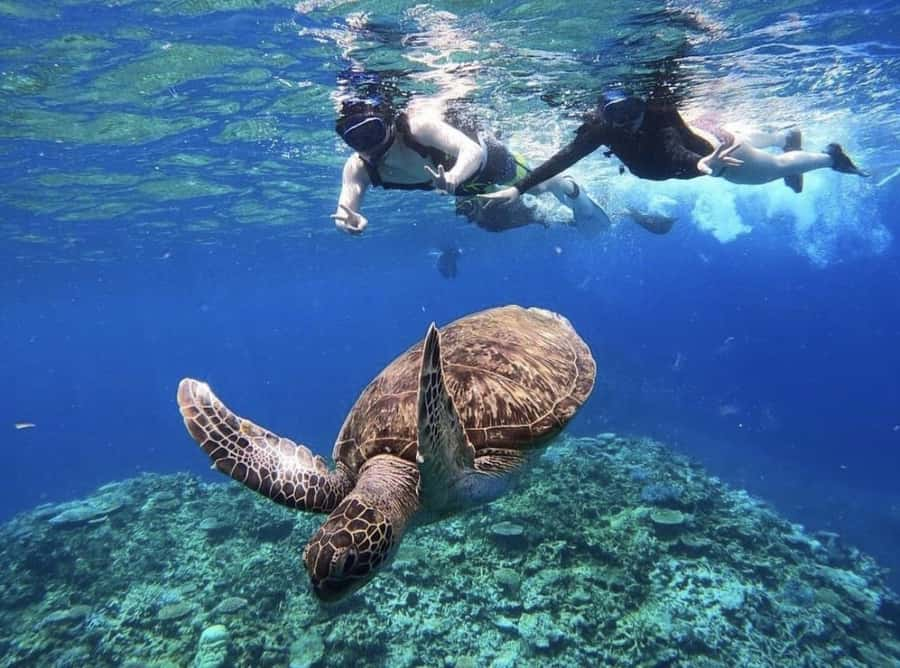
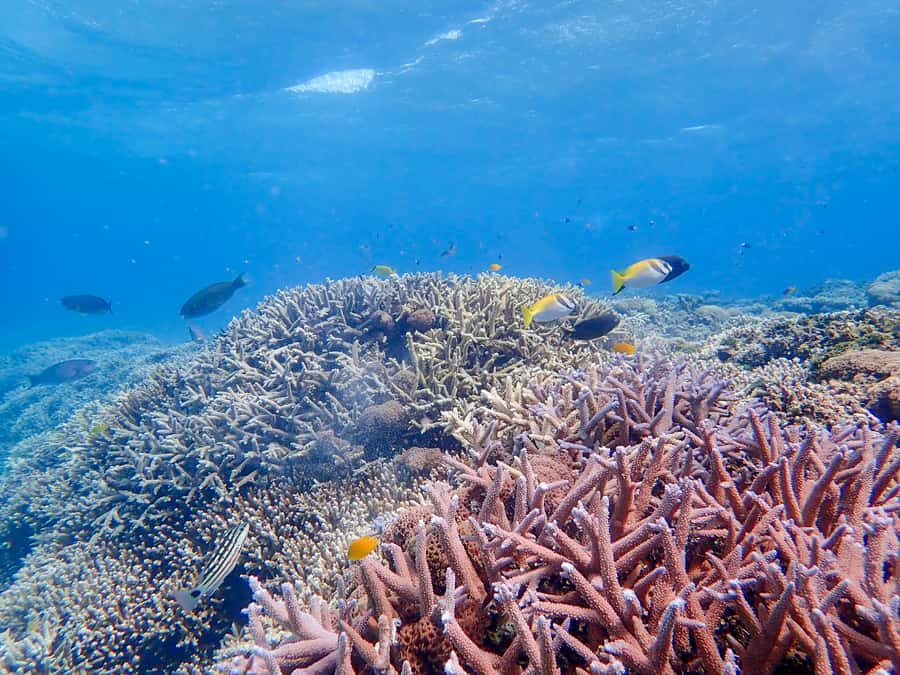
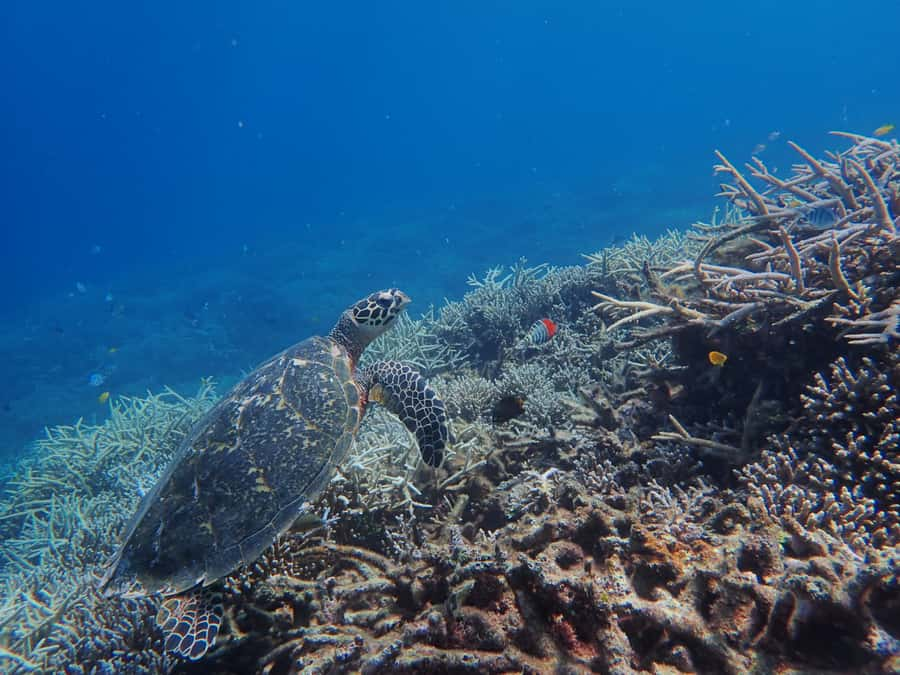
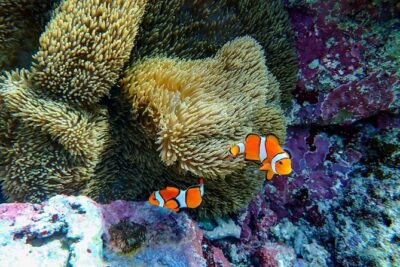
The snorkeling section lasts about an hour. In clear water, you can expect colorful fish and coral, with the possibility of seeing sea turtles. The exact wildlife is never guaranteed, and water visibility depends on local conditions.
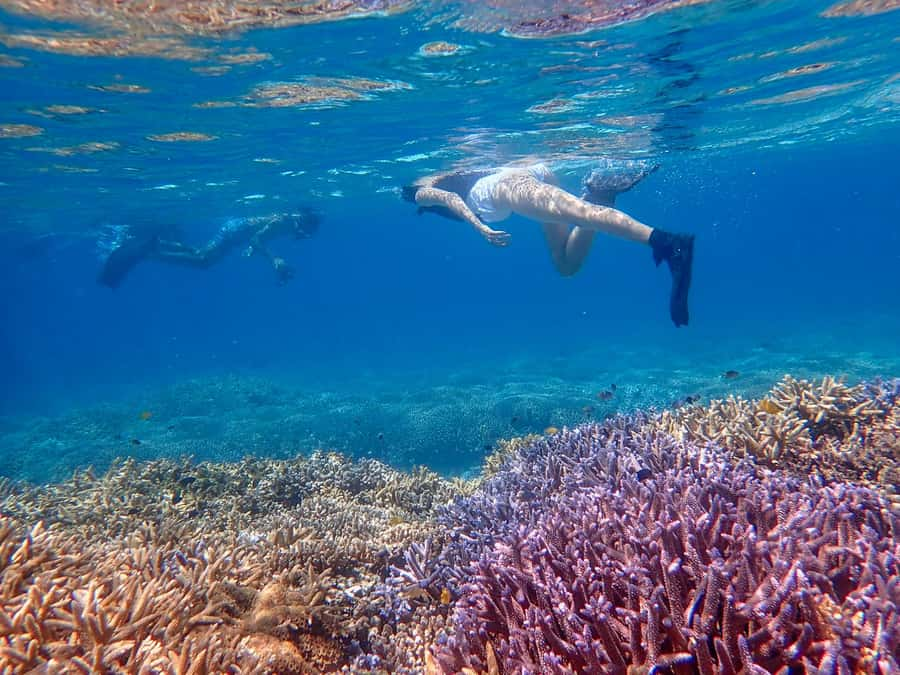
You must wear a life jacket, fins, and a snorkel mask. The life jacket remains mandatory even in the sea, which is an important point for your decision. It supports safety, especially for people who are not strong swimmers, but it can make swimming less comfortable and prevents the easy underwater movement some experienced snorkelers prefer.
You should also set your expectations about the reef. One account described dead coral on a substantial part of the reef. That does not mean the entire site is lifeless, but it does mean this is not a guaranteed picture-perfect coral garden. Conditions, recent weather, and the exact snorkeling site all affect what you see.
I would choose this portion for accessible sea time and the chance to see local marine life, not for serious freediving or close study of coral. Since removing the life jacket can lead to refusal of participation, do not book this outing if you strongly dislike flotation equipment.
The snorkeling group may be larger than the mangrove group. Guides still need to keep everyone together, explain the equipment, and monitor the water. For some people, that structure is reassuring. For others, it can mean more pauses and less freedom to move at their own pace.
The long break and what to bring
The schedule includes about an hour of break time between major portions, plus another short 15-minute break. That is useful after snorkeling, especially if you need to change, eat, or warm up. It can also feel long if you would rather spend more time on the water.
Food and drinks are not included. Bring your own drinks, and plan food carefully around the port and your accommodation. There are no restrooms near the meeting point, so use one before you arrive.
Wear your swimsuit under practical clothing. Bring a towel, though one is not supplied, and tell the operator your shoe size when booking. Leave jewelry at home, and do not bring jeans, high heels, oversized luggage, pets, alcohol, or drugs.
A shower is included after the activities, which is a useful detail when you still have a ferry, bus, or hotel check-in ahead. Photos are also included, so you can keep your phone tucked away during the wet portions.
More Reef Snorkeling in Japan:
- Viator Exclusive: Tulum Ruins, Reef Snorkeling, Cenote and Caves
★ 5.0 · 4,242 reviews - Great Barrier Reef Snorkeling and Diving Cruise from Cairns
★ 4.5 · 3,714 reviews - Reef Snorkeling & Jungle Speedboat Adventure with Mayan Ceremony
★ 5.0 · 2,208 reviews - Ocean Freedom Great Barrier Reef Luxury Snorkel and Dive Cruise
★ 5.0 · 1,895 reviews
Paddling through Iriomote’s mangroves
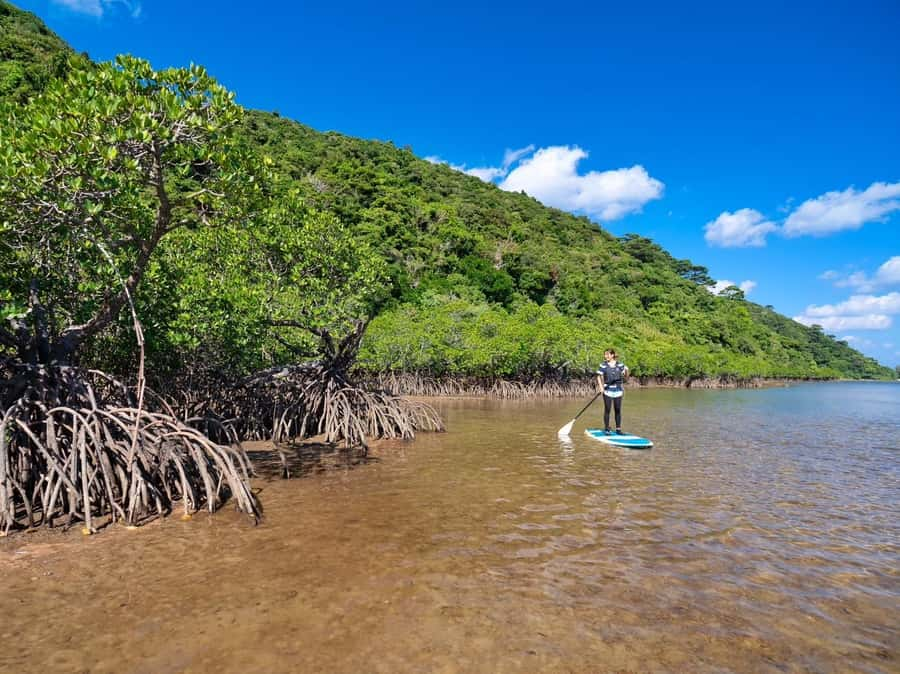
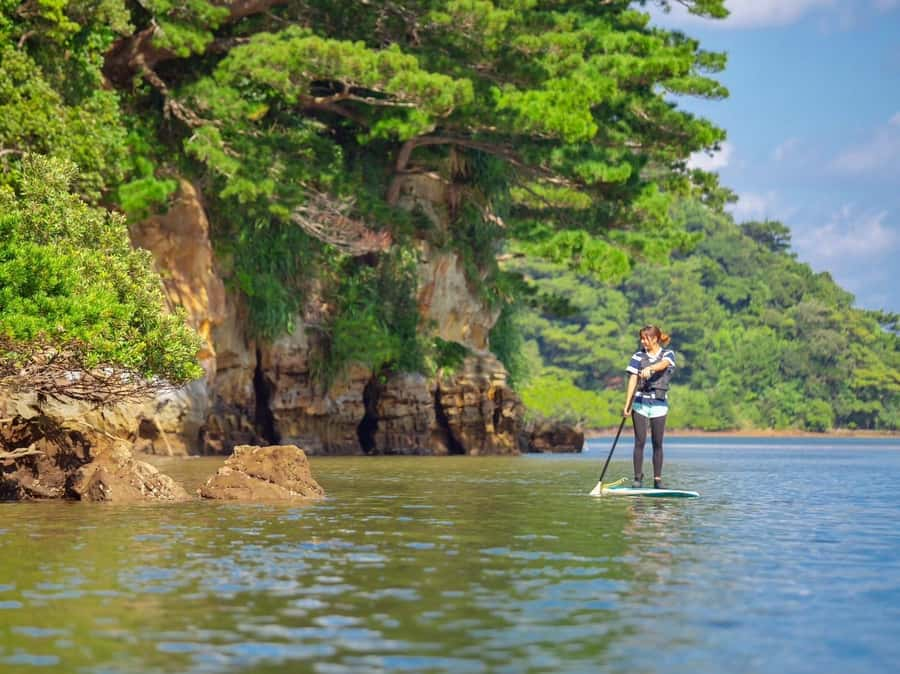
The river portion lasts about 90 minutes and may use a canoe, a stand-up paddleboard, or both. You will move through mangrove growth and may see a waterfall, plants, and wildlife along the river. This is the quieter half of the day, with less emphasis on open water and more on the shape and texture of Iriomote’s inland waterways.
Stand-up paddling sounds demanding, but you are not required to race or cover a large distance. The guide sets the pace and may stop for photographs or to keep the group together. That can make the outing suitable for beginners who want to try SUP with instruction nearby.
Still, the distance covered may be modest. One reduced kayaking outing covered roughly 800 meters from the Urauchi Bridge and back, with time spent on transfers, instruction, photographs, and waiting for slower participants. That was a weather-adjusted version rather than the standard combined tour, but it gives you a useful warning: the stated activity time is not the same as nonstop paddling.
You are paying for guidance, access, equipment, safety, and a chance to notice the river environment. You are not paying for an athletic workout or a long expedition. If you want several hours of continuous paddling, seek a dedicated kayak or SUP trip instead.
The guide also helps you understand what you are seeing. Mangrove roots, tidal water, and river plants can look simple at first glance. A guide’s explanation gives the outing more meaning than simply renting a board and moving upstream on your own.
What the $96 price really covers
At $96 per person, the cost is reasonable if you value a full day of logistics and do not already have your own gear. The fee includes the main equipment, life jacket, mask, fins, paddle equipment, liability insurance, photos, and a shower. Uehara-area hotel pickup and drop-off are included only if you choose that option.
The price does not include the ferry from Ishigaki, food, drinks, swimwear, or a towel. The ferry cost is especially important. If you are staying on Ishigaki, your total day expense will be noticeably higher, and a weather cancellation of the snorkeling section can make the value feel poor if you have traveled over mainly for the sea portion.
A cancellation caused by conditions can also change the experience. One outing lost its snorkeling section because of high waves, even though the following day appeared sunny from shore. The group could choose extra sightseeing, kayaking only, or a full cancellation. This is a sensible safety policy, but the result was less than an hour on the water for the kayaking-only option.
I would book this at $96 when you want both river and ocean activities, need equipment, and have enough time on Iriomote to accept weather changes. I would hesitate if snorkeling is the single reason you are making the trip from Ishigaki.
Guides, group size, and safety rules
The strongest personal element is the guide. Yuma has led outings in English, answered questions clearly, and received particularly warm comments for making the day enjoyable. Other guides have also been described as helpful and friendly, with good English on some departures.
Do not assume every departure will operate in English. The activity is listed in English and Japanese, but the operator may run a tour in Japanese only depending on bookings. Contact the provider ahead of time if language support affects your comfort.
The safety rules are firm:
- Wear a life jacket throughout the tour.
- Use fins and a snorkel mask during the sea and river activities when instructed.
- Follow the guide’s directions.
- Do not touch animals.
- Tell the operator in advance if you are not confident in your physical strength or have a strong fear of the ocean.
The stated age information is inconsistent. One part gives an age range of 12 to 59, while another says the target range is 6 to 59. It also says children under 6 cannot participate, and people over 60 are not suitable. Because of that conflict, contact the provider before booking for a child, rather than relying on the lower age shown online.
Pregnant people, those with heart problems or chronic illness, people over 100 kilograms, and people prone to motion sickness are listed as unsuitable. The operator also says to raise health or fitness concerns in advance.
Weather, tides, and the possible miracle island
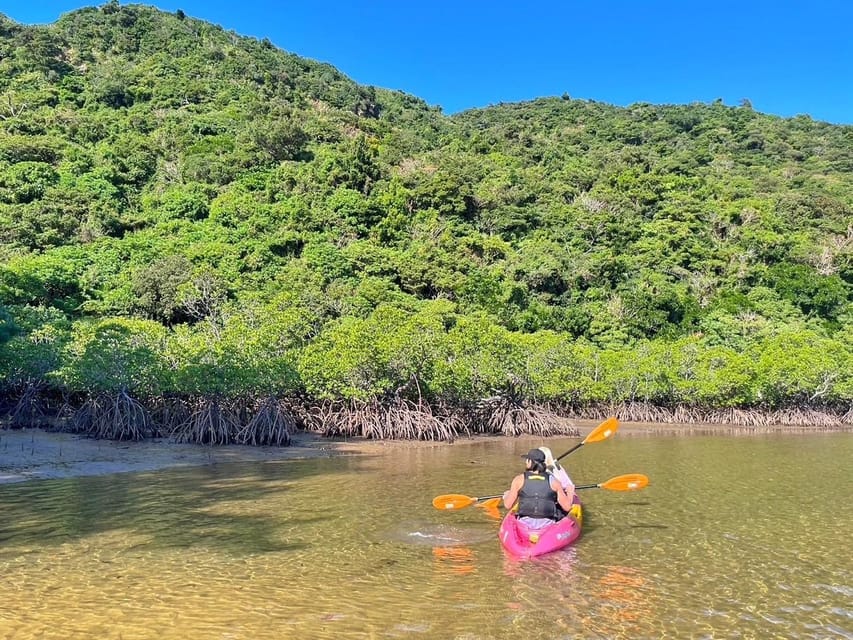
Iriomote’s weather controls the day more than a fixed schedule does. The tour generally runs in rain, but it can be canceled for local conditions. Snorkeling may be removed if waves are too high, and the order of activities can change with tide and weather.
At low tide, you may visit a place called the miracle island, which appears only when the tide falls. This is not guaranteed, but it adds a memorable tidal detail to the day. The guide will tell you the actual schedule when you meet.
The island’s wild character is part of the appeal and part of the uncertainty. You do not get a controlled pool, a guaranteed animal sighting, or a fixed view. You get a nature outing shaped by water conditions. Bring a flexible attitude, and the day has a better chance of feeling rewarding.
Who should book this Iriomote tour?
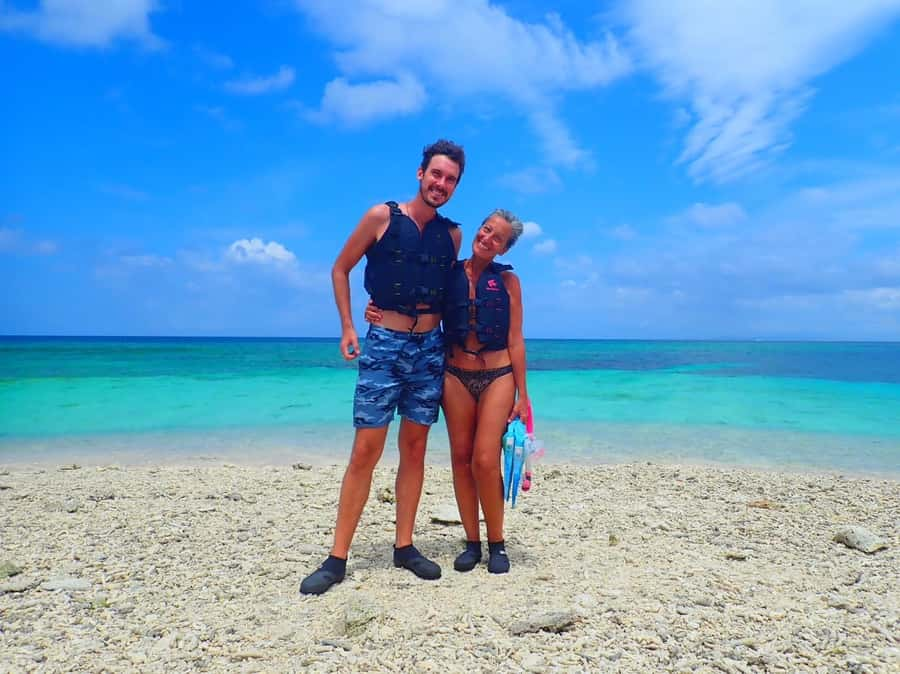
I recommend it for active adults and older children who want a guided introduction to Iriomote’s water environments. It suits you especially well if you appreciate having transport, equipment, safety support, and photos arranged in one booking.
It is also a good fit for first-time paddleboarders. The guide can manage the route, explain the basics, and keep the group moving together. You do not need to plan separate snorkeling and mangrove activities.
I would choose another option if you are a strong snorkeler who wants to swim freely, remove the flotation vest, or spend most of the day underwater. I would also think twice if you have only one day on Ishigaki and must pay for a ferry before reaching Iriomote.
Should you book it?
Book this tour if your priority is variety: one hour of marine life, a guided mangrove paddle, local nature information, and simple equipment arrangements. The friendly guides, including Yuma, add real value, and the included shower and photos make the day easier.
Skip it if you want a long, hard paddle, a small snorkeling group, or guaranteed pristine coral. At $96 before food and ferry costs, it works best as a balanced first look at Iriomote, not as a specialist snorkeling expedition. Check the age rules, confirm the tour language, bring motion sickness medicine if needed, and leave your schedule open for the weather.
FAQ
Where does the tour start?
The meeting point is Uehara Port on Iriomote Island. Pickup and drop-off are available for hotels in the Uehara area if you select that option.
How long does the tour last?
The tour lasts about six hours. Meeting and finishing times can change with the season and weather.
Is transportation from Ishigaki Island included?
No. Ferry tickets from Ishigaki Island are not included. You must arrange and pay for that transport separately.
What activities are included?
The day includes snorkeling, canoeing or stand-up paddleboarding through mangroves, speedboat transfers, breaks, and a shower. You may also visit the low-tide miracle island if conditions allow.
Is snorkeling always guaranteed?
No. The snorkeling section can be canceled or changed because of waves, weather, or local sea conditions. The guide will explain the schedule when you meet.
What do I need to bring?
Bring swimwear, a towel, and drinks. Use the restroom before arriving because there are no restrooms nearby. Tell the operator your shoe size when booking.
Who cannot take part?
Pregnant women, people with heart problems or chronic illnesses, people over 60, people over 100 kilograms, and people with motion sickness are listed as unsuitable. The age information conflicts between 6 and 12 as the lower limit, so confirm eligibility with the provider before booking for a child.
New snorkel trips around Japan
- Okinawa:Naha:Kerama Island Experience 1Dive and Snorkeling★ 4.4 · 99 reviews
- Okinawa : Kerama Whole Day Snorkeling Tour From Chatan/Naha★ 4.5 · 93 reviews
- Okinawa: From Naha: Kerama Islands 1-day snorkeling tour★ 4.4 · 423 reviews
- Okinawa: Blue Cave Private Snorkeling Tour with Guide★ 4.8 · 40 reviews
- Naha, Okinawa: Keramas Island Snorkeling Day Trip with Lunch★ 4.7 · 370 reviews
- Miyako Island: SUP or Canoeing and Snorkeling Experience★ 4.9 · 11 reviews
- Miyako island: Pumpkin Limestone Caving & Snorkeling★ 4.6 · 13 reviews
- Kerama Half-Day Snorkeling Tour★ 3.8 · 44 reviews
Japan Snorkeling Tours, side by side.
Okinawa: From Naha: Kerama Islands 1-day snorkeling tour
Read our review →
Naha, Okinawa: Keramas Island Snorkeling Day Trip with Lunch
Read our review →
Ishigaki Island: Blue Cave Exploration & Snorkeling Tour
Read our review →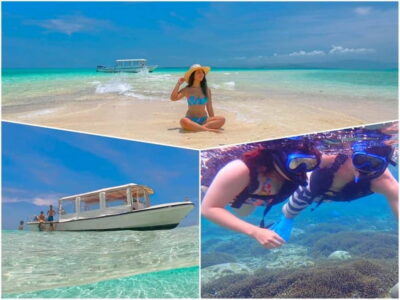
Ishigaki Island: Boat Snorkeling Tour at Phantom Island
Read our review →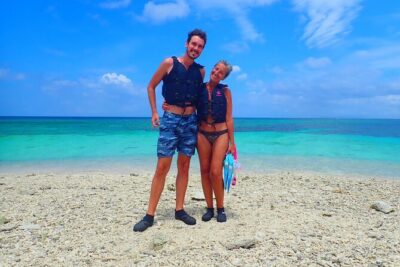
Iriomote Island 1-Day Snorkeling & Mangrove SUP or Canoe
Read our review →Lists this trip appears on