Review · CANCUN
Isla Mujeres: Snorkel Tour at Musa and Manchones Reef
MUSA, the underwater museum off Isla Mujeres, gives this snorkel trip its unusual twist. Instead of only looking at fish and coral, you glide above a carefully arranged collection of human figures and scenes on the seafloor, with Manchones Reef adding the natural side of the show. I especially like the clear water and modest 8.5-meter maximum depth, plus the patient guides who help first-timers find their confidence.
I also like the practical touches: equipment, fruit, cookies, and water are included, and guides such as Lalo, David, Tito, Navi, and Kelo have a strong record of helping nervous swimmers. The main catch is the sea itself. Wind and waves can make the statues harder to see, and some people find the water too rough, so bring cash for the extra $15 National Park and dock fee and keep your expectations weather-aware.
Key points to know before booking
- MUSA adds an underwater art gallery: You see statues and arranged scenes rather than only reef life.
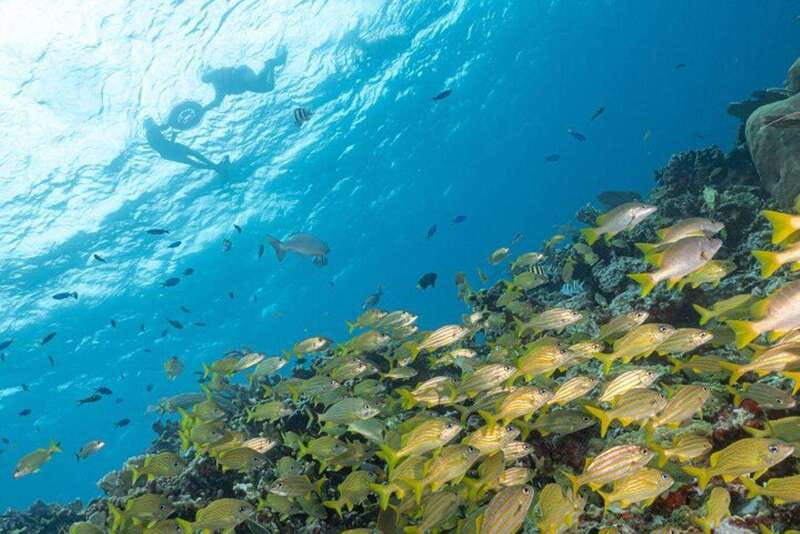
- Manchones brings the wildlife: Expect colorful fish, corals, stingrays, barracudas, and possible sea turtles.
- First-timers receive real support: Guides can stay close, use a float, and let you set the pace.
- The water is usually well suited to snorkeling: Visibility is described as excellent, with little current and a maximum depth of 8.5 meters.
- Rough weather can change the experience: Wind and waves may make MUSA difficult to view and can bother people prone to seasickness.
- Budget $65 per person in total: The tour costs $50, then add the $15 cash park and dock fee.
Why MUSA makes this more than a standard reef trip
Many snorkeling outings are about spotting wildlife, then moving on. This one begins with a man-made underwater gallery. MUSA, the Museo Subacuático de Arte, places sculptures on the seafloor, so your view changes every few meters as you swim above the figures.
The statues are the main reason to choose this particular outing. You may see groups of human forms and other arranged scenes resting below the surface, with fish moving through and around them. The result is part art exhibit and part marine habitat. It feels different from a simple swim over a sandy bottom.
The stated maximum depth is 8.5 meters, or about 28 feet. That is within reach for a confident snorkeler, but it is not shallow enough for every statue to appear close and crisp from the surface. One useful expectation comes from the water conditions: when visibility is excellent, the museum can look impressive, but waves can make it harder to hold a steady position and study details.
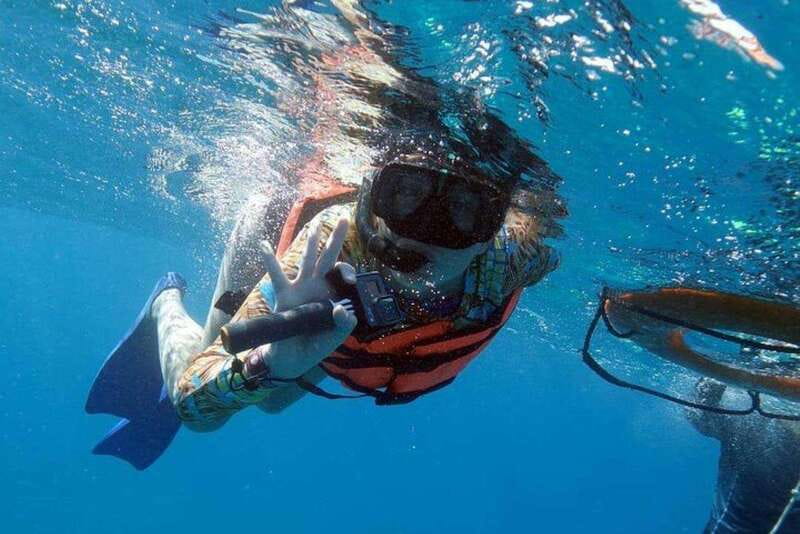
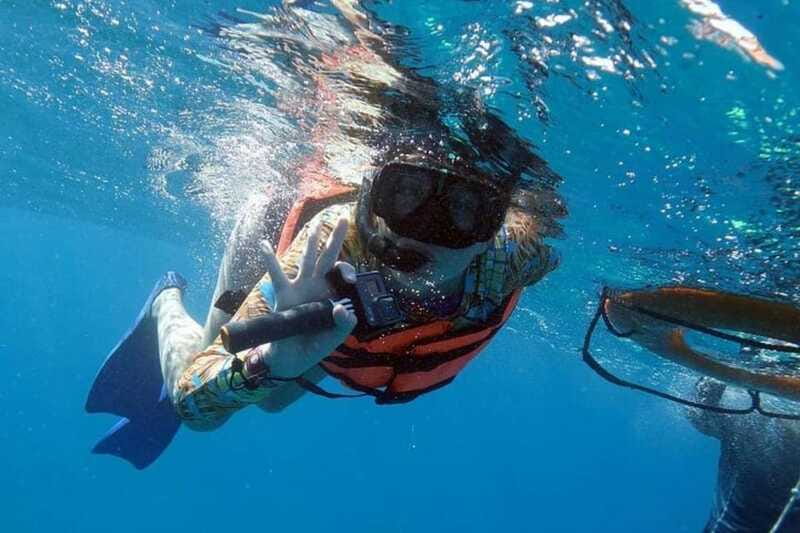
You also wear a life vest. That is required by local government rules, not a choice made by Pocna Dive Center. The vest supports safety, but it can limit your ability to duck down for a closer look. If you are hoping to free-dive beneath each statue, this is not the right setup.
More Reef Snorkeling in Cancun
- Viator Exclusive: Tulum Ruins, Reef Snorkeling, Cenote and Caves
★ 5.0 · 4,242 reviews - Reef Snorkeling & Jungle Speedboat Adventure with Mayan Ceremony
★ 5.0 · 2,208 reviews - Reef Snorkeling in National Park from Cancun with Beachside Lunch
★ 4.5 · 1,781 reviews
The four-hour route from museum to reef
The full outing lasts four hours, including the boat ride, time at the two water sites, and a short refreshment break. The exact starting time depends on availability, so check the schedule before you plan the rest of your day.
At MUSA, the guide’s job matters. A good guide does more than point toward a statue. Lalo has been praised for swimming down to indicate sculptures and fish, while other guides have helped keep the group together and watched for anyone who needs assistance. David, Tito, Kelo, Salvador, Lidia, Bruno, and Navi are among the guides named by customers, although your guide will depend on the day.
Expect the guide to point out scenes below you, then direct your attention toward fish or other marine life nearby. This helps you get more from the museum than you would by simply looking down and swimming past. It is worth staying near the guide, especially if visibility or waves make the sculptures difficult to locate.
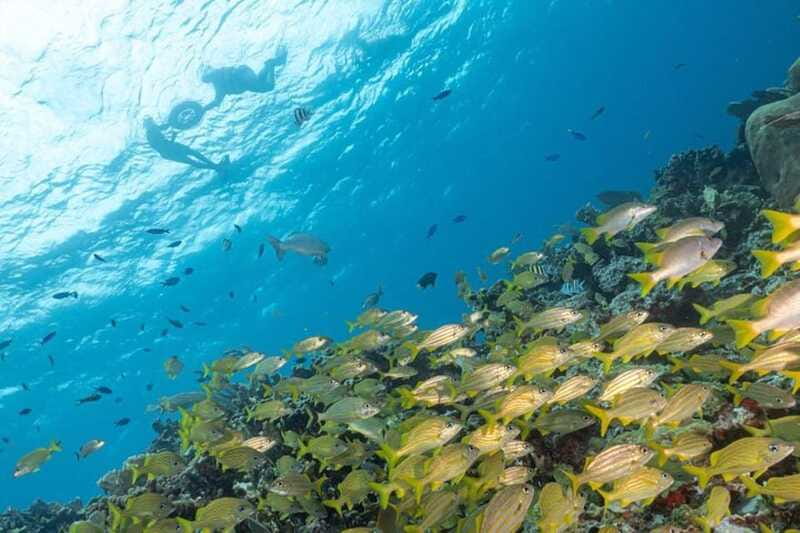
The second main stop is Manchones Natural Reef. Here, the emphasis shifts from sculpture to living habitat. You may see schools of fish, parrotfish, triggerfish, barracudas, rays, turtles, and corals. Some outings have included several turtles and many stingrays, but wildlife is never guaranteed, so treat those sightings as a welcome possibility rather than a promise.
The reef also gives the guide room to adjust the route. On a windy day, one group was taken to a different location farther away when MUSA was hard to see, where it found plenty of fish instead. That flexibility can protect the quality of the outing, though it also means the exact experience may change with the weather.
How the water feels for beginners
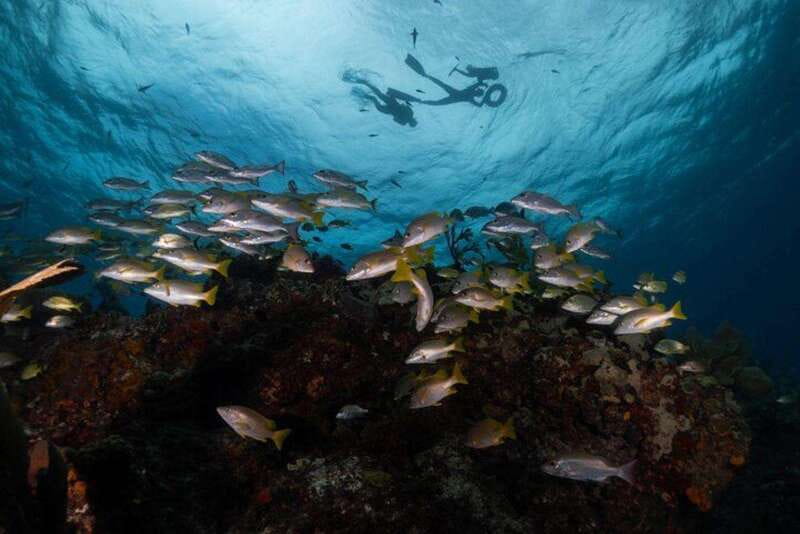
The advertised conditions are appealing: turquoise water, good visibility, minimal currents, and a maximum depth of 8.5 meters. Those details make the trip approachable for someone who has never snorkeled, at least on a calm day.
The strongest praise for this trip centers on the guides’ patience. Lidia helped a first-time snorkeler understand what to do, while Kelo and Salvador reassured a nervous participant before entering the water. A float can be used with a guide if you are not yet comfortable swimming independently.
That support is valuable because confidence often matters more than skill. If you can float, breathe calmly through a snorkel, and follow instructions, you may find that the first few minutes are enough to settle your nerves. You can then focus on the fish and statues instead of worrying about every movement.
Still, do not read beginner-friendly as perfectly calm. One person found the water too wavy for comfortable snorkeling, and another experienced seasickness in rough conditions. The guides can offer a life ring or float and keep an eye on you, but they cannot flatten the sea.
If you are uneasy in open water, tell the guide before entering. Stay close, use the float, and do not feel pressured to swim at the front of the group. The most useful guide behavior described here is not speed or technical instruction. It is keeping the group together and allowing people to proceed at their own pace.
What you can see beneath the surface
MUSA supplies the memorable photographs and talking point. Manchones supplies the natural encounters. Together, the stops give you two different reasons to look down.
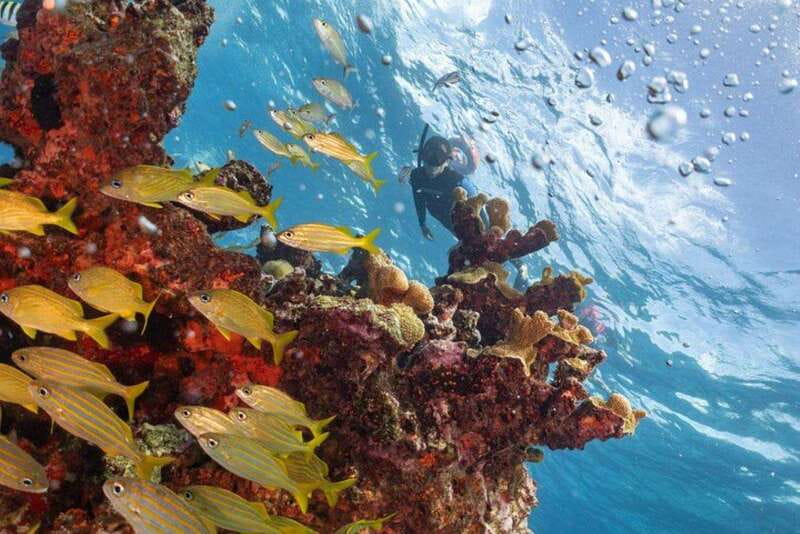
At the museum, watch for the way marine life interacts with the sculptures. Fish may pass between the figures or hover above them, while coral growth gradually changes the appearance of the works. The arrangement is intended to create a scene every few meters, so the experience is more varied than one large object viewed from a distance.
At the reef, look for movement in several places. Fish may gather around coral, rays may rest or pass along the bottom, and turtles may appear in the wider reef area. Guides who know the site can improve your chances by directing your attention to animals that are easy to miss.
Reported sightings have included colorful fish, parrotfish, triggerfish, barracudas, stingrays, and sea turtles. One outing included a shark as well. That does not mean each group sees every animal, but it does show the range of marine life present in the area.
Please keep your hands off the statues, coral, and animals. The $15 park and dock fee supports protection of the marine environment and the reef ecosystem, and careful behavior is part of that effort. The best approach is to move slowly, avoid kicking the bottom, and let the guide show you where to look.
More Reef Snorkeling in Mexico
- 5-in-1 Cancun Snorkeling: Turtles, Reef, Musa, Shipwreck, Cenote
★ 4.5 · 1,678 reviews - Cozumel Snorkeling Tour: Palancar, Columbia and El Cielo Reefs
★ 4.5 · 1,462 reviews - From Cozumel: 3 Reefs Boat Tour with Drinks and Snorkeling
★ 4.3 · 1,080 reviews - 2-Hour Snorkeling in Two Spots of Tulum’s Reef
★ 4.5 · 303 reviews
Guides make the biggest difference
Pocna Dive Center runs the activity with Spanish and English-speaking guides. The named guides receive consistent praise for being attentive, calm, and encouraging, particularly with beginners.
Lalo appears repeatedly as a strong guide for this outing. He has helped guests spot statues, fish, and turtles, checked that people stayed nearby, and provided extra support when the water became difficult. Other guides, including Bruno, Navi, Lidia, Kelo, Salvador, David, and Tito, have also been described as patient and easy to follow.
The crew’s care extends beyond the water. Danny, the captain, helped one older participant enter and leave the sea when waves were strong. That kind of assistance matters because getting on and off a boat can be more awkward than floating once you are in the water.
The best guides also respect the reef. They point out animals without encouraging people to chase or touch them, and they give you enough time to look rather than rushing from one sight to the next. That combination of safety and restraint is important in a protected marine area.
Guide assignments can change, so you should not book with the expectation of one specific person. Instead, use the named staff as evidence of the center’s approach: bilingual instruction, close attention, and support for mixed ability levels.
Equipment, snacks, and the extra cash you need
Snorkeling equipment is included, which makes the $50 price easier to assess. You do not need to arrange a separate mask, snorkel, or similar basic gear for this activity.
Equipment quality has received positive marks, though fit is personal. A mask that seals well can make the difference between an enjoyable outing and constant fiddling. Tell the guide at once if the mask leaks or the snorkel feels uncomfortable, rather than trying to tolerate it for four hours.
Cookies, fruit, and water are also provided. The break is simple, not a full meal, but it gives you something to eat and drink between water sessions. Watermelon and other fruit can be especially welcome after time in salt water and sun.
Bring cash. The National Park and dock fees cost $15 per person and are paid on-site. This amount is not part of the advertised $50 tour price, so the realistic minimum is $65 per person before any other personal spending.
At $65 total, the value is solid if you want both the museum and a natural reef in one half-day outing. You receive equipment, guiding in English or Spanish, refreshments, and access to two distinct sites. The price is less compelling if your main aim is a very shallow swim or a long, quiet look at each sculpture, since depth, life vests, and weather can limit that.
Wind and waves are the main variables
The most important practical warning is not about the boat or the food. It is the weather.
Calm conditions can give you clear views of MUSA and comfortable time at the reef. Strong wind can stir the water, create waves, and make it harder to keep your face pointed toward the statues. Rough seas may also cause seasickness or make it hard for a new snorkeler to relax.
One outing had to shift away from the planned museum area because the wind made the sculptures difficult to see. The alternate site still offered plenty of fish, which shows good judgment by the crew, but it also means you should not treat every stop as fixed in exactly the same form.
If you have flexible plans, avoid putting an important afternoon appointment immediately after the tour. The scheduled duration is four hours, but sea conditions can affect how comfortable and predictable the outing feels.
The free cancellation policy allows you to cancel up to 24 hours ahead for a full refund. You can also reserve now and pay later. Those options are useful if you are watching the forecast, though you should check the exact available start time before booking.
Who will enjoy this Isla Mujeres outing
I would recommend this trip to a first-time snorkeler who wants strong guidance without giving up the chance to see real marine life. The float option, bilingual staff, and close supervision can make the first experience much less intimidating.
It also suits an experienced snorkeler who likes variety. MUSA gives you something unusual to photograph and discuss, while Manchones offers the chance to spot turtles, rays, fish, and coral in a natural setting.
Families and mixed-skill groups may appreciate the flexible support, but anyone with a mobility impairment should note that the activity is not suitable. The tour involves getting into the sea and moving through open water, so physical access is a genuine consideration.
You should also think twice if your priority is free swimming beneath the surface. The required life vest limits how far you can submerge, and the museum is deep enough that some details may look distant from above.
Should you book the Pocna Dive Center tour?
Book it if you want a well-supported half-day that combines unusual underwater art with reef wildlife. The strongest reasons are the attentive guides, good equipment, refreshments, and the chance to see animals such as turtles and stingrays in addition to MUSA’s statues.
Skip it if rough water quickly makes you uncomfortable, if you need a very shallow site, or if you are determined to free-dive beneath the sculptures. For everyone else, the $50 price plus the $15 cash fee is fair for a four-hour outing, provided you accept that weather controls how much of the underwater museum you can enjoy.
FAQ
How long is the Isla Mujeres snorkeling tour?
The tour lasts four hours, including visits to MUSA and Manchones Natural Reef, plus a refreshment break.
How much does the tour cost?
The tour costs $50 per person. You must also pay $15 per person in cash for National Park and dock fees, bringing the stated total to $65 per person.
Are snorkeling equipment and refreshments included?
Yes. Snorkeling equipment, cookies, fruit, and water are included.
What languages do the guides speak?
The live guides speak Spanish and English.
Is the tour suitable for beginners?
Yes. The water is described as clear, with minimal currents and a maximum depth of 8.5 meters. Guides can offer close support and a float for people who are still gaining confidence.
Can I see turtles and other marine animals?
You may see turtles, stingrays, colorful fish, corals, barracudas, parrotfish, and triggerfish. Wildlife sightings are not guaranteed.
Do I need to bring cash?
Yes. Bring cash to pay the $15 National Park and dock fees on-site.
Can I cancel the booking?
You can cancel up to 24 hours in advance for a full refund. The activity also offers a reserve-now, pay-later option.
New snorkel trips around Cancun
- Isla Mujeres: Snorkeling Adventure at the Underwater Museum★ 4.5 · 82 reviews
- Isla Mujeres Catamaran Tour with Snorkeling & Open bar★ 5.0 · 10 reviews
- Isla Mujeres: Catamaran Ride with Open Bar, Snorkeling, and Lunch★ 4.3 · 241 reviews
- Isla Mujeres Catamaran, Snorkel & Buffet Lunch★ 3.6 · 29 reviews
- Puerto Morelos: Snorkel, Town Walk, Tequila & Beach Lunch★ 4.3 · 180 reviews
- Cancun: Snorkeling Tour at MUSA The Underwater Museum★ 4.7 · 73 reviews
- Cancun: Jungle Tour Adventure with Speedboat and Snorkeling.★ 4.2 · 15 reviews
- Cancun: Snorkeling Boat Tour with Gear★ 4.5 · 31 reviews
Cancun Snorkeling Tours, side by side.
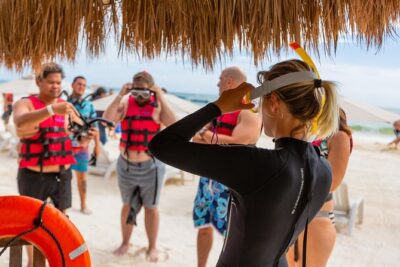
Viator Exclusive: Tulum Ruins, Reef Snorkeling, Cenote and Caves
Read our review →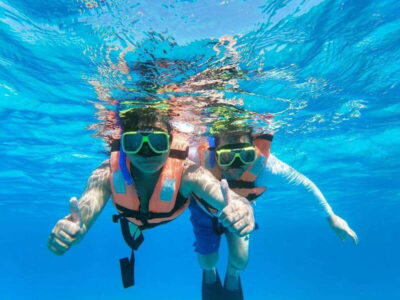
Isla Mujeres: Catamaran with Open Bar, Snorkeling and Lunch
Read our review →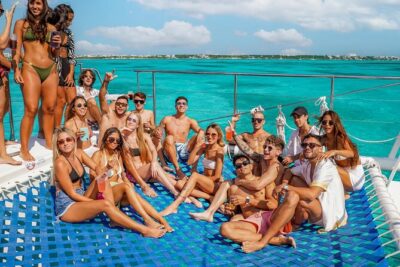
Isla Mujeres Cruise with Beach Club, Snorkel, Lunch and Open Bar
Read our review →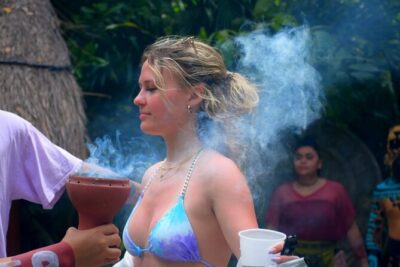
Reef Snorkeling & Jungle Speedboat Adventure with Mayan Ceremony
Read our review →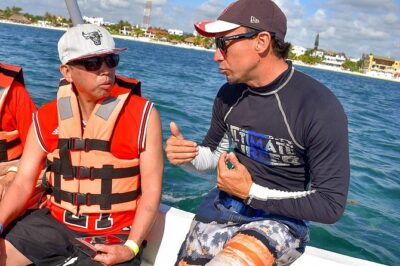
Reef Snorkeling in National Park from Cancun with Beachside Lunch
Read our review →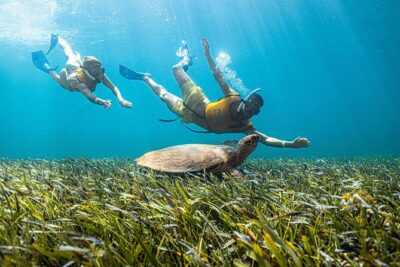
5-in-1 Cancun Snorkeling: Turtles, Reef, Musa, Shipwreck, Cenote
Read our review →
Cancun speedboat and snorkel tour: shared speedboat
Read our review →