
Review · GRAN CANARIA
Las Palmas: Coastering, Via Ferrata, Water Jumping & Snorkel
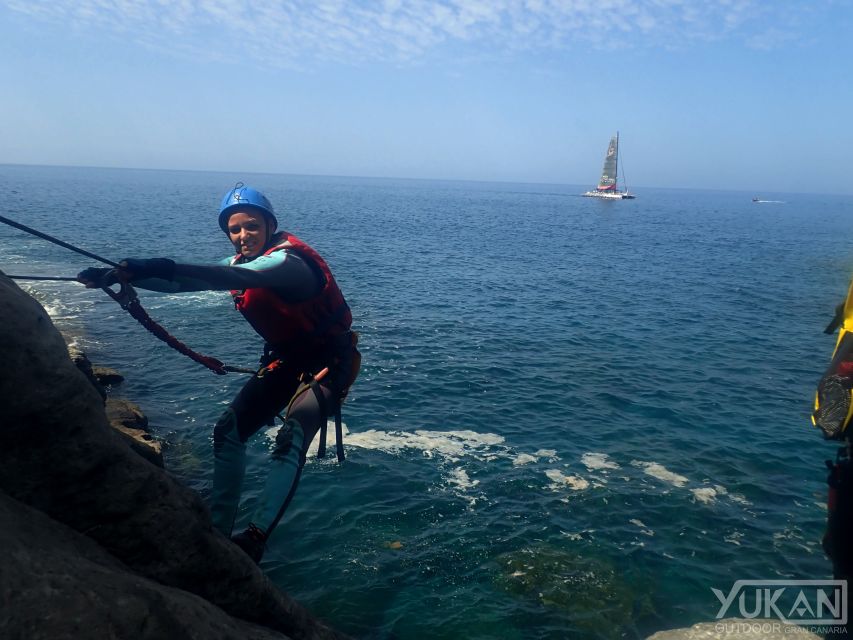
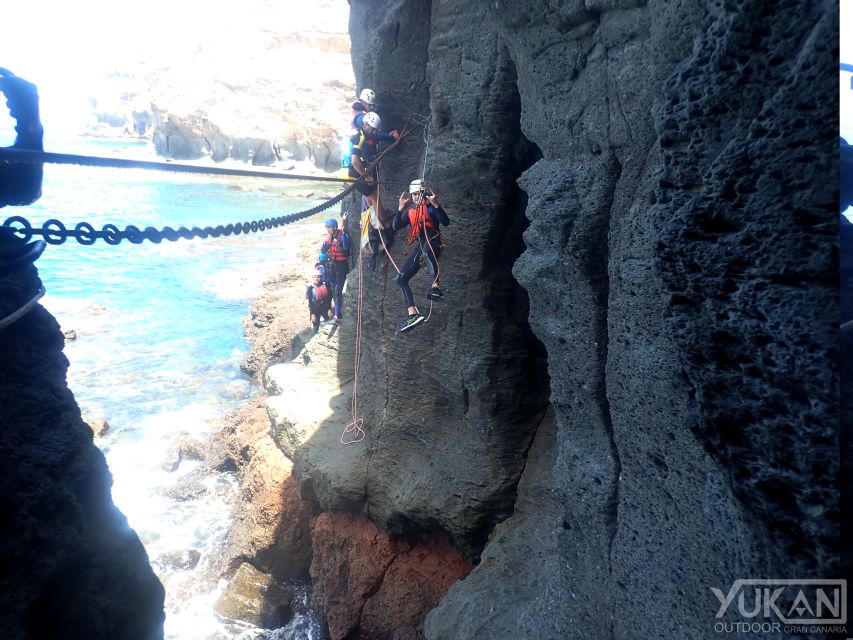
This is not a gentle seaside stroll. From Medio Almud Beach, you walk to the coast, then spend two to three hours moving through water and over volcanic rock with a harness, helmet, life jacket and neoprene. You may climb a via ferrata, cross a suspension bridge, rappel down a cliff, snorkel, swim, and jump into the sea. The best part is that you choose your level. Every activity can be skipped by walking or swimming around it.
I like the mix of cliff views and ocean action, since the route gives you a close look at the Mogán coast instead of keeping you on a marked path. I also like the small group limit of 10 people, plus guides such as Manuel and D, who are known for patient safety support. The main caution is simple: this is physically demanding, and sharp volcanic rock, heights, cold water, and wet shoes are all part of the deal.
Key points at a glance
- A real coastal route: Walk for about 20 minutes from the parking area before reaching the ocean section.
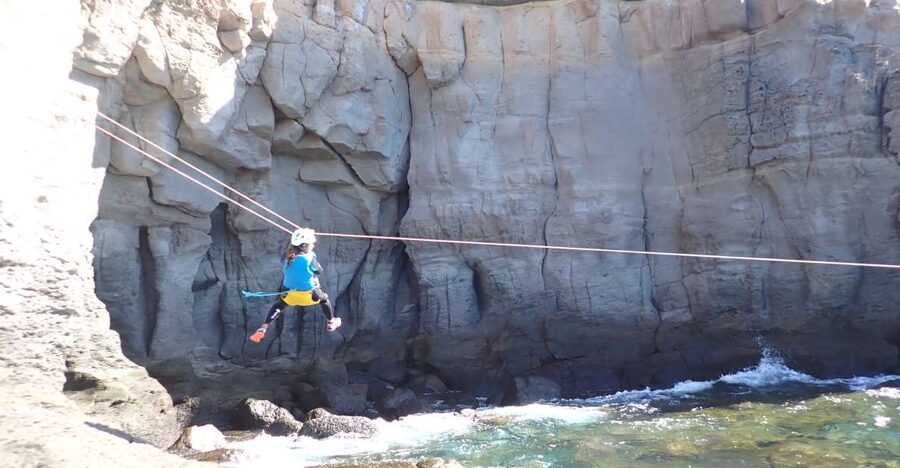
- Several activities in one outing: Try via ferrata, a suspension bridge, abseiling, snorkeling, swimming and optional jumps.
- No experience required: Guides give instructions and adapt the activities, but you need basic fitness and a reasonable comfort with heights and the sea.
- Small groups matter: The maximum group size is 10, giving the guide more time to check harnesses and help with tricky sections.
- Bring serious footwear: Closed-toe sport shoes or hiking boots are required, and they may get wet. One useful tip is to choose shoes with a strong grip.
- Good practical support: Harness, helmet, neoprene, life jacket, insurance, photos, a cereal bar and an isotonic drink are included.
Starting at Medio Almud Beach
You meet at Parking Playa Medio Almud, on GC-500 in Mogán. The guide wears a Yukan uniform, which makes the meeting point easier to spot. There is also a bus stop in the area, but no hotel pickup is included, so you need to arrange your own way to the beach parking.
The price is $82 per person. That is not a bargain beach outing, but it covers four hours, a guide, technical safety gear, insurance, photos, neoprene, a life jacket and a light snack with an isotonic drink. Compared with paying separately for several short activities, the price is reasonable if you want a full half-day of action rather than a single zip line or boat trip.
The meeting area itself is only the start. You leave the parking lot on foot and walk for about 20 minutes to reach the ocean section. This approach adds a little effort before the main event, so do not arrive expecting to step straight from your car into the water. It also means you should carry only what you need. A swimsuit, water, towel, sunscreen, shoes and dry clothing are enough.
More snorkeling tours around Spain:
- Tenerife: Kayak and Snorkel with Turtles, Wetsuits Included
★ 4.6 · 7,215 reviews - Gran Canaria: Catamaran Dolphin Watch Cruise with Snorkeling
★ 4.4 · 4,761 reviews - Barcelona Costa Brava Kayak, Snorkel & Cliff Jump Day Tour
★ 5.0 · 3,872 reviews
The 20-minute walk to the coast
The opening walk gives you time to meet the guide, settle into the group and hear what lies ahead. Once you reach the coast, the guide provides the required equipment and explains how the route works.
This is where the activity becomes more personal than a standard sightseeing tour. The guide needs to know how comfortable you are with climbing, heights and open water. You do not need previous climbing experience, but you do need to listen closely during the safety briefing and tell the guide if you want to skip a section.
The equipment is practical rather than decorative. You wear a harness and helmet for the climbing and abseiling parts, with neoprene and a life jacket for the water. The gear adds weight and can feel awkward while walking, but it is what lets beginners try several cliff activities with proper support.
Following the Mogán cliffs by water
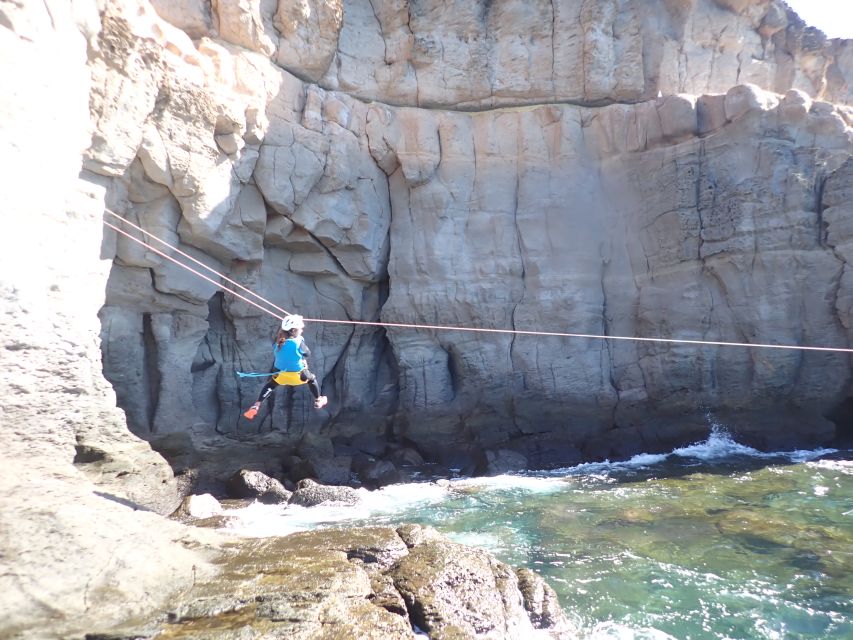
The aquatic section lasts about two to three hours. It is not one fixed challenge followed by a quick swim. Instead, you move along the coast, combining short walks, swims, climbs and water entries as the route allows.
The setting is the main reward. You see the Mogán cliffs from below, where the meeting of dark volcanic rock and open sea gives the route its character. The views are not just something to look at between activities. You are constantly using the coast, stepping across rocks, passing around formations and entering the water.
You should expect an active pace. Even when you are not climbing, you may be walking over uneven rock or swimming between sections. That is why the activity asks for a reasonable level of fitness. The route can be adjusted, but it is not designed for someone who wants to remain dry or avoid exertion.
What the via ferrata actually adds
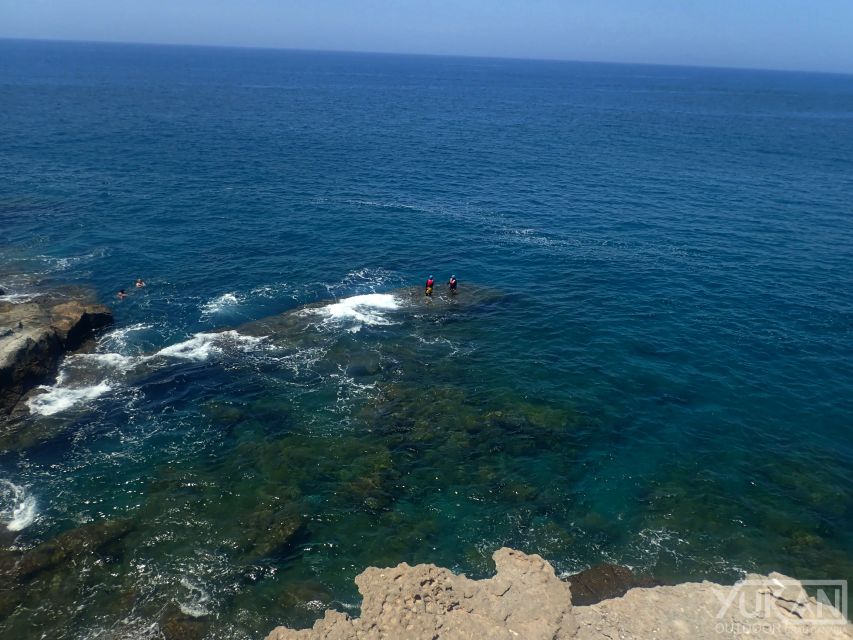
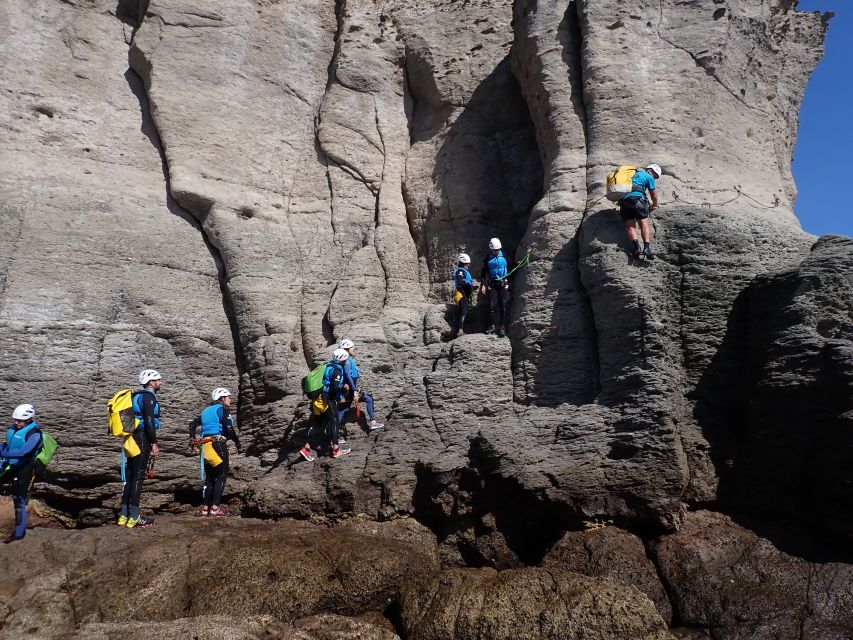
The via ferrata uses fixed points and climbing equipment to help you move along the rock. It is similar to climbing, but you are not expected to bring technical climbing skills or find your own route up a bare cliff.
For a first-timer, this is likely one of the most appealing parts. You get the feeling of making progress up the cliff while the harness and guide provide support. Still, do not mistake easy for effortless. You need to use your arms and legs, keep your balance and stay focused on where you place your feet.
Some sections are higher than others. If the height bothers you, you can skip the climb and continue by walking or swimming where the route permits. That flexibility keeps the outing from becoming a pass-or-fail test, though you should be honest about your comfort before the activity begins.
Same coast, another way to get in the water:
- From Morro Jable: Dolphin and Whale Watching and Snorkelling
★ 4.6 · 3,687 reviews - Tenerife: Kayak Safari and Snorkel in a Marine Reserve
★ 4.5 · 3,214 reviews - Palma: Catamaran Cruise with Swimming and Snorkelling
★ 4.3 · 2,859 reviews - Mallorca: Palma Boat Tour & Snorkeling with Drink Included
★ 4.4 · 2,444 reviews
Suspension bridge and abseiling sections
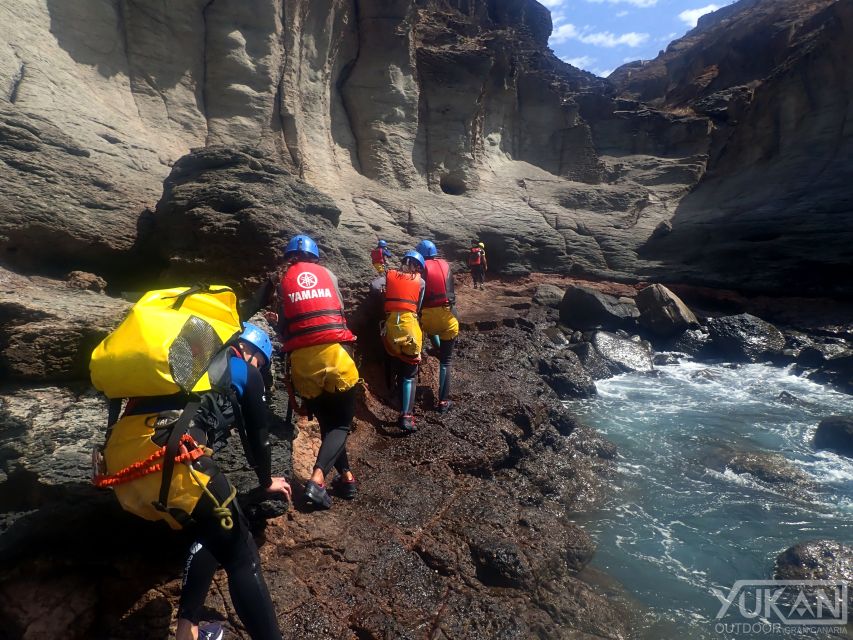
The suspension bridge adds a short burst of nerves without requiring a long technical climb. Bridges like this move under your weight, so the challenge is often balance and confidence rather than strength. The guide gives instructions and keeps the group moving safely across.
Abseiling provides the clearest taste of descending the cliffs. You use the harness and rope system while the guide manages the safety process. This can feel more serious than the other sections, especially if you are not used to looking down from a height.
You are not forced to rappel. The tour is built around choice, so you can take an alternative route by walking or swimming. That said, skipping one element may mean missing a memorable part of the route, so consider joining if you are nervous but willing. The guides are there to explain the process, not to pressure you.
Snorkeling, swimming and water jumps
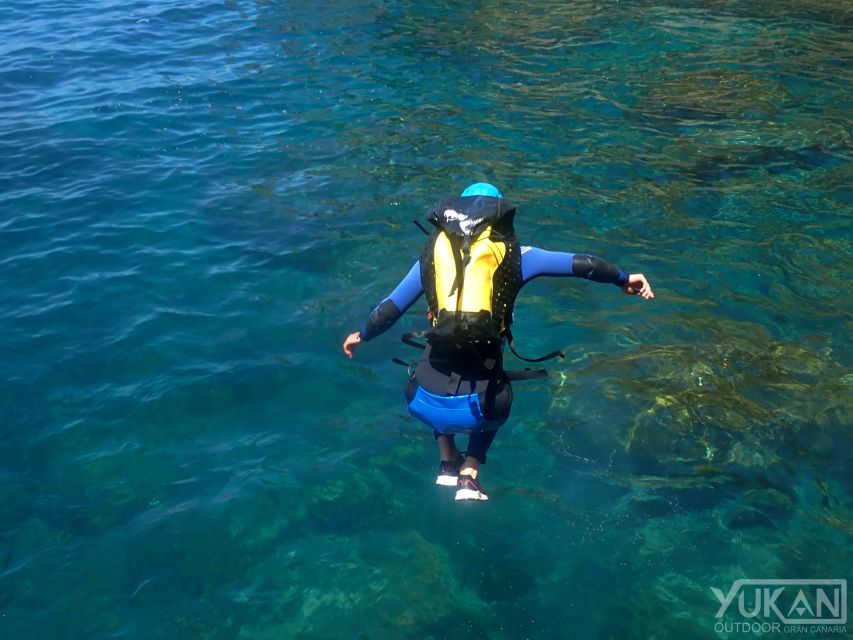
The water activities keep the route from becoming a land-based climbing session. Snorkeling lets you slow down and look beneath the surface, while swimming links the rocky sections. The description does not promise a particular marine species or visibility, so treat snorkeling as a pleasant part of the route rather than a dedicated wildlife excursion.
The jumps are the most adrenaline-focused option. Some can involve higher spots along the cliffs, and you need to be comfortable with heights and entering the sea. Water jumps are optional, just like the other challenges. If you prefer not to jump, you can use the walking or swimming alternatives.
The practical issue is footwear. You are not allowed to go barefoot, and sandals or flip-flops are not suitable. Bring closed-toe sport shoes or hiking boots with a good grip. They will get wet, and you should expect them to pass over rough volcanic rock. One useful extra is a pair of gloves for water, especially if your hands are sensitive to rock edges.
Guides, safety and the small-group feel
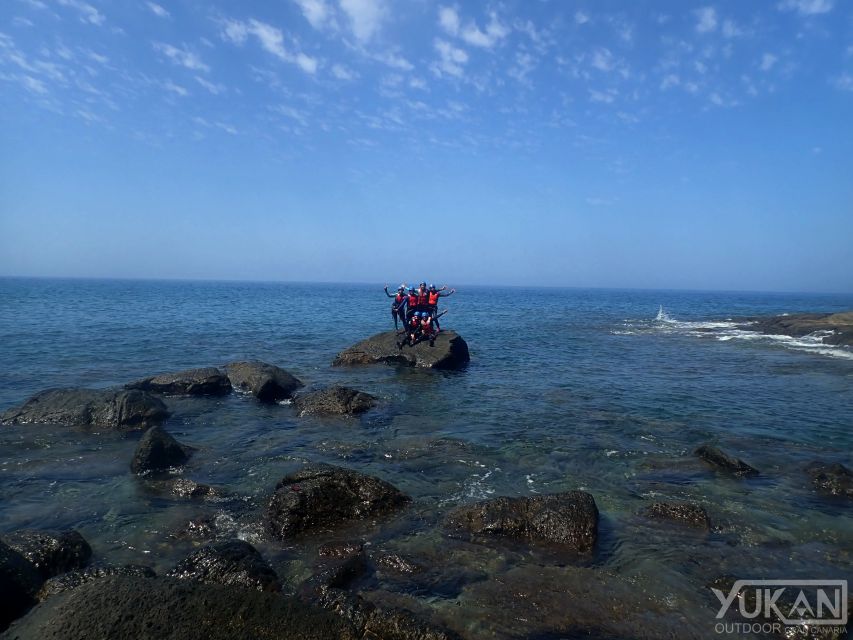
The guide is central to this outing. You need clear instructions when clipping into the via ferrata, moving across the bridge, preparing for abseiling and entering the water. The activity is offered in English and Spanish, and the group is limited to 10 people.
Manuel and D are among the guides associated with the experience. Manuel is particularly noted for taking careful charge around children, while D is known for supportive encouragement. You should still judge the activity by your own fitness and comfort. Friendly guidance makes the route easier to manage, but it does not remove the physical demands.
Safety equipment includes a helmet, harness, neoprene and life jacket. Insurance is included as well. The guides also provide a briefing before the aquatic route begins. These are useful safeguards, but they do not make this a risk-free beach outing. You need to follow directions, keep your gear secure and avoid attempting a jump or climb that feels beyond your ability.
What to pack, and what to leave behind
The packing list is short, but each item matters:
- Swimsuit
- Closed-toe sport shoes or hiking boots
- Towel
- Sunscreen
- Water
- Hair tie if you have long hair
- Personal medication
- Dry clothes and dry shoes for after the activity
You may also bring gloves made for water. They are optional, but the volcanic rock can be rough and sharp. Jewelry is not allowed, and you cannot take part barefoot. Leave sandals and flip-flops at your accommodation.
Do not carry more than necessary during the walk and water section. The tour includes photos, so you do not need to risk bringing a phone or camera into the water. The included photos are a useful bonus, especially since you will have limited free hands while wearing safety gear.
The provider also supplies a cereal bar and isotonic drink. That is a modest snack, not a full meal, so eat properly before you arrive. Four hours of walking, climbing and swimming can take more out of you than the beach setting suggests.
Who will enjoy this most
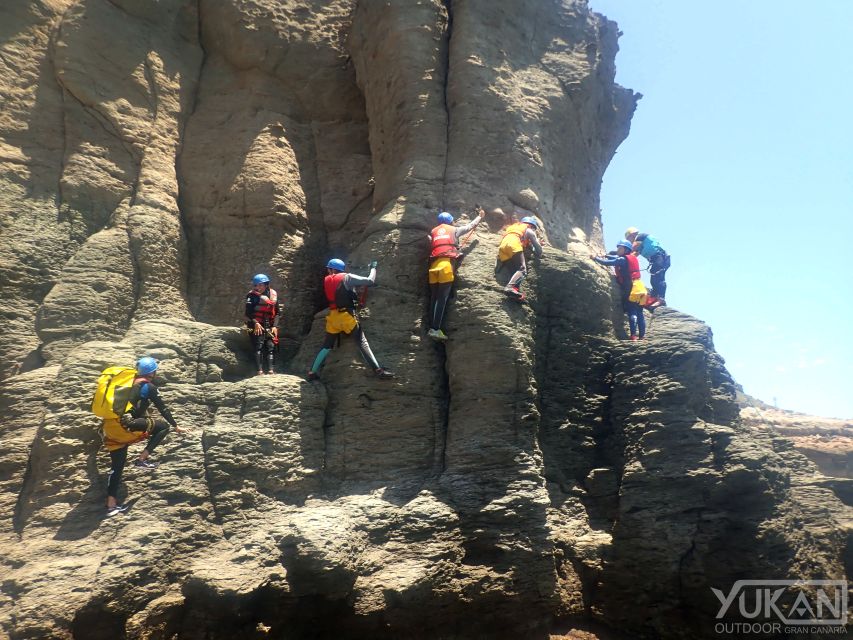
I would choose this for an active couple, a group of friends, or a family with older children who want several coastal activities in one booking. Children under eight cannot participate, and the activity is not suitable for pregnant women or people with mobility impairments.
You do not need a climbing background. You do need to be a bit fit, comfortable in the ocean, and willing to handle heights. If you like trying new activities but do not want to commit to a full technical climbing course, this format works well.
It is less suitable if you want a relaxed swim, a dry walk, or a quiet nature outing. The route can be physically tiring, and the four hours include the walk to and from the ocean area as well as the aquatic section. Anyone with a strong fear of heights should think carefully before booking, even though every activity is optional.
Timing, transport and cancellation
The listed duration is four hours, with starting times dependent on availability. You meet at the parking area rather than being collected from your hotel. The location is in Mogán, and a bus stop is available nearby.
You can cancel up to 24 hours before the activity for a full refund. The reserve-now, pay-later option is useful if your plans are still shifting. If there is no scheduled group departure on your preferred date, a private tour may be requested if the calendar has space.
Check the sea and weather conditions before setting out, although the supplied details do not state a fixed weather policy. If you are unsure, ask the provider directly before booking. The route relies on safe access to rock and water, so conditions matter.
Is $82 a fair price?
At $82, you are paying for variety and supervision. A four-hour outing that includes climbing, abseiling, a bridge, jumps, snorkeling and swimming gives you more than a single short activity. The gear rental and insurance also save you from arranging technical equipment yourself.
The price is less attractive if you plan to skip most of the challenges. You can walk or swim around individual sections, but the value comes from taking part in several parts of the route. Photos are included, which helps justify the cost for anyone who wants memories without managing a camera in wet conditions.
For me, the small group is also important. A maximum of 10 people should make it easier to get help with equipment and instructions than on a large adventure outing. It does not promise private attention at every moment, but it is a sensible group size for a route that uses ropes and harnesses.
Should you book the Mogán coastering route?
Book it if you want an active half-day that keeps changing pace. You get cliff views, water time, beginner-friendly climbing, optional jumps and a guide who handles the technical setup. The route is especially good for someone who wants to try several adventure activities without booking them separately.
Skip it if your idea of a coastal day involves lounging, easy swimming or firm ground. Bring grippy closed shoes, expect them to get wet, and be ready for sharp rock and real exertion.
For most reasonably fit people who are curious about heights and the sea, I think this is a strong use of four hours in Gran Canaria. The choice to skip any activity makes it less intimidating, while the combination of cliffs and ocean gives the outing a clear sense of place.
FAQ
Where does the coastering activity meet?
The meeting point is Parking Playa Medio Almud, GC-500, 1451, 35138 Mogán, Las Palmas. The guide wears a Yukan uniform.
How long does the activity last?
The full activity lasts four hours. You walk about 20 minutes from the parking area to the ocean, then spend around two to three hours on the aquatic route before returning to Medio Almud Beach and the parking area.
Do I need previous climbing experience?
No. Previous experience is not required, and the guides provide instructions. You should still be reasonably fit and comfortable with heights and the ocean.
Are the jumps and climbing sections mandatory?
No. The activities are optional. You can skip an element by walking or swimming around it where the route allows.
What equipment is included?
The activity includes a harness, helmet, neoprene, life jacket, insurance and photos. A cereal bar and isotonic drink are also included. Shoes are not provided.
What should I wear and bring?
Bring swimwear, closed-toe sport shoes or hiking boots, a towel, sunscreen, water, a hair tie if needed, personal medication, and dry clothes and shoes for afterward. Gloves for water are optional.
Who cannot take part?
The activity is not suitable for children under eight, pregnant women, or people with mobility impairments. You also cannot participate barefoot or in sandals or flip-flops.
New snorkel trips around Spain
- Palma de Mallorca: Palma Bay Boat Tour with Snorkeling★ 4.4 · 440 reviews
- Palma de Mallorca: Private Boat Tour with Snorkel and Paddle★ 5.0 · 117 reviews
- Mallorca: On Road Buggy Tour + Panorama View + Snorkeling★ 4.7 · 22 reviews
- Morro Jable: Snorkeling Adventure★ 4.9 · 84 reviews
- Mogán: Guided Kayak to Caves and Snorkeling Tour★ 4.6 · 329 reviews
- Menorca: Kayak and Marine Reserve Snorkeling Adventure★ 4.5 · 179 reviews
- Menorca: Snorkeling Safari Tour★ 4.4 · 22 reviews
- From Fornells: Half-Day Menorca Catamaran Trip w/ Snorkeling★ 4.6 · 237 reviews
Gran Canaria Snorkeling Tours, side by side.
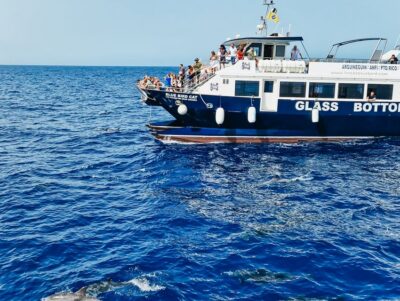
Gran Canaria: Catamaran Dolphin Watch Cruise with Snorkeling
Read our review →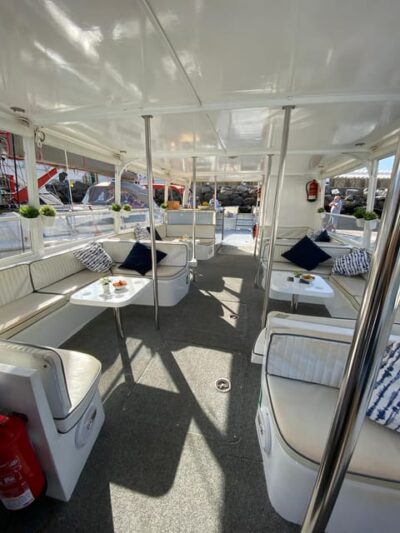
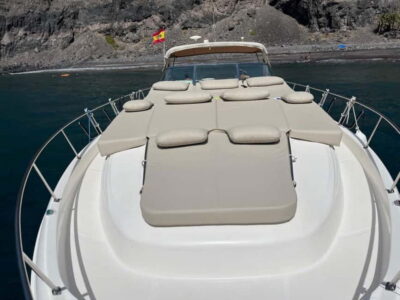
Gran Canaria: Shared yacht trip with drinks, lunch, and snorkeling
Read our review →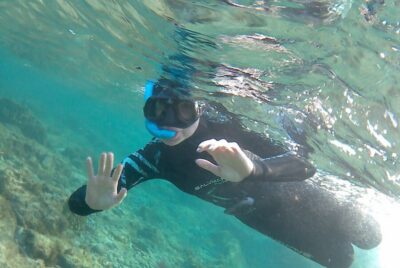
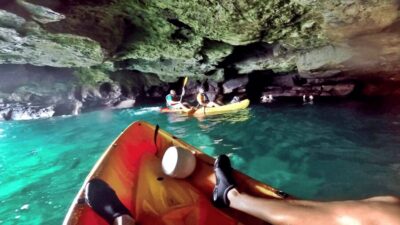
Mogán: Guided Kayak to Caves and Snorkeling Tour
Read our review →
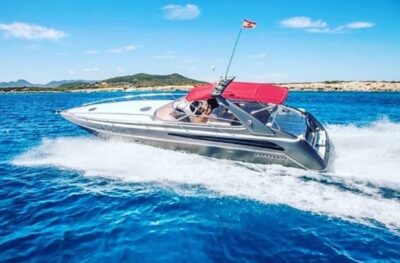
Gran Canaria: Private yacht excursion with Aperitif, drinks and snorkeling
Read our review →Lists this trip appears on