
Review · JAPAN
Okinawa : Kerama Whole Day Snorkeling Tour From Chatan/Naha
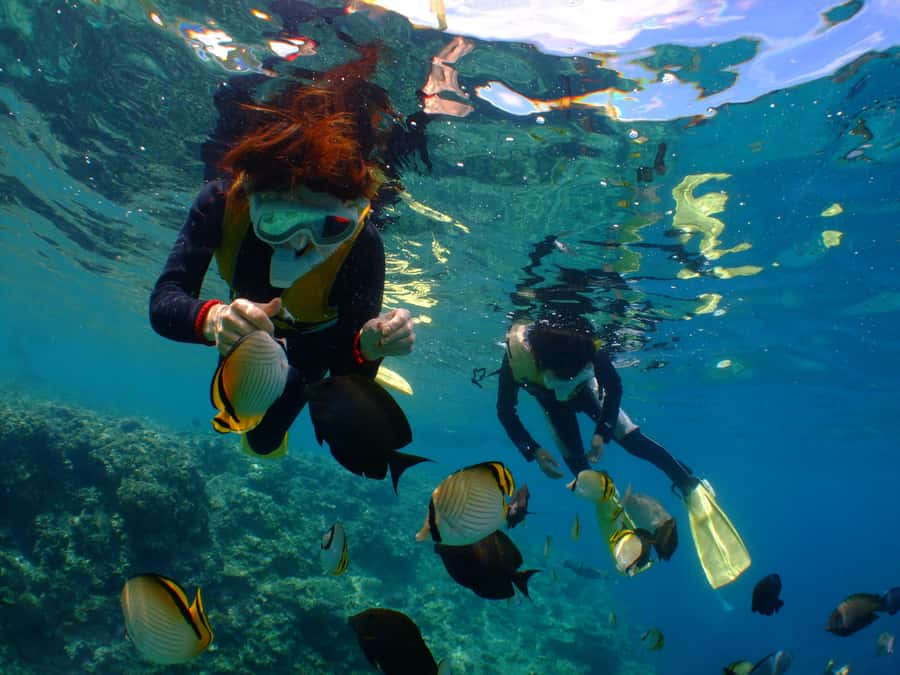
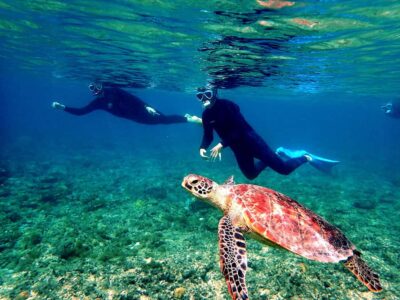
The big draw is the water around the Kerama Islands, where clear visibility lets you spot coral, clownfish, and schools of tropical fish from the surface. Sea turtles are possible, too, though nobody can promise one will appear. I like the choice of departing from either Chatan or Naha, and I like that the crew usually visits two or three separate spots rather than leaving you at one reef all day.
Two things deserve careful thought. You stay on the boat and snorkel around its anchor points, so this is not an island-hopping trip. Also, life jackets are mandatory, and skin diving is not allowed. That makes the tour accessible for many swimmers, but it may feel restrictive if you want to swim below the surface.
Key points to know before booking
- Two departure choices: Start from Chatan or Naha, depending on where you are staying.
- Two or three snorkeling spots: Sea conditions may reduce the route to one or two locations.
- Sea turtles are possible, not guaranteed: You may also see coral, clownfish, many tropical fish, and other marine life.
- No island landing: The boat remains your base for the day.
- One introductory underwater session: This option does not require a license, and full equipment is supplied.
- Bring your own lunch and towel: Food is not included, and Chatan departures have a 200-yen port facility fee.
Reaching the Kerama reefs from Chatan or Naha
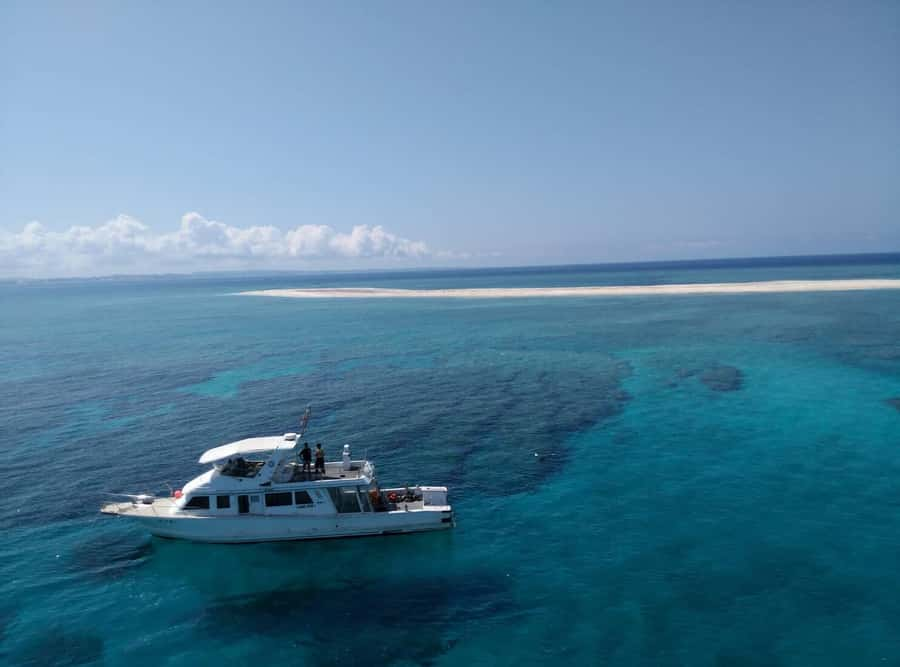
This outing takes you from Okinawa’s main island to the waters of Kerama National Park. You can choose a departure from Chatan or Naha, which is useful if you are splitting your stay between the two areas or simply want to avoid a long cross-island transfer.
Transportation is included, along with the boat trip and basic instruction. The Chatan departure has one small extra charge: a 200-yen port facility fee, paid in cash on the day. That is easy to overlook, so keep a coin or two ready.
The trip is built around the water, not sightseeing from shore. You will not disembark on the Kerama Islands. Instead, the boat anchors at selected points, and you enter the sea from there. This keeps the day focused on snorkeling, but it also means you should not book this tour expecting beaches, village visits, or time on an island.
The exact route depends on the sea. In good conditions, the plan is to visit two or three snorkeling points. Rougher water can reduce that to one or two, shorten the outing, or lead to cancellation. There is no refund for a shortened route caused by weather or sea conditions, unless the entire tour is canceled.
More full days on the water around Japan:
- Phuket: 3 Khai Islands Relax & Snorkeling Half/Full Day Tour
★ 4.2 · 2,379 reviews - Full day snorkeling adventure around Koh Tao
★ 5.0 · 2,300 reviews - Milos Small-Group Full-Day Cruise with Snorkelling and Lunch
★ 5.0 · 1,210 reviews
What the first snorkeling stop is like
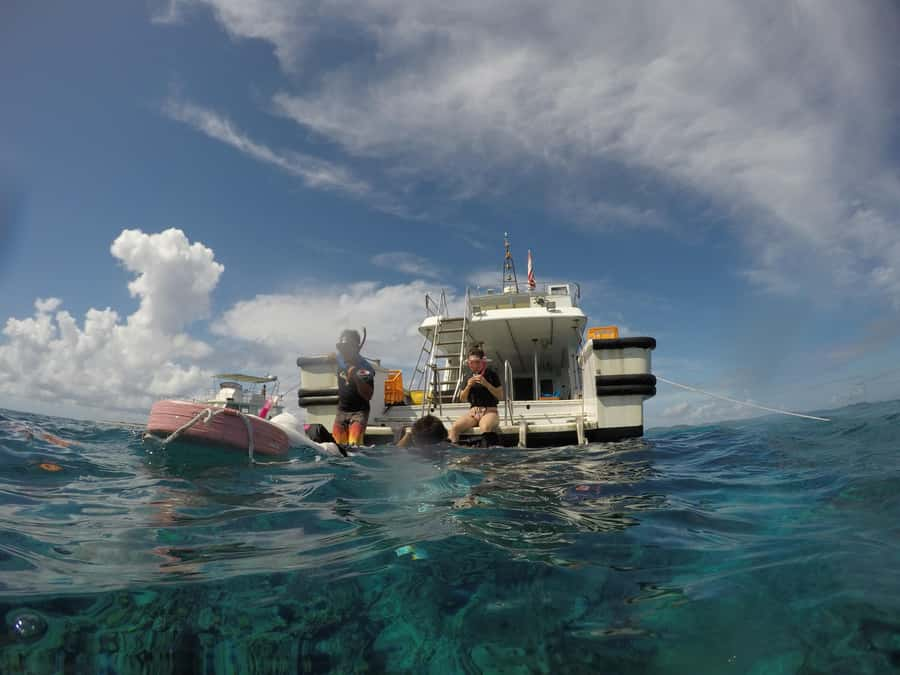
At the first point, the crew helps you get fitted with your mask, snorkel, fins, and life jacket. A wetsuit is included outside July, August, and September. If you want one during those warmer months, request it in advance, although availability is not guaranteed.
The guides provide instruction before you enter the water. The listed languages are English and Japanese, while the activity information also notes that an instructor speaks basic English or Korean. If you are a first-time snorkeler, tell the crew early. One participant received patient help from a young guide who recognized that extra support was needed and took time to explain what to do.
You will be swimming from the boat rather than walking into shallow water from a beach. That matters. If you are nervous in open water, the required life jacket gives you support, but you should still be comfortable entering the sea from the vessel and staying near the group.
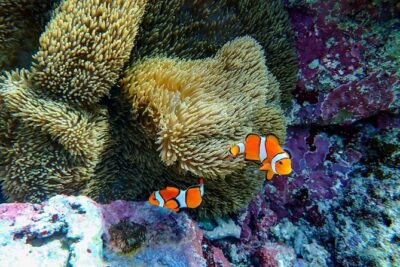
The water is the star here. Clear conditions can make it easy to see coral and fish without having to swim far. Clownfish, colorful reef fish, and other marine life are among the likely sights. The first stop also gives you a chance to settle into the equipment and learn how much effort you need to use in the current.
Keep your expectations sensible. Coral is living wildlife, not an aquarium display, and visibility changes with weather, tide, and sea movement. Do not touch coral or chase marine animals. A long-sleeved rash guard is a smart choice because it protects you from the sun and reduces the amount of sunscreen washing into the water.
Why the second and third stops matter
The appeal of visiting several points is variety. The boat can move to different sections of the park, giving you more than one look at Kerama’s underwater world. One spot may offer better coral, another may have denser fish activity, and another may give you a chance to look for turtles.
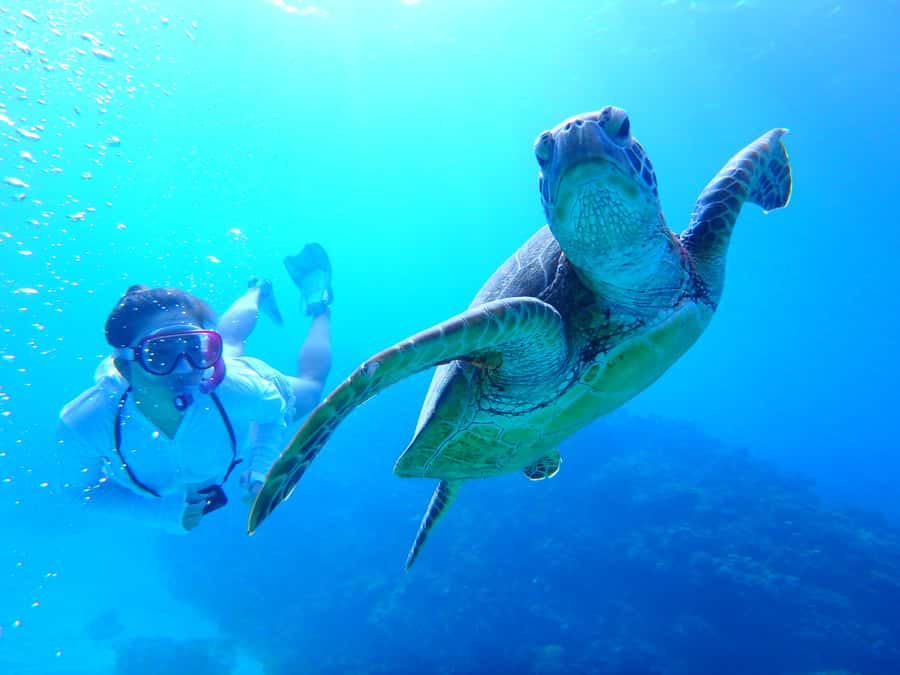
That variety also improves your odds of seeing something memorable, but it does not guarantee a particular animal. Sea turtles are regularly hoped for on this kind of outing, and several people saw them, sometimes more than one. One especially fortunate group encountered four turtles at two locations and even spotted a white-tip shark. Treat that as good luck, not as a promise built into the price.
The crew may swim around the group and take photographs or videos. Data is included, but a picture of every participant cannot be guaranteed. If you want your own record, bring a waterproof camera only if the operator allows it and you can use it without losing track of the group. The safest priority is watching where you swim and keeping your hands off the reef.
The number of stops is not fixed. If the sea becomes uncomfortable or conditions change, the captain may visit fewer places. That can be disappointing if you planned your day around three sessions, but it is the sensible call for safety. A one-stop day may still provide good snorkeling, yet you should not expect compensation for a reduced route unless the entire tour is canceled.
The optional introductory underwater session
Instead of snorkeling throughout the day, you can choose an introductory underwater session at one of the points. No license is needed, and one session is included with full equipment rental. You then snorkel at the other locations.
This is a useful middle ground for someone curious about scuba-style swimming but not ready to commit to a licensed course. The actual point used for the session, first or second, depends on the number of participants. You should expect basic instruction and a trial experience rather than a full certification program.
The age and weight rules are stricter for this option. Participants must be 10 to 60 years old, and the equipment limit is 100 kilograms, or 220 pounds. Afterward, you cannot fly on the same day because of pressure-related safety concerns. Plan the activity early enough in your trip to leave the following day free from air travel.
The snorkeling option allows ages 6 to 60 and has a maximum equipment weight of 120 kilograms, or 265 pounds. The age information also lists limits for people over 65, so if you are near the upper age range, confirm eligibility before booking. Wetsuits are not available in oversized sizes, typically for people close to or above 99 kilograms, or 220 pounds. You can still swim with a life jacket if the operator accepts you under its weight rules.
More snorkeling tours around Japan:
- Okinawa: From Naha: Kerama Islands 1-day snorkeling tour
★ 4.4 · 423 reviews - Naha, Okinawa: Keramas Island Snorkeling Day Trip with Lunch
★ 4.7 · 370 reviews - [Miyako Island/Half Day] Sea Turtle Snorkeling
★ 5.0 · 337 reviews - Okinawa Ishigaki Blue Cave Snorkeling Tour
★ 5.0 · 332 reviews
What is included, and where the value lies
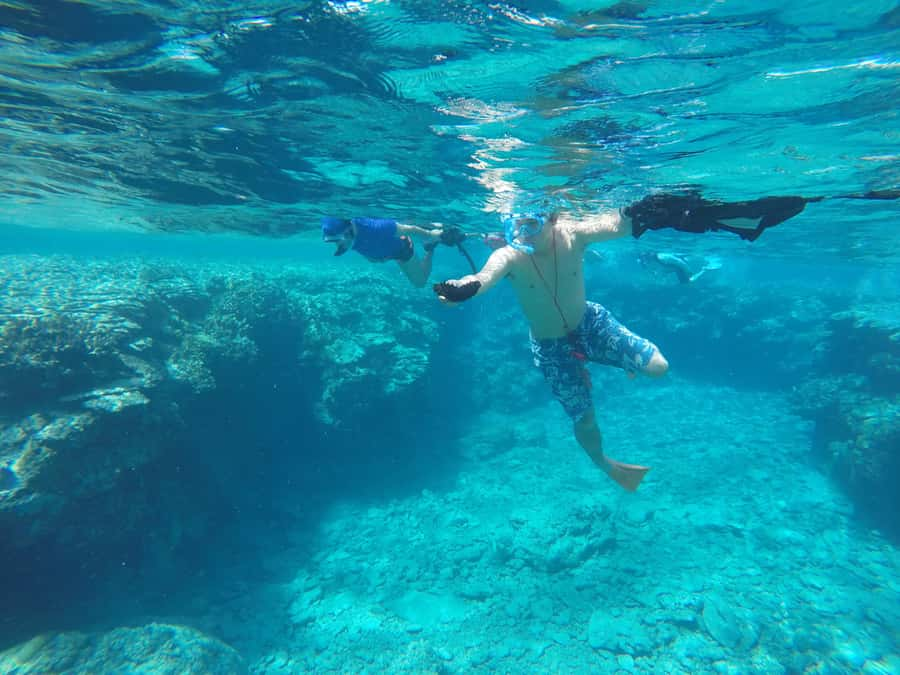
At $94 per person, the price covers transportation, guidance, snorkeling equipment, a life jacket, insurance, and photographs or video data. A wetsuit is included in most months. For the optional underwater session, full equipment rental is also included.
That is a reasonable package if you want a complete boat outing rather than arranging gear, transport, and instruction separately. The strongest value comes from the access to Kerama National Park and the chance to visit several water points in one day. You are paying for boat access, crew support, equipment, and time in a protected marine area.
Lunch is not included. Bring food, water, and a change of clothes. There is no suggestion that meals are sold onboard, so do not count on buying lunch after you leave shore. A hat, towel, comfortable shoes, swimwear, sunscreen, and a dry change of clothes belong in your day bag.
Large luggage, baby strollers, and baby carriages are not allowed. Smoking, alcohol, drugs, loud music, and disruptive behavior are also prohibited. These rules make sense on a working boat, where space is limited and everyone needs to hear safety instructions.
Prescription masks are available in limited quantities. If you normally need corrective lenses, disposable contact lenses may be the more practical choice, but only use them if you are comfortable doing so. The operator cannot promise that a prescription mask will be available in your strength.
The crew, photos, and comfort in the water
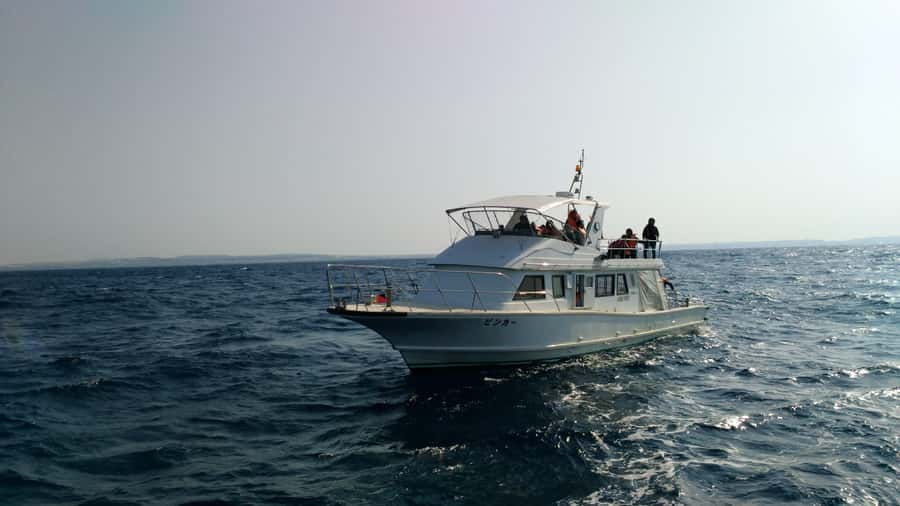
The crew’s role matters more here than fancy facilities. You need clear instructions, help with equipment, and someone watching the group in the water. The strongest praise for this outing focuses on careful staff, helpful guides, and well-chosen snorkeling locations.
That is good news for beginners. You do not need expert swimming skills, but you should be willing to follow instructions and wear the provided life jacket. Skin diving is not permitted, so stay on the surface and avoid trying to swim down to coral or animals.
The crew may take photos and videos while you are in the water. These are included as data, but the operator does not guarantee an image of every person. If you are traveling with friends or family, do not assume you will receive a full personal photo collection.
The boat day is active and exposed. You will spend time in the sun, salt water, and wind. Sunscreen is important, but a long-sleeved top is kinder to your skin and to the coral. Reapply protection as directed, and drink water even if the sea feels cool.
Health rules you should take seriously
The operator screens participants for safety. You cannot take part if you have heart or lung conditions, high blood pressure, an ear infection, pregnancy, diabetes, epilepsy, or a hangover. Alcohol is not allowed before or during the tour, and you must not arrive under the influence of drugs or alcohol.
There is no refund if you fail the health check on the day. Read the restrictions before paying, especially if you have a medical condition that is controlled with medication but still falls within one of the listed categories. If you are unsure, ask before booking rather than hoping the crew will make an exception at the port.
Minors under 20 in Japan need parental consent. The youngest snorkeling age is 6, while the optional underwater session begins at age 10. The upper age limit is 60 for both listed options, with additional restrictions shown for people over 65.
Who will enjoy this Kerama day
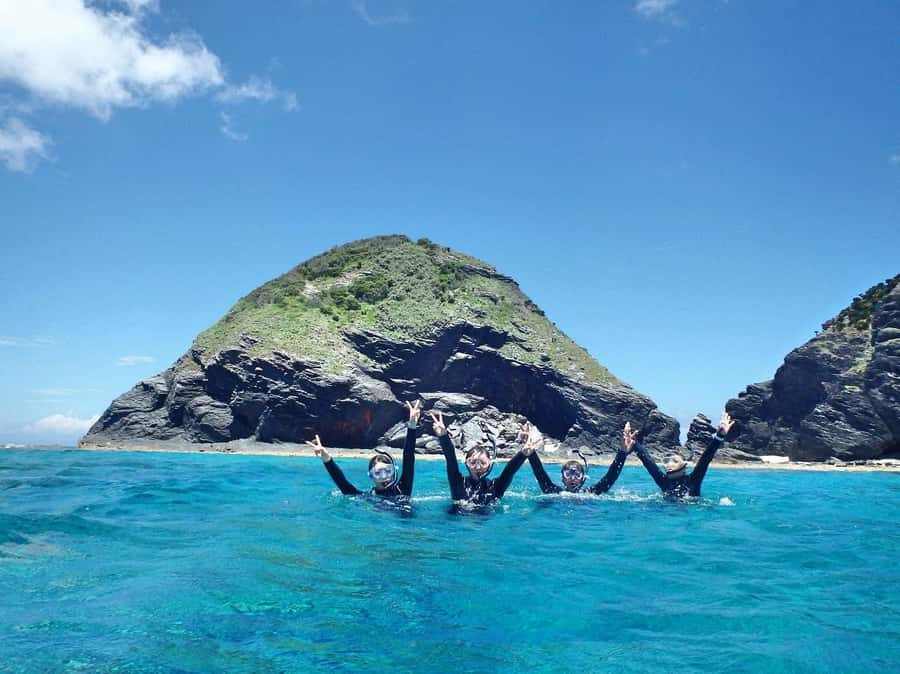
I would choose this tour if you want a straightforward day on the sea with several chances to see coral and fish. It suits families with children old enough to meet the age rules, first-time snorkelers who appreciate guidance, and experienced swimmers who are happy staying at the surface.
It is also a good choice if you are based in either Naha or Chatan and want a convenient departure without arranging your own boat. The ability to choose between snorkeling and one introductory underwater session adds useful flexibility.
I would look elsewhere if your priority is spending time on a Kerama beach, walking around an island, or snorkeling independently without a life jacket. This is a structured boat excursion. You follow the crew’s schedule, remain aboard between stops, and accept that the number of locations depends on the sea.
I would also avoid booking it as a guaranteed turtle trip. Turtles may appear, and some outings are exceptionally lucky, but wildlife never follows the brochure. The reliable promise is access to clear water, coral areas, and several chances to observe marine life.
Practical booking advice for your Okinawa schedule
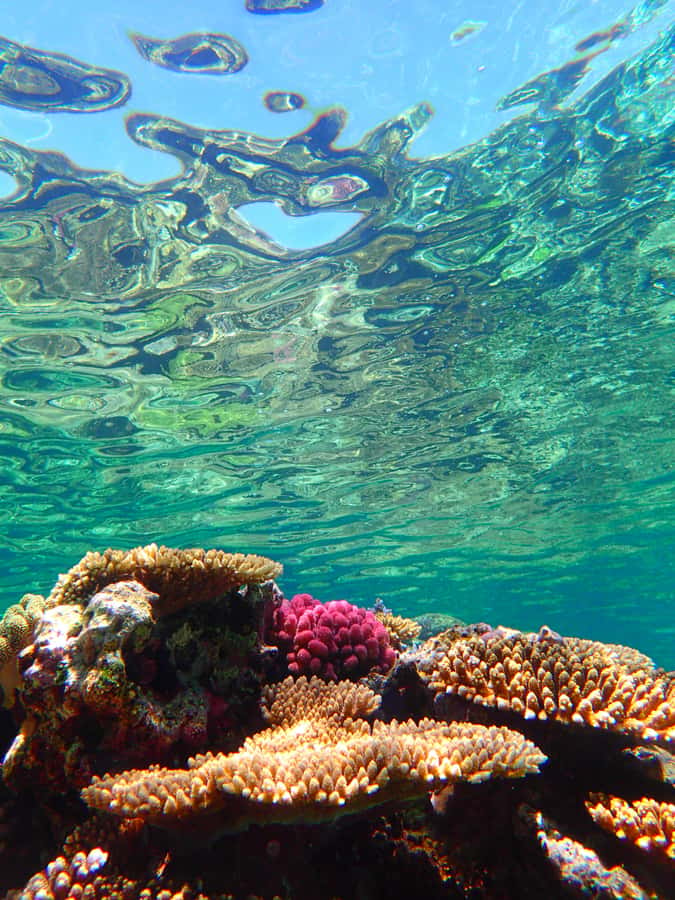
Keep the day before this trip free from heavy drinking or late-night plans. You need to pass the health check and be ready for sun, water, and boat movement. If you are choosing the underwater option, do not schedule a flight for later that same day.
Bring only what you need. A small day bag with swimwear, towel, dry clothes, food, water, sunscreen, and a hat is enough. Leave suitcases and bulky luggage behind, since large bags are not allowed.
If you want a wetsuit in July, August, or September, request it before the activity. If your weight is near an equipment limit, confirm the rules in advance. This is especially important for the underwater option, which has a lower maximum weight than snorkeling.
Cancellation is free up to 24 hours before departure. The tour may be canceled if fewer than four people book, with notice by the day before. Weather and sea conditions can change the route, so keep your schedule flexible rather than placing an important evening reservation immediately afterward.
Should you book this Kerama snorkeling tour?
Book it if you want a well-supported boat day with two or three possible reef stops, clear water, included equipment, and a real chance to see turtles and tropical fish. The $94 price makes sense for the transport, gear, insurance, guidance, and park access, especially if you do not already have your own boat arrangements.
Skip it if you need an island landing, guaranteed turtle sightings, a private boat, or freedom to swim without a life jacket. For everyone else, this is a practical way to reach Kerama National Park from Naha or Chatan, provided you pack lunch, accept the weather limits, and treat the sea life with care.
FAQ
Where does the tour depart from?
You can choose a departure from Chatan or Naha. If you depart from Chatan, bring 200 yen in cash for the port facility fee.
How many snorkeling locations will I visit?
The usual plan is two or three snorkeling points. Sea conditions may reduce this to one or two locations.
Will I land on one of the Kerama Islands?
No. There are no island landings. You snorkel from the boat at locations around the Kerama Islands.
Are sea turtles guaranteed?
No. Sea turtle sightings are possible but not guaranteed. You may also see coral, clownfish, colorful fish, and other marine life.
Is a license required for the introductory underwater option?
No license is required. The option includes one introductory session at one location, with snorkeling at the other stops and full equipment rental.
What should I bring?
Bring comfortable shoes, a hat, swimwear, a towel, a change of clothes, food, sunscreen, and water. Lunch is not included.
New snorkel trips around Japan
- Okinawa:Naha:Kerama Island Experience 1Dive and Snorkeling★ 4.4 · 99 reviews
- Okinawa: From Naha: Kerama Islands 1-day snorkeling tour★ 4.4 · 423 reviews
- Okinawa: Blue Cave Private Snorkeling Tour with Guide★ 4.8 · 40 reviews
- Naha, Okinawa: Keramas Island Snorkeling Day Trip with Lunch★ 4.7 · 370 reviews
- Miyako Island: SUP or Canoeing and Snorkeling Experience★ 4.9 · 11 reviews
- Miyako island: Pumpkin Limestone Caving & Snorkeling★ 4.6 · 13 reviews
- Kerama Half-Day Snorkeling Tour★ 3.8 · 44 reviews
- Ishigaki: Phantom Island Snorkeling and Taketomi Sightseeing★ 4.2 · 14 reviews
Japan Snorkeling Tours, side by side.
Okinawa: From Naha: Kerama Islands 1-day snorkeling tour
Read our review →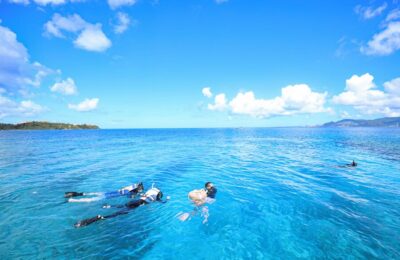
Naha, Okinawa: Keramas Island Snorkeling Day Trip with Lunch
Read our review →
Ishigaki Island: Blue Cave Exploration & Snorkeling Tour
Read our review →
Ishigaki Island: Boat Snorkeling Tour at Phantom Island
Read our review →
Iriomote Island 1-Day Snorkeling & Mangrove SUP or Canoe
Read our review →Lists this trip appears on