Review · PORT DOUGLAS
Port Douglas: Outer Great Barrier Reef Snorkeling Cruise
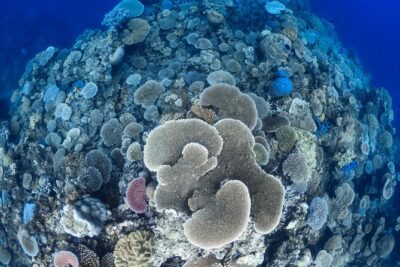
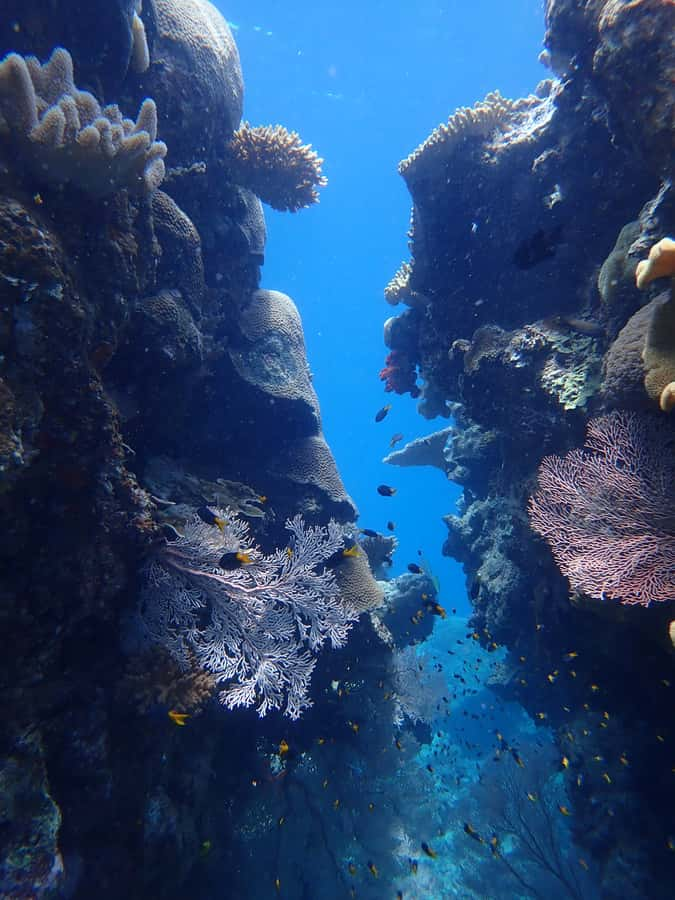
The best part of this Port Douglas cruise is its focus: three Outer Reef sites and snorkeling only, with no scuba divers or underwater scooters competing for your attention. Marine biologists spend real time in the water, helping you spot turtles, reef sharks, octopuses, giant clams, clownfish, and the smaller creatures that are easy to miss.
I like the generous time at each site and the free photography, which lets you enjoy the reef without wrestling with a phone in a waterproof case. I also like the conservation-minded approach, from reef monitoring to avoiding prawns and red meat. The main catch is the open-sea journey and the swimming requirement: you need to swim 50 metres without a flotation device, and this is not a good match for weak swimmers or people with certain medical conditions.
Key points to know before you book
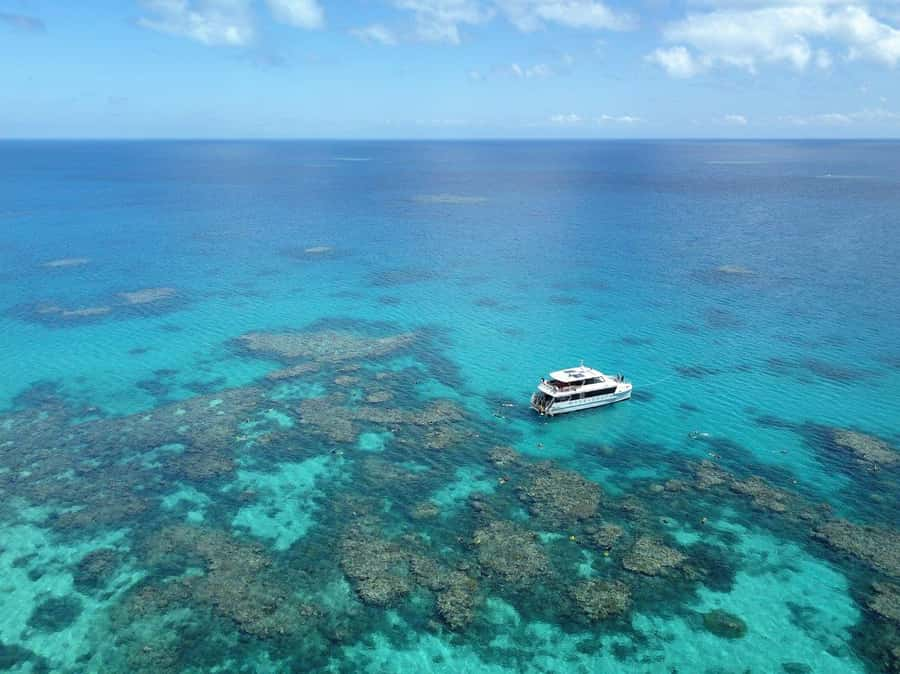
- Three Outer Reef locations: Each site is selected according to the day’s sea conditions, with roughly an hour of snorkeling at each stop.
- Marine biologists in the water: You can join guided snorkel tours or explore at your own pace with advice from the crew.
- Small-group feel: Wavelength is designed around personal help, rather than a crowded platform with hundreds of people.
- Food and drinks included: Expect morning tea, a deli-style lunch, afternoon tea, water, soft drinks, tea, and coffee.
- Free photos afterward: Crew members take pictures during the day and send a selection through a Dropbox link.
- Strict swimming standard: You must be able to swim 50 metres without a floatation device.
Why Wavelength’s three-site plan works so well
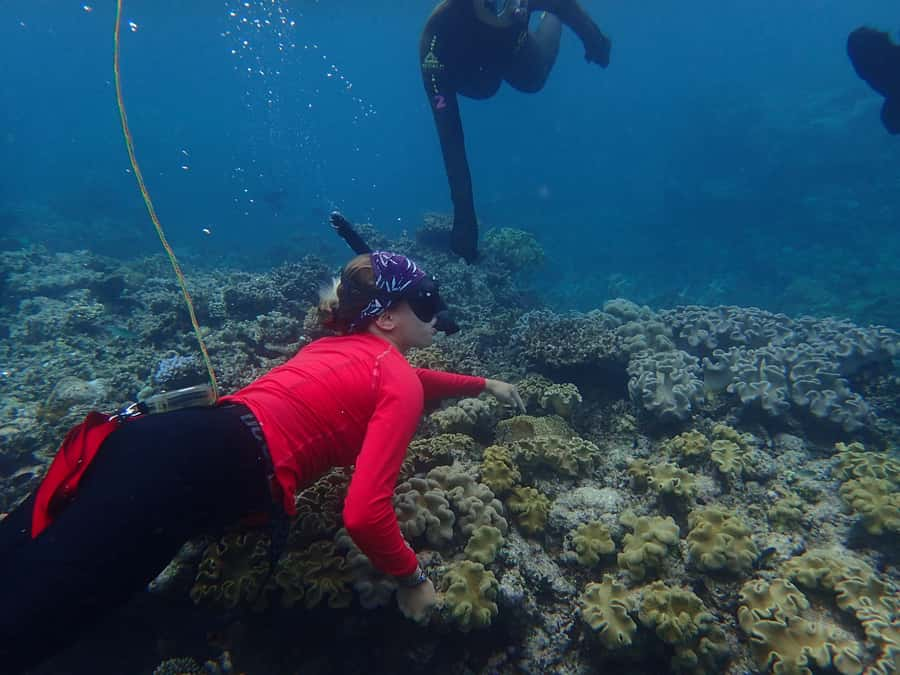
A reef trip can sound impressive on paper but still disappoint if you spend most of the day commuting or waiting for a turn in the water. Wavelength solves much of that problem by making the reef the main event. You travel out to the Outer Reef, then stop at three different sites, with substantial time to look around at each one.
The sites are not identical. Conditions guide the choice, so the exact locations can vary. That is useful because the crew can choose areas that suit the weather and sea state rather than following a rigid route. One reef may offer broad coral gardens, another may have larger fish or clams, and another may give you the best chance of spotting a turtle or reef shark.
The boat returns to Port Douglas at about 4pm, giving you a full eight-hour day. That sounds long, but it includes the outward trip, three water sessions, meals, safety talks, and the ride home. If you want a quick look at the reef with little time in the water, this is more commitment than you need. If you want a serious snorkeling day, the schedule gives you room to settle in and improve as the hours pass.
More Reef Snorkeling in Australia
- Great Barrier Reef Snorkeling and Diving Cruise from Cairns
★ 4.5 · 3,714 reviews - Ocean Freedom Great Barrier Reef Luxury Snorkel and Dive Cruise
★ 5.0 · 1,895 reviews - Cairns: Premium Snorkelling and Diving Reef Day Trip
★ 4.7 · 1,528 reviews
Leaving Port Douglas at 8:10am
Check in aboard Wavelength at Crystalbrook Superyacht Marina a few minutes before the 8:10am departure. From the restaurant Lure, follow the boardwalk toward Berth C10 and C11. Free parking is available at the front of the marina, and many Port Douglas accommodations are close enough to reach on foot.
The first 90 minutes take you from the marina toward the edge of the continental shelf. You pass Low Isles along the way, and the crew keeps an eye out for dolphins. During winter, humpback whales may also be seen, though wildlife sightings are never promised.
This crossing is not wasted time. The crew uses it to meet you, explain the plan, fit your mask and snorkel, and show you how the equipment works. A marine biologist also gives you an idea of what to look for underwater. For first-time snorkellers, that early help matters. You can ask questions before reaching the reef, rather than trying to learn everything while floating in open water.
The boat ride can still be tiring for anyone prone to seasickness. The tour information does not promise calm seas, and the reef is reached by open-water travel. If you know you get uncomfortable on boats, plan carefully and speak with the operator before booking.
The first reef session: time to get comfortable
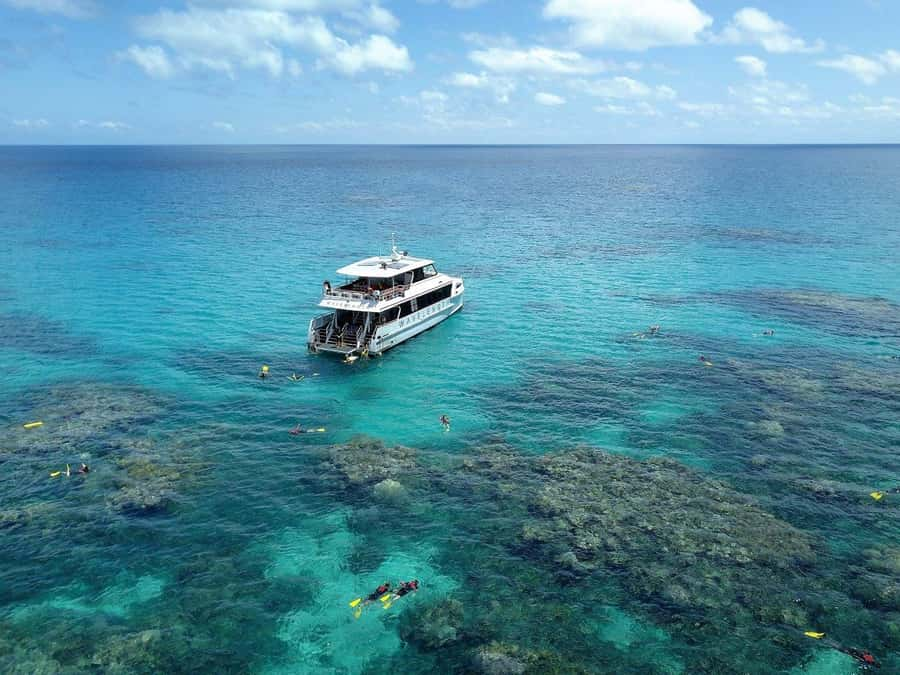
When Wavelength reaches the Outer Reef, the snorkel advisor gives a full safety briefing. You are not simply sent over the side with a mask and fins. The crew can help first-timers get comfortable, explain how to use the flotation equipment, and offer advice on breathing and movement.
The first session is largely yours to explore, with crew members in the water to point out marine life and help you find your rhythm. This is one of the strongest features of the trip. A guide may notice a camouflaged octopus, a small reef fish tucked into coral, or a clam that you would swim past without seeing.
You should still be honest about your ability. Wavelength requires every passenger to swim 50 metres without a floatation device. The tour is not suitable for non-swimmers, people with low fitness, or anyone with respiratory problems, high blood pressure, recent surgery, or other listed medical concerns. Children under six are not accepted, and there is also a 130-kilogram weight limit.
Those rules may seem strict, but they reflect the setting. You are snorkeling on the Outer Reef, not in a shallow hotel pool. The crew can assist, teach, and supervise, but it cannot replace basic swimming ability.
The second site and the value of a guided snorkel
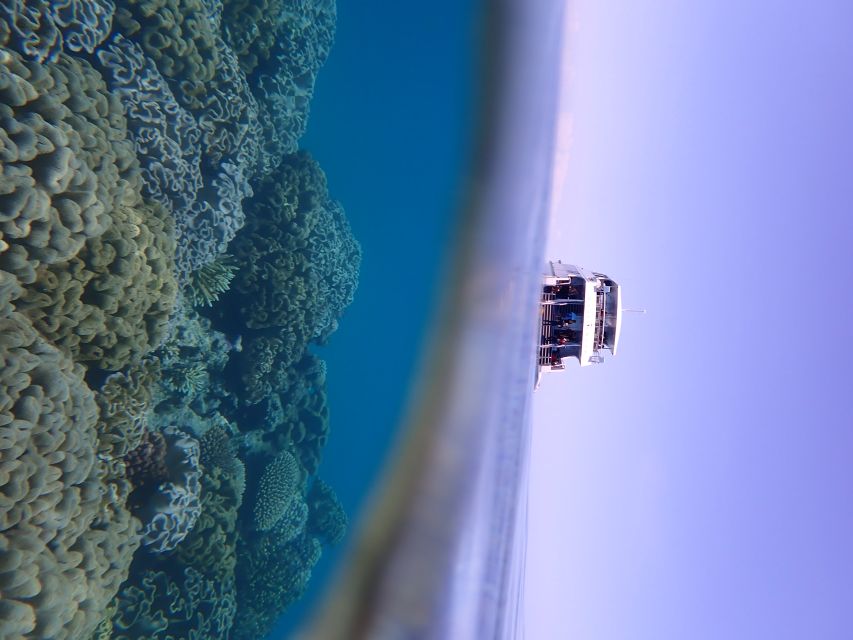
After morning tea, the boat moves to another reef area chosen for the conditions. By now you have had time to adjust your mask, fins, and breathing. The second session adds a more structured option: a marine biologist leads guided snorkeling tours and explains what makes that site different.
This is where the tour becomes more than a pretty swim. The guide can help you read the reef, not just look at it. You may learn how corals provide shelter, why some fish stay close to particular formations, or how small reef animals fit into the wider ecosystem.
The crew may hand you a small number of creatures during a guided session, but touching is tightly controlled. That is a sensible balance. You get a closer look without turning the reef into a petting zoo. The general rule remains simple: look carefully, keep your hands to yourself unless invited, and follow the marine biologist’s instructions.
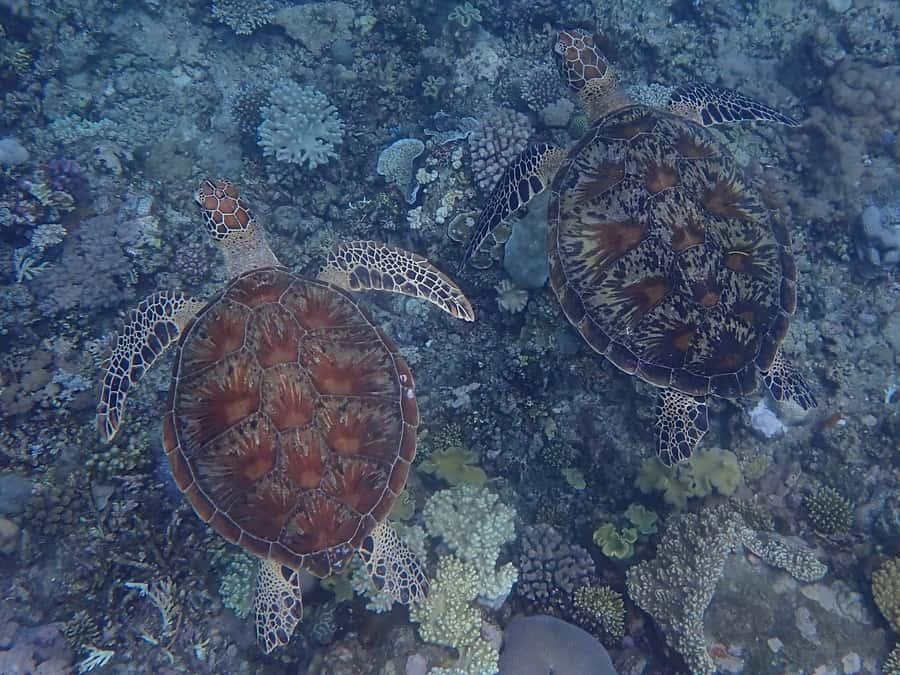
The exact wildlife cannot be guaranteed. Some days bring turtles, white-tip reef sharks, octopuses, giant clams, and dense schools of fish. Other days may offer better coral viewing but fewer large animals. The reef is a living place, not a staged show, and sea conditions affect visibility and which site the boat can use.
More Great Barrier Reef snorkeling around Australia:
- Cairns: Great Barrier Reef Half-Day Snorkelling Tour
★ 4.7 · 1,326 reviews - Cairns: Great Barrier Reef Premium Diving Full Day Tour
★ 4.7 · 792 reviews - Quicksilver Great Barrier Reef Snorkel Cruise from Port Douglas
★ 4.5 · 782 reviews - Outer Reef Mackay Cay Sail & Snorkel Adventure from Port Douglas
★ 5.0 · 436 reviews
Lunch, reef science, and a welcome break
The included lunch is deli-style, with gourmet rolls or food bowls for special diets. The standard meal includes a chicken and salad roll, and water, soft drinks, tea, and coffee are available. Morning and afternoon tea are also included, with snacks and cookies served during the day.
The food receives unusually strong praise for a boat excursion, and the quantity should suit most people. One practical exception: if you tend to get very hungry after several hours of swimming, carry extra snacks if permitted and useful for you. A pregnant passenger specifically found the food good but wanted more between meals.
Tell Wavelength about dietary needs by the day before the trip. The crew can cater for lactose-free and gluten-free requirements, and one passenger with a severe peanut allergy received a safe lunch and extra snacks. Do not wait until boarding to raise the issue.
Lunch also brings an informal reef talk from the marine biologists. You can ask about something you saw in the water, listen to an explanation of coral ecology, or simply sit down and rest. The talk is available without forcing you to pay attention every minute, which is helpful after a busy morning.
Wavelength’s food choices also reflect its environmental position. It does not serve prawns because of the by-catch linked to prawn fishing, and it avoids red meat as part of an effort to reduce personal carbon emissions. That will not matter to every passenger, but it gives the meal a clear connection to the place you are visiting.
The third site and the best chance to relax
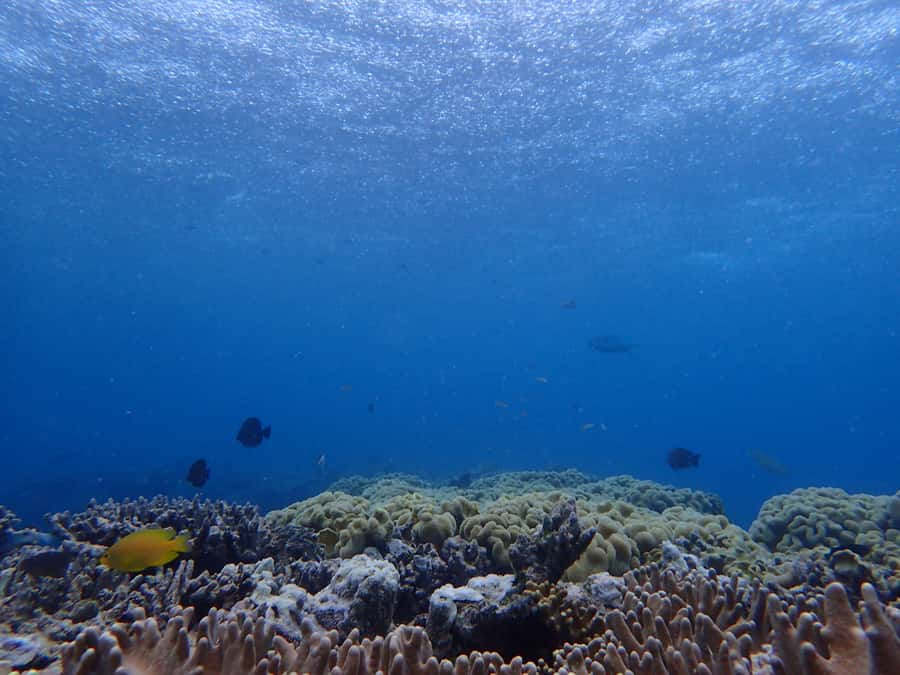
After lunch and the reef presentation, you head to a third location. By this point, you know how the equipment feels and what sort of reef life to watch for. You can join another guided snorkel or head out independently, using the crew’s advice to explore farther.
The third stop gives the day a useful sense of variety. You are not asked to decide after the first session that you have seen everything. Instead, each reef offers another chance to compare coral shapes, fish life, water depth, and visibility.
This is also the best time to enjoy the complimentary photos. A Wavelength crew member takes pictures during the day and sends a selection through Dropbox, along with some of the company’s favorite wildlife images. That is a real benefit. You can concentrate on swimming and looking instead of trying to protect a camera, frame yourself, and keep track of where you are.
The photos are not a substitute for carrying your own camera if personal control matters to you, but the free service removes one of the biggest small annoyances of a reef day. It also means people in your group can appear together in the pictures rather than taking turns behind the lens.
The boat, crew, and conservation work
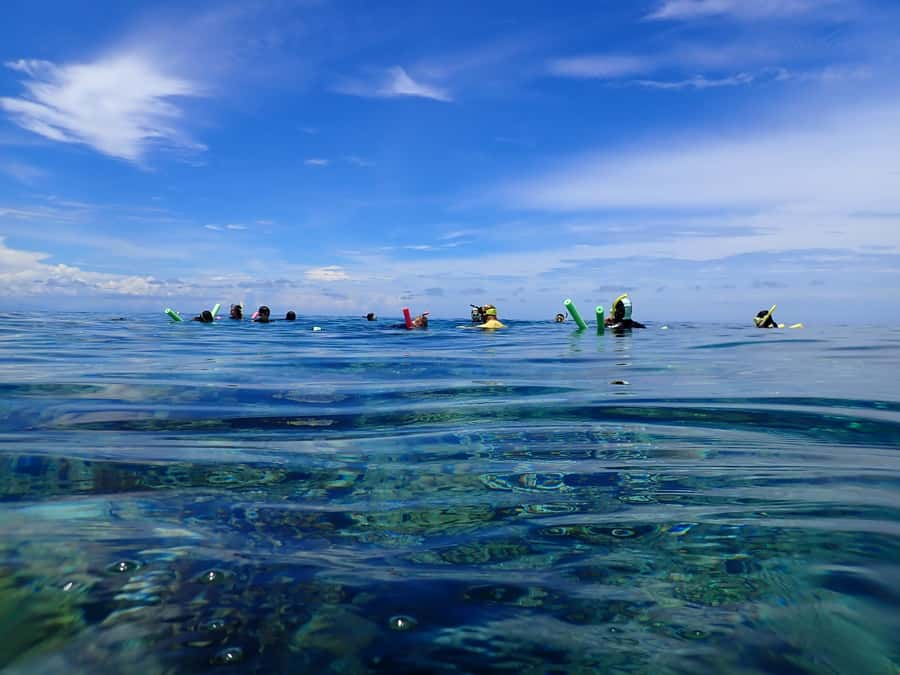
Wavelength is a snorkeling-only vessel, so its setup is aimed at people who want water time rather than a mixed program of scuba, helmet walks, and glass-bottom viewing. The boat is described as clean, comfortable, and spacious, with well-maintained equipment and a group size that lets the crew keep an eye on people.
The personal service is especially useful for mixed-ability groups. A family can have confident swimmers exploring independently while someone newer to snorkeling stays close to the crew. Couples and older passengers can take the day at a comfortable pace, though everyone still needs to meet the swimming standard.
The crew’s tone is friendly and informal. Names mentioned during the operating season include marine biologists and crew members such as Kate, Kaia, Mike, Lockie, Captain John, Tan, James, and Ginger. Crew rosters can change, so do not book expecting a particular person. What you can reasonably expect is a team that combines safety instruction with explanations about coral, fish, and conservation.
Wavelength also takes part in reef restoration work and collects readings for the national centre. That does not change the basic sightseeing experience, but it adds substance to the conservation message. You are not only hearing that the reef needs care. You are seeing a company connect its daily work with monitoring and restoration.
Is $210 a fair price?
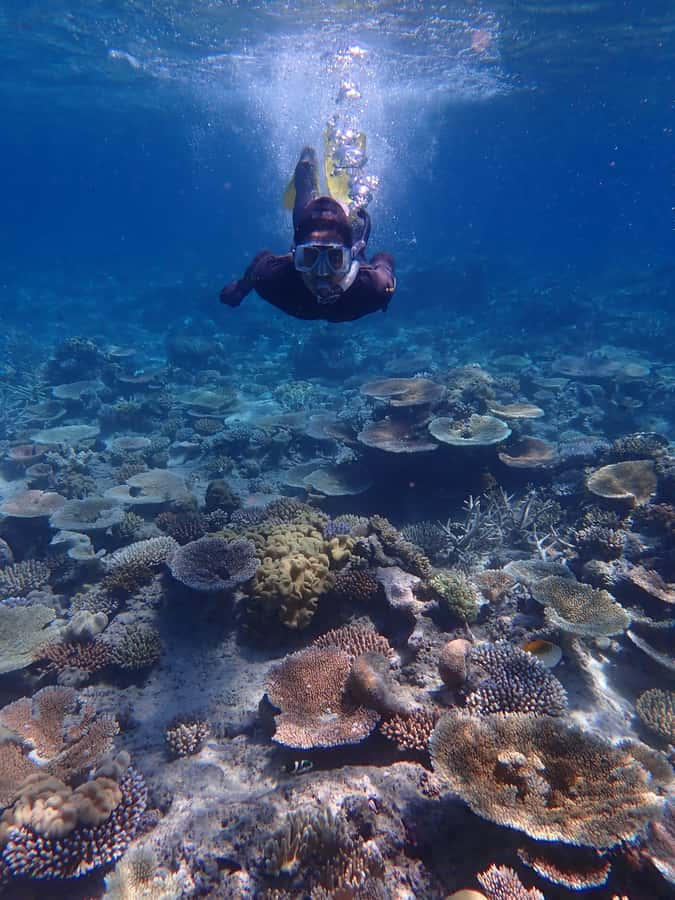
At $210 per person, this is not the cheapest way to see the Great Barrier Reef. It is also not just a boat transfer with a mask thrown in. The price includes an eight-hour outing, three reef locations, snorkeling equipment, wetsuit or lycra suit, marine biologist instruction, guided tours, reef talks, lunch, snacks, drinks, reef-safe sunscreen on the vessel, and free photos.
The value is strongest if you plan to spend much of the day in the water. A person who wants a short scenic cruise may not use enough of the inclusions to justify the cost. A keen snorkeller, first-timer who wants support, or family that values staff attention gets more from the package.
The three sites also protect you from putting all your hopes on one location. If visibility or conditions are less favorable at the first stop, the day continues with two more chances. That does not guarantee perfect water, but it makes the price easier to defend.
Who should book this reef cruise?
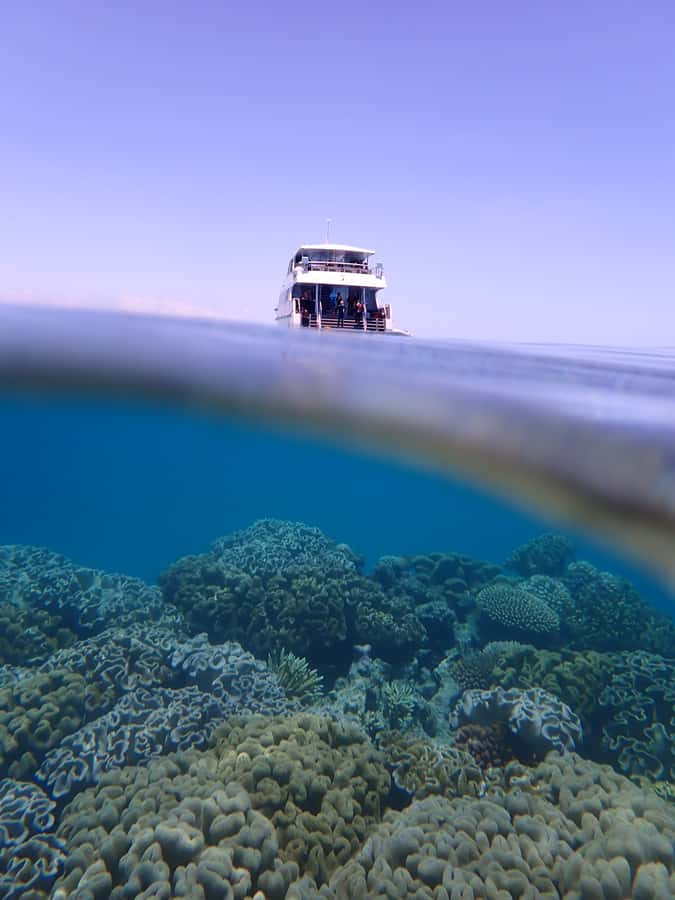
I would choose Wavelength for a person who wants to learn while snorkeling, not just float over coral for a few minutes. It suits confident swimmers, curious beginners, couples, families with children aged six and older, and mixed-age groups that appreciate plenty of time and personal guidance.
It is especially good for you if:
- You want three reef sessions instead of one long stop.
- You prefer a snorkeling-only program.
- You like marine science and want access to a biologist.
- You want free photos without carrying a camera in the water.
- You care about reef protection and responsible food choices.
- You appreciate a relaxed crew and small-group attention.
I would look for another activity if you are a non-swimmer, have one of the listed medical conditions, dislike open-water boat travel, or want a short and low-effort outing. This is a full day, and the swimming requirement is real.
Bring swimwear and a towel. Wavelength provides the rest of the main snorkeling kit, including a wetsuit or lycra suit depending on the season, and reef-safe sunscreen is available on board. Cancellation is free up to 24 hours before departure, and you can reserve now and pay later, which helps if weather or health plans are still uncertain.
Should you book Wavelength?
Book this cruise if the reef itself is your main reason for visiting Port Douglas. The combination of three sites, about three hours of water time, marine biologists, decent food, and free photos gives you more than a quick look from a crowded platform.
I would not book it simply because it is the most convenient reef trip. Choose it because you want a focused snorkeling day and are comfortable meeting the swimming standard. At $210, it asks for a serious slice of your holiday budget, but the long water sessions and personal guidance make it a strong choice for people who want to see the Great Barrier Reef properly.
FAQ
Where does the Wavelength cruise depart from?
Check in aboard Wavelength at Crystalbrook Superyacht Marina in Port Douglas. Follow the boardwalk in front of the restaurant Lure toward Berth C10 and C11.
What time does the tour leave and return?
Check-in is at 8:10am, and Wavelength returns to Port Douglas at approximately 4pm. The total activity lasts about eight hours.
How many reef sites will I visit?
You visit three Outer Great Barrier Reef sites. The locations are selected to suit the sea conditions on the day.
Is snorkeling equipment included?
Yes. Instruction and snorkeling equipment are included, along with a wetsuit or lycra suit depending on the season. Reef-safe sunscreen is also available on the vessel.
What food and drinks are provided?
The tour includes morning tea, a deli-style lunch with a gourmet chicken and salad roll or suitable food bowls, afternoon tea, water, soft drinks, tea, and coffee. Tell Wavelength about dietary requirements by the day before the tour.
Do I need to be a strong swimmer?
You must be able to swim 50 metres without a flotation device. The activity is not suitable for non-swimmers, weak swimmers, or people with the listed respiratory, blood pressure, surgery, fitness, or other medical concerns.
New snorkel trips around Australia
- Moreton Island: Tangalooma Snorkel Tour with Helicopter Tour★ 4.5 · 9 reviews
- Moreton Island: Tangalooma Day Trip with Snorkeling Tour★ 4.2 · 422 reviews
- Moreton Island: Tangalooma Snorkeling Tour & Dolphin Feeding★ 4.4 · 216 reviews
- Mooloolaba: Snorkel with Turtles Mudjimba Island★ 4.0 · 115 reviews
- Mooloolaba: Turtle Snorkel & Swim at Mudjimba Island★ 4.8 · 61 reviews
- Mission Beach: Outer Great Barrier Reef & Dunk Island Tour★ 4.6 · 31 reviews
- Magnetic Island: Snorkel Discovery Tour★ 4.9 · 252 reviews
- Jervis Bay: Guided Snorkelling Tour with expert guide★ 5.0 · 21 reviews
Port Douglas Snorkeling Tours, side by side.
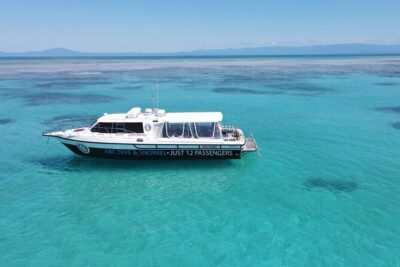
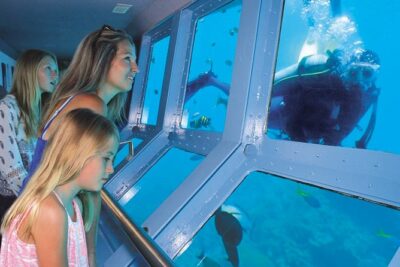
Quicksilver Great Barrier Reef Snorkel Cruise from Port Douglas
Read our review →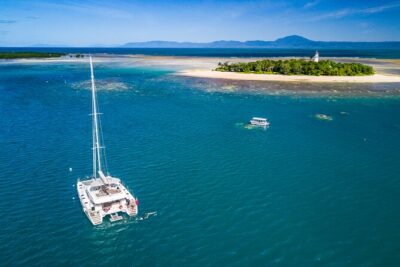
Full Day Low Isles Sailing & Snorkelling Cruise from Port Douglas
Read our review →