
Review · AUSTRALIA
Byron Bay: Nguthungulli Julian Rocks Snorkeling Tour
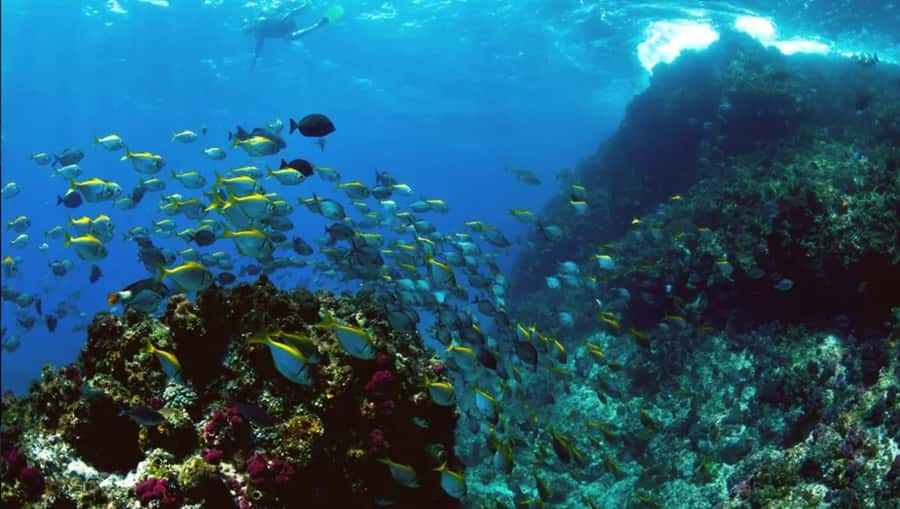
Nguthungulli Julian Rocks is the sort of place that makes a simple snorkel feel like a wildlife outing. Just offshore from Byron Bay, this marine reserve can put you near green turtles, leopard sharks, rays, and schools of fish in a single morning. The exact show depends on weather and season, but the range of sea life is the real draw.
I like the small group of no more than 10 people, which makes it easier for the guide to point out animals and keep an eye on swimmers. I also like that Turtle School adds a purpose beyond sightseeing: you learn to identify local turtles and contribute photographs and observations to conservation work.
The catch is that this is open-ocean snorkeling, not a calm lagoon swim. You must swim 200 meters without help, cope with waves and current, and step into the boat from shore with the water up to your waist. Conditions can cancel or change the trip, and one serious complaint concerned poor communication after a booking problem.
Key points at a glance
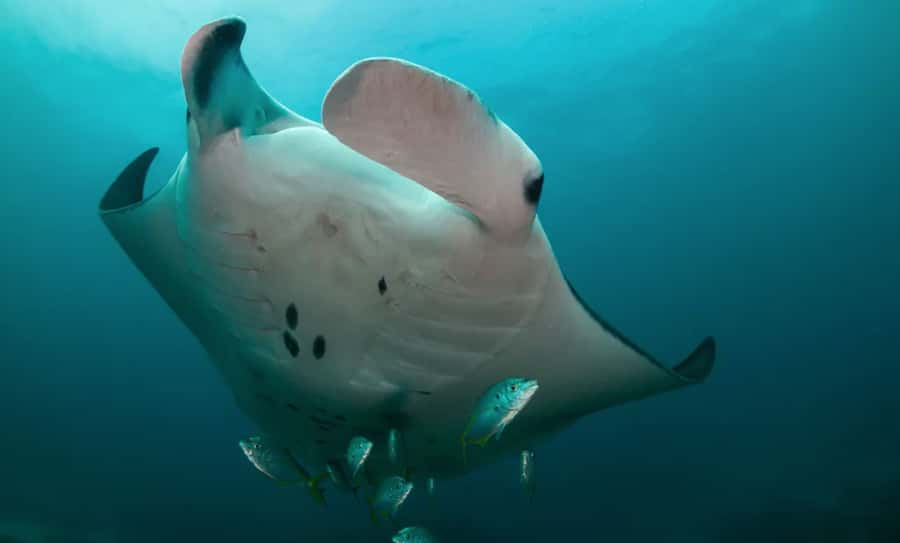
- Seasonal wildlife changes: Look for leopard sharks and manta rays in summer, while grey nurse sharks and humpback whales are more associated with winter.
- A real marine reserve: Nguthungulli Julian Rocks supports more than 1,000 marine species, including over 500 types of tropical and temperate fish.
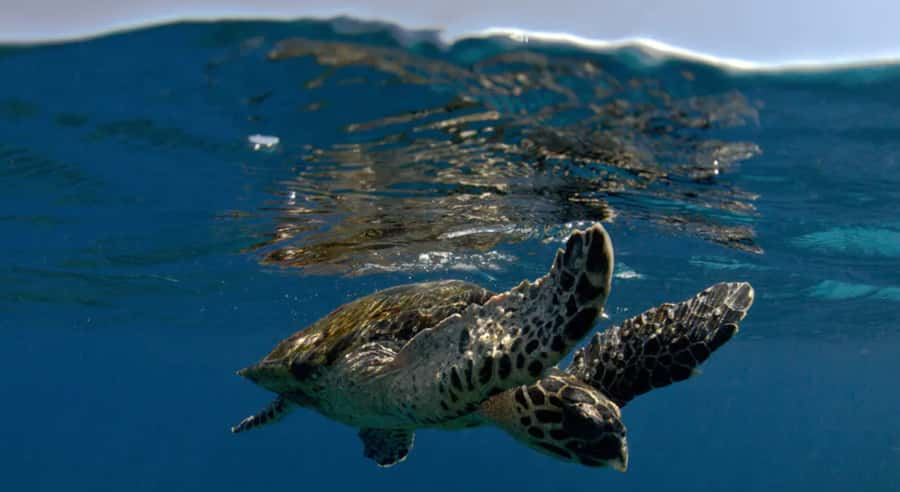
- Turtle School included: Learn how to identify green, loggerhead, and hawksbill turtles, then use those skills in the water.
- Small, well-equipped outing: The group is limited to 10, with wetsuits, fins, masks, snorkels, boat transport, water, lockers, and storage supplied.
- Short transfer, longer wildlife time: The van ride takes about 15 minutes each way, leaving roughly one hour for snorkeling.
- Fitness matters: This suits confident ocean swimmers, not non-swimmers, people with serious medical conditions, or anyone uncomfortable with rough water.
Why Julian Rocks is special
Nguthungulli Julian Rocks sits off Byron Bay inside one of Australia’s oldest aquatic reserves. Its position helps explain the unusual mix of animals. Tropical and temperate species share these waters, so the reserve can feel less predictable than a standard reef excursion.
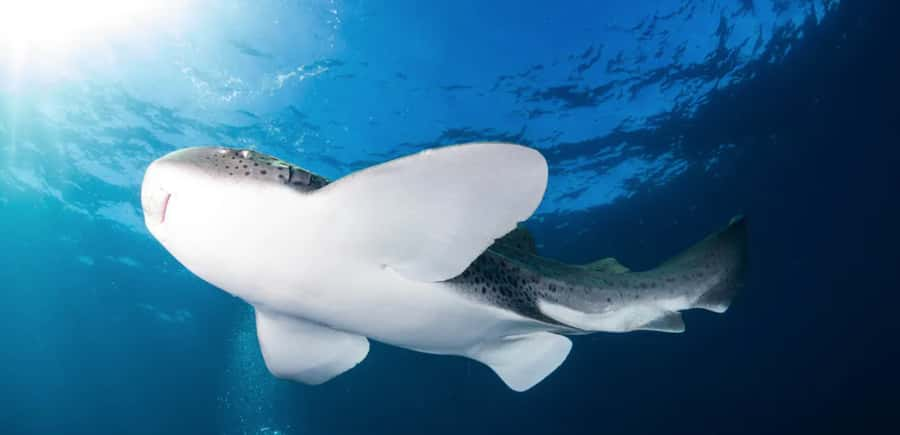
That variety is reflected in the numbers: more than 1,000 marine species live in the wider reserve, including over 500 fish species. You may see green, loggerhead, or hawksbill turtles, rays, wobbegong sharks, leopard sharks, and other fish. Manta rays are a summer possibility, while grey nurse sharks and humpback whales are linked with winter conditions.
Those are possibilities, not guarantees. Marine animals move freely, and visibility, swell, current, and timing all affect what you see. The sensible reason to book is not one promised animal. It is the chance to enter a protected place with a strong concentration of wildlife.
The setting also gives the outing a useful conservation angle. Turtle School teaches basic ecology, biology, and identification. You are not just asked to look at a turtle. You learn to tell species apart, photograph them responsibly, and contribute photo-identification information that supports research on critically endangered animals.
More snorkeling tours around Australia:
- Ocean Rafting: Whitehaven Beach, Snorkelling & Hill Inlet Lookout
★ 5.0 · 4,777 reviews - Great Barrier Reef Snorkeling and Diving Cruise from Cairns
★ 4.5 · 3,714 reviews - Whitehaven Beach and Hill Inlet Lookout Snorkeling Cruise
★ 5.0 · 2,953 reviews
From 5 Marvell Street to the launch site
You meet at the shop at 5 Marvell Street in Byron Bay. This is the practical starting point for check-in, equipment, and the health questionnaire required before snorkeling.
The included van transfer takes about 15 minutes to reach the launch area at The Pass. That keeps the morning fairly tidy. You do not need to arrange your own ride to the shore, and you avoid carrying wet gear across town after the boat trip.
The transfer is not hotel pickup, so plan to reach the shop yourself. Public parking in Byron Bay costs extra, and finding a space may add stress during busy periods. If you are staying nearby, walking or arranging your own transport to 5 Marvell Street may be simpler than relying on a car.
Queensland visitors should also check the time. Byron Bay is one hour ahead until the end of Australian Eastern Daylight Saving Time, so an early start can be easier to miss than expected.
Getting on the boat at The Pass
The boat launches from shore, rather than from a conventional dock. You must be able to step up into the boat while the water reaches your waist. That detail matters more than it may sound, especially if you have back problems, limited balance, or difficulty climbing.
The outing includes a boat ride to Nguthungulli Julian Rocks, plus a snorkel guide for the full time in the water. The group size is capped at 10 people, a useful limit when the guide needs to spot wildlife and signal to several swimmers.
You receive a wetsuit, mask, snorkel, and fins. Water is available onboard, and lockers and wet and dry storage are provided at the shop. Bring swimwear, a towel, sunscreen, and a hat. A waterproof camera is allowed, and it can be especially useful for the Turtle School photo-identification work.
The boat section is not the main event, but it shapes the whole experience. You are moving into an exposed marine environment, so the tour needs reasonable conditions. Waves, surge, and current are part of the setting. The operator says safety limits apply, but you still need to be comfortable with a less predictable sea.
One hour among turtles, sharks, and rays
The planned time in the reserve is about one hour. That may sound short, but it is a useful length for a physically demanding open-ocean snorkel. You get enough time to search for wildlife without turning the morning into an exhausting endurance test.
The guide helps direct your attention. In clear water, a turtle can pass below you quickly, and a shark may blend into the seabed until someone points it out. A guide who watches the water closely can make the difference between seeing an animal and missing it.
The wildlife list is impressive, but keep your expectations flexible. You might find green turtles grazing or moving through the reserve. Loggerhead and hawksbill turtles are also present. Wobbegong sharks and leopard sharks are possible, while rays may glide through the area. Summer can bring leopard sharks and manta rays, and winter is associated with grey nurse sharks and humpback whales.
Fish are the most dependable part of the experience in broad terms. More than 500 tropical and temperate fish species use the reserve, so even a day without a large animal can still provide plenty to watch. The mix is one reason this site appeals to people who want more than a quick look at a single reef.
The water is not described as a controlled, sheltered pool. You must swim at least 200 meters unassisted in open ocean. If you are a weak swimmer, you should choose a calmer activity instead. If you are confident in the sea but prefer easy conditions, check the forecast and ask the operator about the day’s expected water before setting out.
Same coast, another way to get in the water:
- Airlie Beach: Snorkel, Hill Inlet Lookout & Whitehaven Beach
★ 4.8 · 2,119 reviews - Ocean Freedom Great Barrier Reef Luxury Snorkel and Dive Cruise
★ 5.0 · 1,895 reviews - Cairns: Premium Snorkelling and Diving Reef Day Trip
★ 4.7 · 1,528 reviews - Cairns: Outer and Coral Cay Snorkel and Dive Cruise
★ 4.8 · 1,467 reviews
Turtle School and citizen science
Turtle School gives the outing its clearest point of difference. You learn about local turtle ecology and biology, then practice identifying species in the water. That can make wildlife encounters more meaningful, especially when you are looking at similar animals and trying to notice the details that separate them.
The conservation work is practical rather than abstract. Your photographs and identification contributions can support research on critically endangered sea turtles. The program operates under an NSW government permit, which adds structure to the research side of the experience.
Responsible interaction is important here. You should not chase, touch, or crowd animals. The goal is to observe while giving turtles and other wildlife room to move naturally. The guide can help you understand where to look and how to photograph without turning the animal encounter into a pursuit.
If you enjoy learning the names and habits of wildlife, this element adds real value. If you only want a relaxed swim with no instruction, the short workshop may feel like extra material. I see it as a worthwhile trade, particularly because the lesson connects directly to what you may see underwater.
Seasonal planning and animal expectations
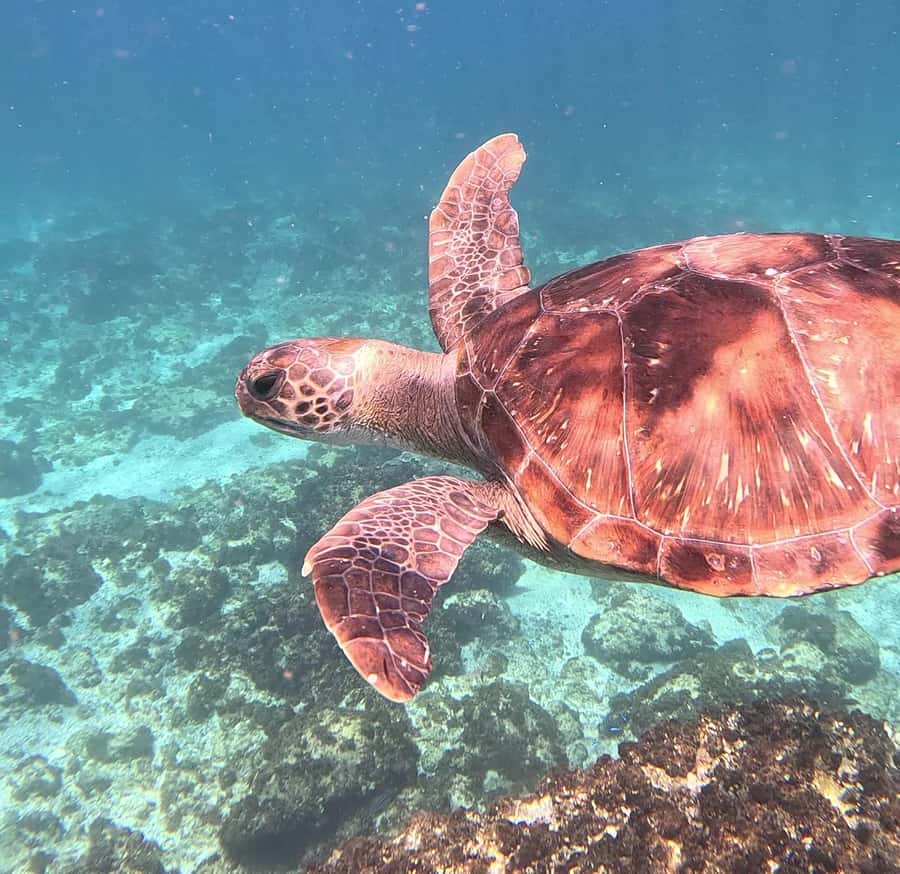
Summer is the strongest period for leopard sharks and manta rays according to the tour information. Winter brings the possibility of grey nurse sharks and humpback whales gathering in the area. Turtles, rays, and fish are present year-round, though sightings still depend on natural conditions.
This seasonal pattern can help you choose your timing, but it should not become a promise in your mind. Wildlife is not scheduled. A summer departure is not a guarantee of manta rays, just as a winter trip will not necessarily produce a whale sighting.
The best approach is to book for the reserve itself, then treat individual animal sightings as a bonus. That mindset protects you from disappointment and makes the smaller encounters count. A turtle, a ray, or an unusual fish can be just as rewarding when you have learned what you are seeing.
Is the $91 price good value?
At $91 per person, the price includes more than a boat ride. You receive all snorkeling equipment, wetsuit hire, the guide, transport between the shop and launch site, water, and storage facilities. For someone who would otherwise rent gear and arrange transport separately, that package is reasonably straightforward.
The small group improves the value. With no more than 10 participants, the guide has a better chance of helping you spot animals and answering questions. You are also paying for access to a marine reserve with a guide who can interpret what you see, not merely transport you offshore.
The one-hour water session limits the raw amount of snorkeling time. The total experience lasts three hours, but about 30 minutes is spent in the van transfers and additional time is needed for preparation. If you want several hours in the water, this will feel brief.
I would call the price fair for a visitor who values equipment, guidance, wildlife interpretation, and the citizen-science component. It is less compelling for a strong independent swimmer who already owns gear and wants a long, self-directed session.
Who should book, and who should skip it
This trip is best for confident swimmers aged 10 to 70 who are comfortable in open water and interested in marine life. It suits couples, solo visitors, and small groups who want a guided wildlife experience without committing to a full-day outing.
It is not suitable for non-swimmers, children under 10, pregnant women, wheelchair users, people with back problems, or anyone with serious or pre-existing medical conditions. People over 70 are also excluded by the stated requirements.
Children who meet the age requirement must be accompanied by an adult. Every participant completes a health questionnaire before snorkeling, so be honest about any condition that could affect your safety.
Weather is another deciding factor. The trip runs only in favorable conditions. If poor weather forces a cancellation, you are offered an alternative date, a gift voucher, or a full refund. One recent booking problem involved a change and unanswered calls, so I would keep confirmation details handy and contact the operator promptly if anything about your meeting time changes.
You can cancel up to 24 hours ahead for a full refund, and the reserve now, pay later option helps if your Byron Bay plans are still moving around.
The practical verdict
Book this tour if you want a compact, guided marine-wildlife outing with a serious chance of seeing turtles, sharks, rays, and fish. The small group, included gear, short transfer, and Turtle School program make it more useful than a basic snorkel rental.
Skip it if you are not a strong ocean swimmer, dislike waves, need wheelchair access, or want guaranteed sightings and calm-water conditions. For everyone else, $91 buys a well-contained three-hour experience with genuine conservation value, provided you accept that the sea, not the schedule, decides what appears.
FAQ
Where does the Nguthungulli Julian Rocks snorkeling tour meet?
Meet at the Turtle School shop at 5 Marvell Street in Byron Bay. Hotel pickup and drop-off are not included.
How long does the experience last?
The full activity lasts three hours. The van ride takes about 15 minutes each way, and the planned snorkeling session at Nguthungulli Julian Rocks lasts about one hour.
What equipment is included?
The tour supplies fins, a mask, snorkel, and wetsuit. It also includes the boat ride, a snorkel guide, water onboard, and locker space with wet and dry storage.
What animals might I see?
Possible sightings include sea turtles, wobbegong sharks, leopard sharks, manta rays, other rays, and more than 500 species of tropical and temperate fish. Summer is associated with leopard sharks and manta rays, while winter can bring grey nurse sharks and humpback whales.
Do I need to be a strong swimmer?
Yes. Every participant must be able to swim at least 200 meters without assistance in the open ocean. You must also be able to step into the boat from shore with the water up to your waist.
What happens if bad weather cancels the trip?
If poor weather causes cancellation, you can choose an alternative date, receive a gift voucher, or request a full refund. You can also cancel your booking up to 24 hours in advance for a full refund.
New snorkel trips around Australia
- Moreton Island: Tangalooma Snorkel Tour with Helicopter Tour★ 4.5 · 9 reviews
- Moreton Island: Tangalooma Day Trip with Snorkeling Tour★ 4.2 · 422 reviews
- Moreton Island: Tangalooma Snorkeling Tour & Dolphin Feeding★ 4.4 · 216 reviews
- Mooloolaba: Snorkel with Turtles Mudjimba Island★ 4.0 · 115 reviews
- Mooloolaba: Turtle Snorkel & Swim at Mudjimba Island★ 4.8 · 61 reviews
- Mission Beach: Outer Great Barrier Reef & Dunk Island Tour★ 4.6 · 31 reviews
- Magnetic Island: Snorkel Discovery Tour★ 4.9 · 252 reviews
- Jervis Bay: Guided Snorkelling Tour with expert guide★ 5.0 · 21 reviews
Australia Snorkeling Tours, side by side.
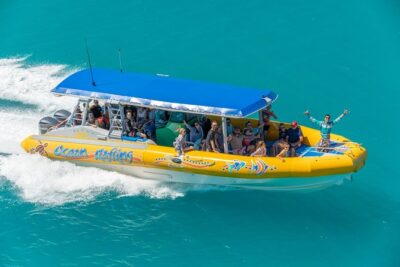
Ocean Rafting: Whitehaven Beach, Snorkelling & Hill Inlet Lookout
Read our review →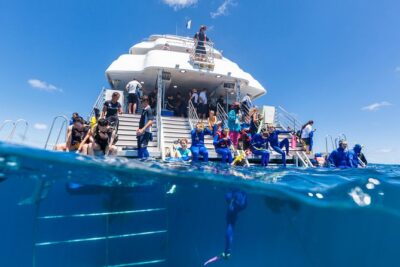
Great Barrier Reef Snorkeling and Diving Cruise from Cairns
Read our review →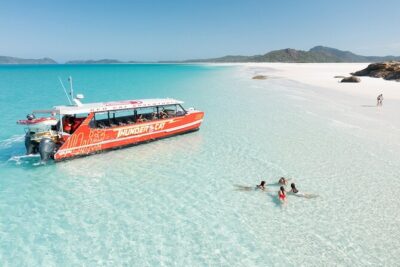
Whitehaven Beach and Hill Inlet Lookout Snorkeling Cruise
Read our review →
Airlie Beach: Snorkel, Hill Inlet Lookout & Whitehaven Beach
Read our review →
Ocean Freedom Great Barrier Reef Luxury Snorkel and Dive Cruise
Read our review →
Cairns: Premium Snorkelling and Diving Reef Day Trip
Read our review →
Cairns: Outer and Coral Cay Snorkel and Dive Cruise
Read our review →
Lists this trip appears on