Review · CAPE TOWN
Cape Town: Great African Sea Forest Guided Snorkel
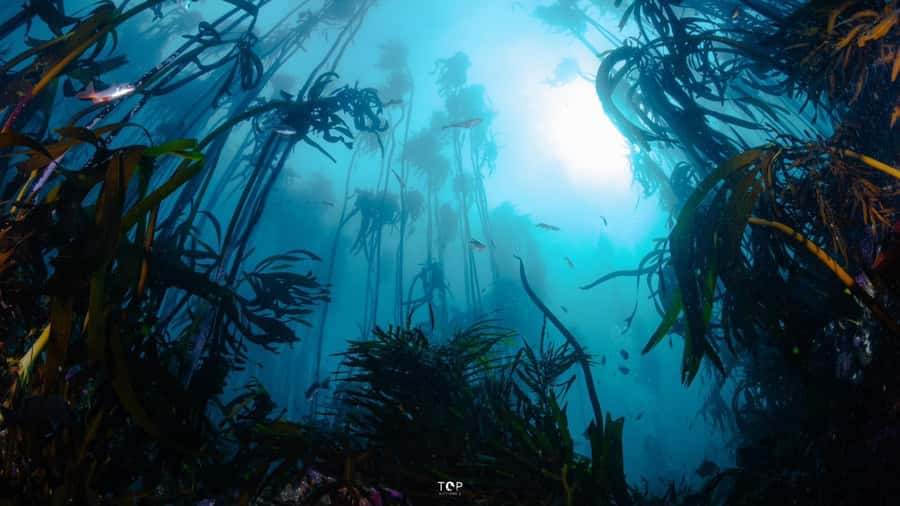
Cape Town’s Great African Sea Forest is not a coral reef with bright tropical fish. It is a swaying underwater world of kelp, sea urchins, shysharks, octopus, abalone, starfish, and other local life. The most meaningful part is that your time in the water can help marine scientists identify sharks through photographs.
I like the small groups, limited to eight, and the way the marine biology briefing gives you a reason to look closely instead of simply swimming past things. I also like that the tour includes equipment and underwater photos. The main drawback is that snorkeling here can be harder than in calm tropical water, especially if you want to see life below the surface.
Key points to know before booking
- Research is part of the outing: You help collect photo identification of an endemic shark species.
- The kelp forest is the main attraction: Expect tall kelp, rocky habitat, sea urchins, octopus, shysharks, and other False Bay species.
- Guides shape the experience: Marine scientists such as Mark, Danni, Danny, and Megan have led outings, though your guide may vary.
- Two hours is a compact session: The time includes the briefing, getting equipped, water time, and post-activity information.
- Surface swimming has limits: To see more of the seabed, you may need to swim through or below the kelp, depending on conditions and your comfort.
- The $74 price covers the essentials: A guide, wetsuit, mask, snorkel, fins, photos, and the conservation component are included.
Entering Cape Town’s Great African Sea Forest
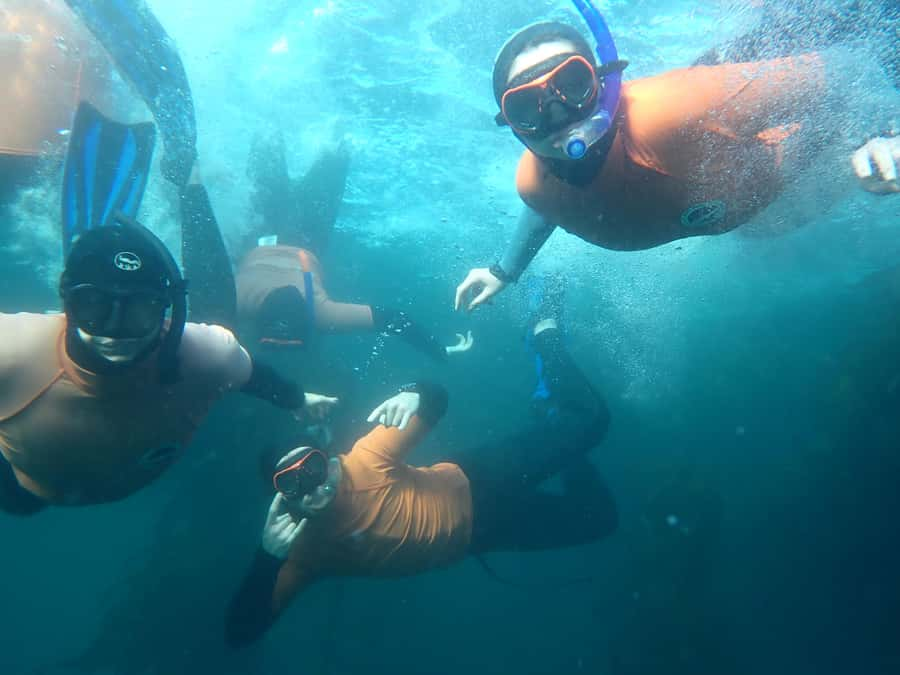
You meet inside Cape RADD Dive Center on the shore of False Bay. That setting matters. This is not a boat trip to an offshore reef. The activity takes place in the local sea forest, close to the False Bay shoreline, where the kelp creates shelter for a remarkable range of animals.
The session begins with an in-depth briefing from a marine biologist. You learn what to look for, how the research works, and how to behave around marine life. This preparation is more than a safety talk. It gives the outing a clear purpose and helps you understand why an ordinary-looking patch of kelp may be worth a closer look.
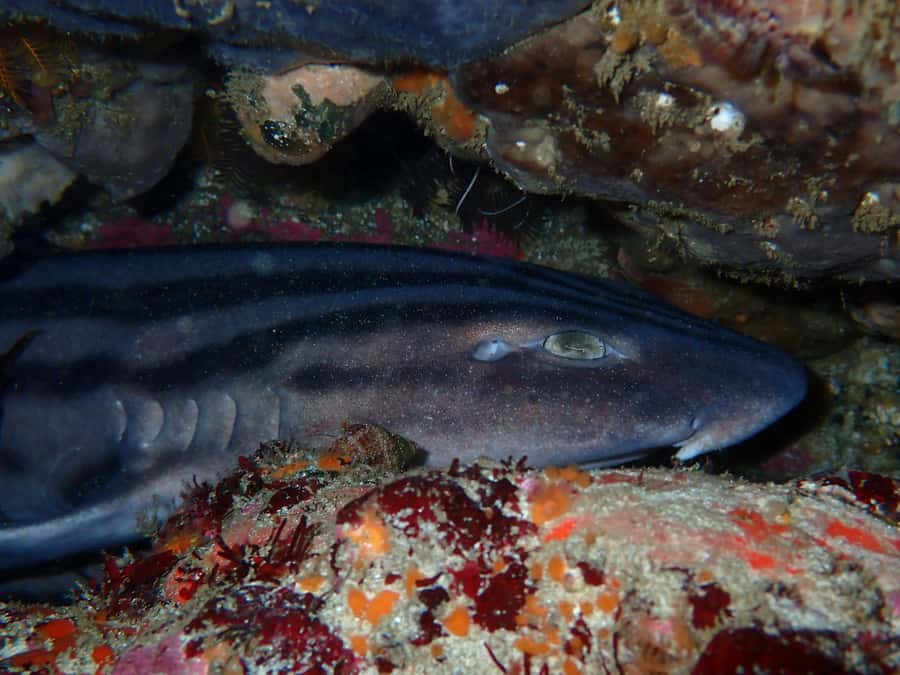
The guides explain details such as how octopus hunt, where shysharks tend to hide, and why sea urchins sometimes carry small objects on their backs. That last detail gives you a useful search task. Instead of scanning the water without a plan, you begin checking the rocks and kelp for small clues.
Guides named in recent outings include Mark, also known as Mark the Shark, along with Danni, Danny, and Megan. Names and guide assignments can change, but the format stays focused on marine science and careful observation.
More guided swims around the world:
- San Juan Guided Snorkel With Turtles Tour and Videos
★ 5.0 · 12,947 reviews - Dubrovnik: Sea Kayaking&Snorkelling Guided Day/Sunset Tours
★ 4.9 · 2,869 reviews - The ‘OG’ Manatee Snorkel Tour with In-Water Guide/Photographer
★ 5.0 · 2,539 reviews
Kelp, not coral, shapes the snorkeling
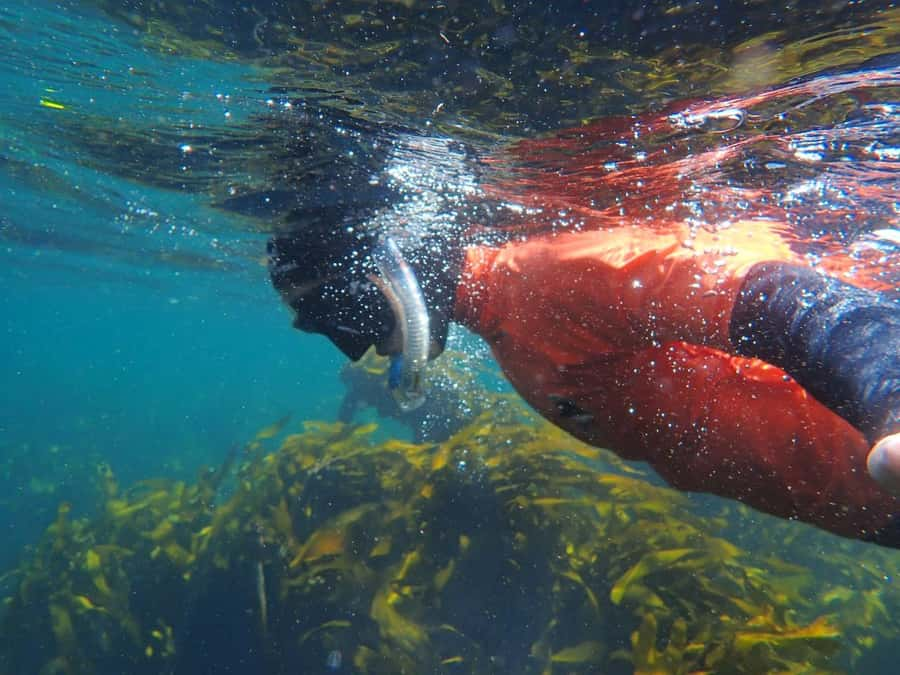
If your reference point is Indonesia, the Caribbean, or another tropical snorkeling destination, adjust your expectations. False Bay does not offer a coral reef. The scenery is made of kelp, rock, and open water, with long sea plants moving around you.
That difference is important. One four-star assessment pointed out that simply staying on the surface may reveal less of the seabed. To see more, you may need to move through gaps in the kelp or spend time lower in the water. You do not need a high level of fitness, but you should be able to swim or at least feel comfortable in the sea.
The conditions can also affect how much you see. One outing included plenty of small sea life but no sharks. Another group saw sharks, an octopus, and many other animals. Marine wildlife is not a guaranteed performance, so you should book this for the habitat and the research, not only for one target species.
The reward is a setting that feels very different from a standard snorkeling stop. The kelp rises and sways around you, and the animals are often tucked into the structure rather than displayed in open water. You may need patience and a guide’s trained eye.
Looking for shysharks, octopus, and urchins
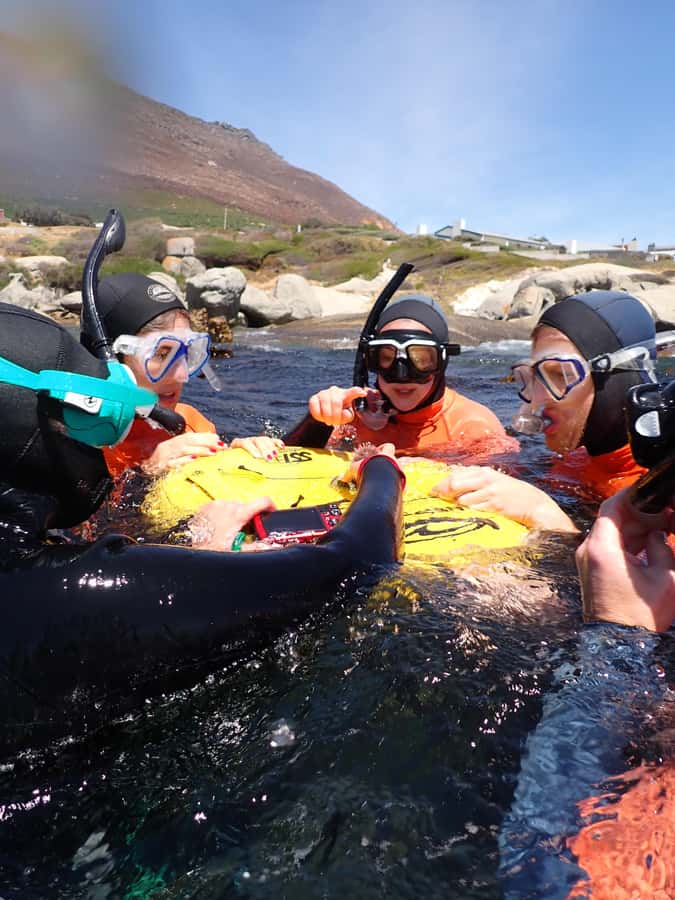
The tour’s animal list is unusually local. You might see sea urchins, starfish, abalone, octopus, shysharks, and other creatures associated with the False Bay ecosystem. The guides point out behaviors and hiding places, which makes the animals easier to understand.
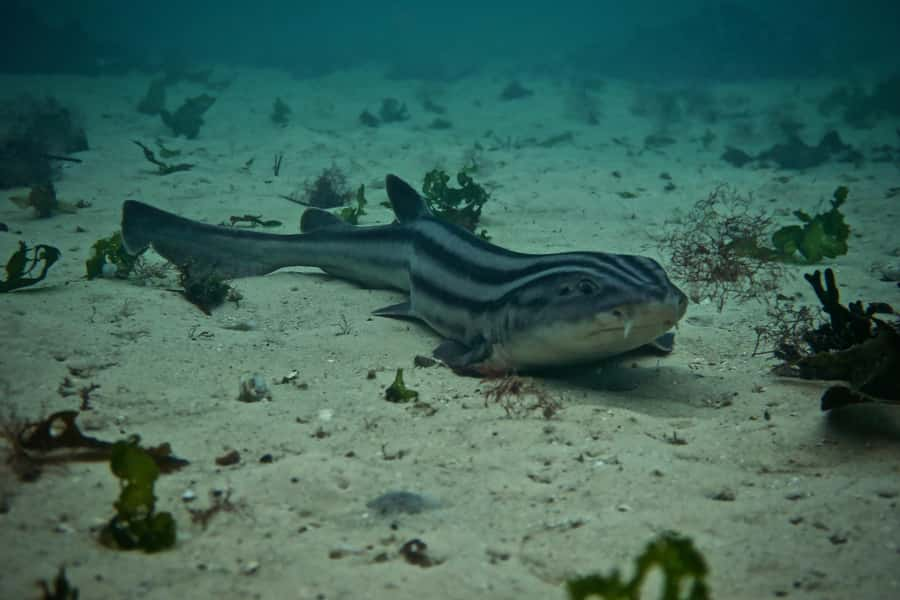
Shysharks are small, elusive sharks rather than the large species many people picture. Finding one is not guaranteed, but learning where they hide gives the search a clear purpose. The same is true of octopus. You might see one quickly, or you might only hear about its hunting behavior and look for signs of one among the rocks.
Sea urchins add another layer of interest. The briefing explains why they sometimes wear bits of shell, kelp, or other objects. Small observations like this are what make the trip work for people who enjoy natural history as much as swimming.
The guide’s role is central. Several sessions have been led by marine scientists who explain the ecosystem before entering the water and continue pointing things out during the snorkel. The best value here is not simply the chance to see an animal. It is learning what you are looking at.
Turning a shark sighting into useful research
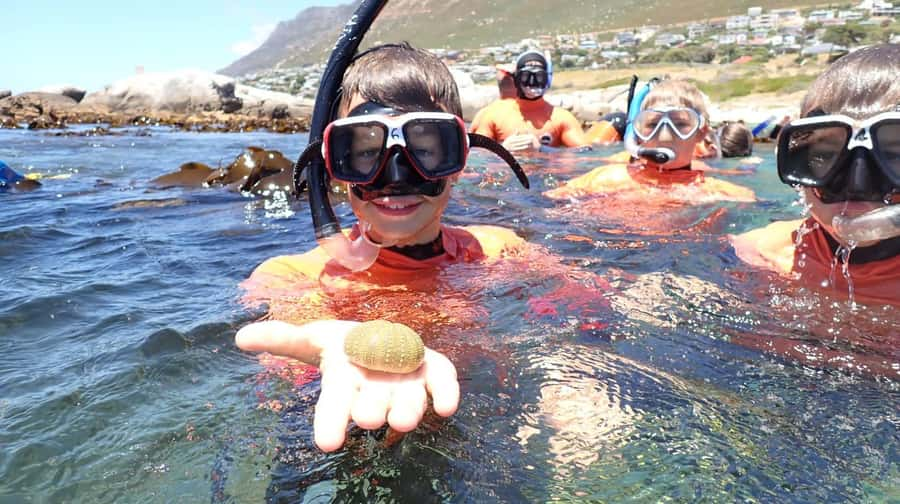
The conservation element gives this experience a purpose beyond sightseeing. You are asked to help with an ongoing shark research project by finding and collecting photo identification of a friendly endemic shark species.
In practical terms, this means looking for a shark and recording images that can help scientists recognize individual animals. You are not handling the sharks or carrying out technical research alone. The guide leads the process and explains what matters.
That direct connection is one of the strongest reasons to choose this outing. You get to see the local ecosystem while taking part in a real conservation effort. The work is simple enough for a visitor, but it gives your time in the water a useful outcome.
You also receive special access to the FinSpotter app, which helps you keep track of shark sightings. The activity names you an Ocean Ambassador in recognition of your assistance with marine research. Those details add a lasting link to the outing, instead of leaving you with only a quick memory and a few photos.
Do keep expectations sensible. Sharks are not guaranteed on every session. One outing produced sightings of several small animals but no sharks, while others included one of the little sharks under study. The research component remains worthwhile, but the wildlife results will depend on conditions and luck.
More snorkeling tours around the world:
- Oahu: Grand Tour Around Island 16 Locations plus Snorkeling
★ 5.0 · 8,669 reviews - Tenerife: Kayak and Snorkel with Turtles, Wetsuits Included
★ 4.6 · 7,215 reviews - ️Nusa Penida by Private Boat – Snorkeling 4 spots, Swim with Mantas + Land Tour
★ 5.0 · 6,424 reviews - Big Island Manta Ray Night Snorkel
★ 5.0 · 5,656 reviews
What the two-hour schedule feels like
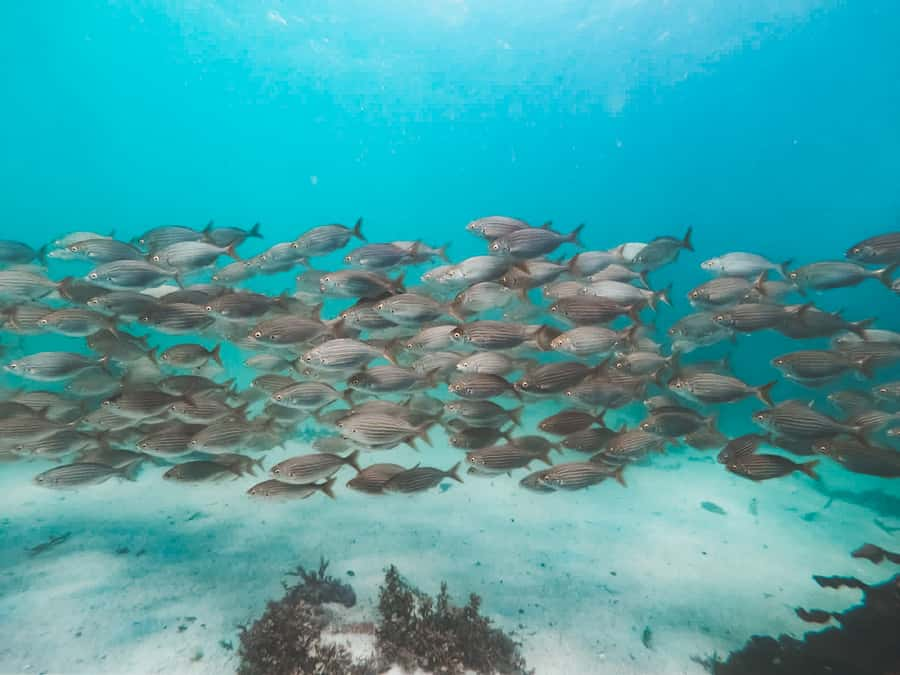
The advertised duration is two hours. That includes the briefing, equipment, the water session, and time around the activity itself, so you should not expect two full hours of nonstop snorkeling.
The briefing comes first. You receive information about the area, the ecosystem, the animals, and the shark project. This is also when you can get a sense of the water activity and ask questions before entering.
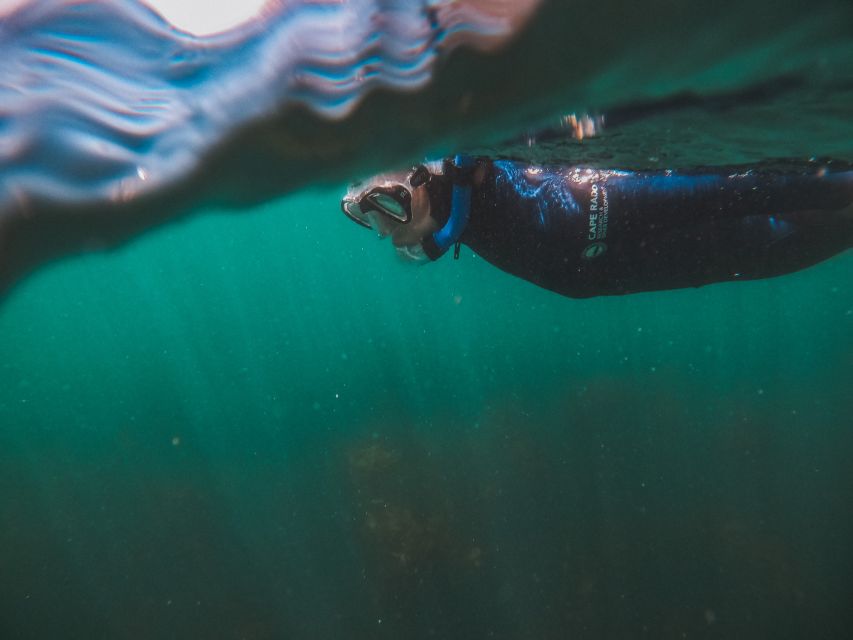
Next, you put on the supplied mask, snorkel, fins, and wetsuit. The equipment is included, which makes the $74 price easier to assess. You need to bring swimwear and a towel, but you do not need to arrange the main snorkeling kit yourself.
The group then moves into the water. One useful feature is the gradual introduction to the shallower area. It lets you settle into the equipment before looking for animals in deeper water. A participant who was comfortable swimming wanted more time in five to six meters of water, but also noted that the shallow start was helpful for easing in.
That balance explains why the outing can suit mixed groups. Stronger swimmers may wish for extra time in deeper water, while less confident participants may value the calmer introduction. The tour is not designed around speed or athletic performance.
Photos are included, both of the snorkeling experience and of marine life when conditions allow. They provide a useful souvenir and can help you remember what the guide identified in the kelp.
The real value of the $74 price
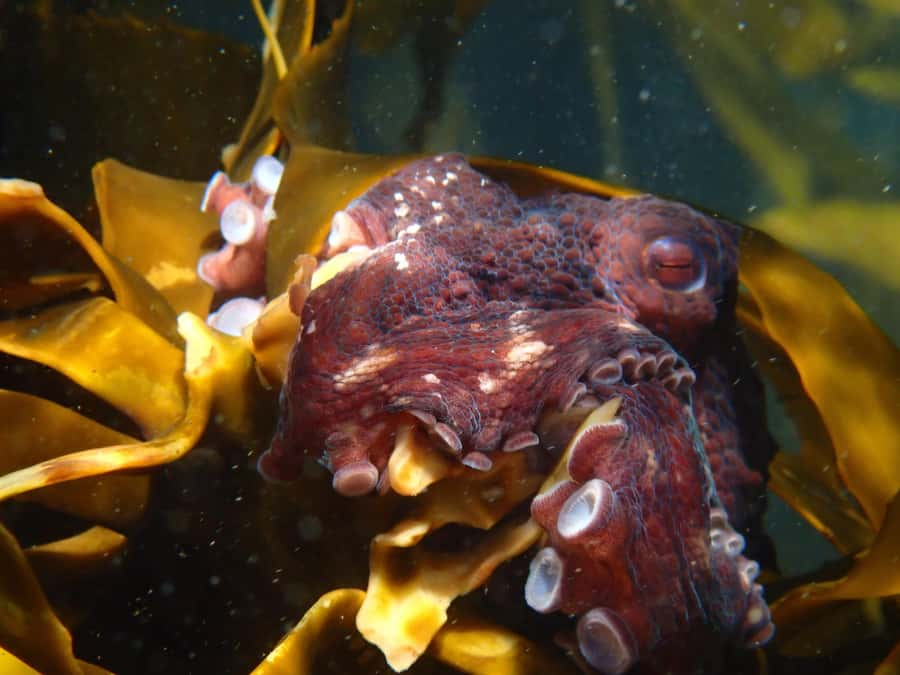
At $74 per person, this is not simply a rental of mask and fins for a swim. The price includes a marine biologist guide, a wetsuit, mask, snorkel, fins, photos, the briefing, and access to the shark research element.
That package compares well if you value instruction and conservation. You are paying for a small group of up to eight and for a guide who can spot animals that you might miss. You also avoid the cost and effort of arranging the equipment separately.
The value is less clear if you only want warm, easy surface snorkeling with guaranteed large animals. The kelp can make movement and visibility more demanding, and the tour cannot promise sharks or a particular species.
I would treat the price as fair for a specialist nature activity. The photos and research role add something tangible, while the small group keeps the outing from feeling like a crowded swim. The two-hour length also makes it easier to fit into a day around Cape Town.
Who should book this outing
This is a good choice for you if you enjoy marine life, local conservation, and learning from an expert while you are in the water. It is especially suited to people who would rather understand a habitat than tick off a list of large animals.
You should be comfortable in the water, even though the activity does not require a high fitness level. Surface swimming is possible, but you may see more by moving through the kelp and looking lower in the water. If you are uneasy in open water, say so during the briefing and follow the guide’s instructions.
The small group helps. With no more than eight participants, the guide can keep an eye on the group and point out animals without the session becoming chaotic. Good safety measures and calm instruction have helped less confident swimmers feel more at ease.
The activity is not suitable for children under 10, pregnant women, people with mobility impairments, or people over 95. It runs rain or shine, so weather can affect your comfort and the conditions you encounter.
Practical details that affect your day
The meeting point is inside Cape RADD Dive Center, on the shore of False Bay. English is the instructional language. Bring swimwear and a towel.
You receive the wetsuit and snorkeling equipment on site. One practical complaint involved a hot, uncomfortable black surface during a ride in the back of a truck when participants had no shoes. That detail may apply to a particular setup or transfer, but it is sensible to ask about footwear and the exact movement between the center and water.
Plan this as a weather-dependent nature activity, even though it operates in rain or shine. Water conditions and visibility can shape the experience more than the calendar date. If you have flexibility, keeping an eye on the forecast and sea conditions is wise.
You can cancel up to 24 hours ahead for a full refund, and you can reserve now and pay later. Those policies help if your Cape Town schedule is still changing.
Should you book the Great African Sea Forest Snorkel?
Book it if you want a guided look at False Bay’s kelp ecosystem and like the idea of helping with shark research. The combination of marine biology, small-group instruction, included equipment, photos, and local conservation gives the outing more substance than a basic snorkeling rental.
Skip it if your perfect snorkel means tropical coral, guaranteed sharks, or effortless surface swimming. The kelp requires a different approach, and you may need to look below the surface to get the most from it.
For the right person, this is one of Cape Town’s more purposeful water activities. You leave with a better sense of the sea forest, a chance of seeing a small shark or octopus, and a direct role in recording the animals that live there.
FAQ
Where does the snorkeling tour meet?
You meet inside Cape RADD Dive Center on the shore of False Bay in the Western Cape.
How long does the activity last?
The activity lasts two hours, including the marine biology briefing, equipment preparation, snorkeling, and related research activities.
What equipment is included?
A mask, snorkel, fins, and wetsuit are included. Photos are also included.
What should I bring?
Bring swimwear and a towel.
Do I need to be a strong swimmer?
You need to be able to swim or at least feel comfortable in the water. The activity does not require a high fitness level.
Are sharks guaranteed?
No. Shark sightings depend on conditions and wildlife activity. The tour includes a chance to assist with research on an endemic shark species, but sightings are not guaranteed.
What other animals might I see?
You might see sea urchins, octopus, shysharks, starfish, abalone, and other marine life in the kelp forest.
How many people are in each group?
The tour is limited to eight participants.
Who cannot take part?
The activity is not suitable for children under 10, pregnant women, people with mobility impairments, or people over 95.
New snorkel trips around the world
- Palma de Mallorca: Palma Bay Boat Tour with Snorkeling★ 4.4 · 440 reviews
- Panglao: Snorkeling at NapalingReef with Sardines Experience★ 4.7 · 14 reviews
- Palma de Mallorca: Private Boat Tour with Snorkel and Paddle★ 5.0 · 117 reviews
- Pamilacan island: Dolphins, snorkel, lunch and walking tour★ 4.3 · 8 reviews
- Palermo: Shared Tour with Snack and Snorkeling★ 4.9 · 582 reviews
- Palermo: Full-Day Snorkeling Boat Tour with Lunch and Wine★ 5.0 · 196 reviews
- Palermo : Tour condiviso in barca con Aperitivo e Snorkeling★ 4.9 · 100 reviews
- Ozzy Snorkeling 3 Islands Visit Baby Turtles★ 4.3 · 37 reviews
Snorkeling Tours, side by side.
San Juan Guided Snorkel With Turtles Tour and Videos
Read our review →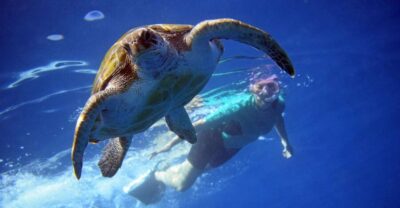
Tenerife: Kayak and Snorkel with Turtles, Wetsuits Included
Read our review →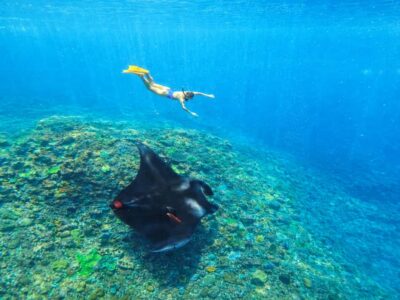
Nusa Penida by Private Boat – Snorkeling 4 spots, Swim with Mantas + Land Tour
Read our review →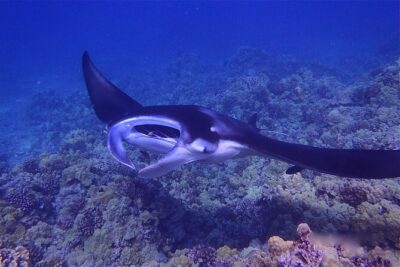
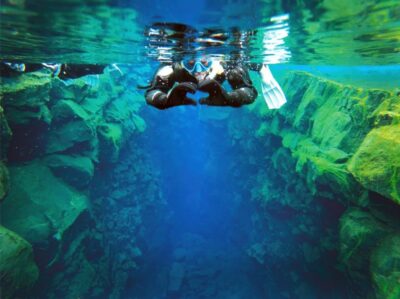
Silfra: Snorkeling Between Tectonic Plates – Meet on Location
Read our review →
Ocean Rafting: Whitehaven Beach, Snorkelling & Hill Inlet Lookout
Read our review →
Gran Canaria: Catamaran Dolphin Watch Cruise with Snorkeling
Read our review →