
Review · USA
Crystal River: Manatee Snorkel Tour w/ In-Water Photographer
The main draw here is simple: you get into the water with wild manatees near Three Sisters Springs, rather than watching them from shore or behind glass. The experience starts with a useful classroom briefing, then moves by covered pontoon boat into a 600-acre refuge where the animals gather in warm water, especially during colder months. The small group and careful wildlife rules make this feel personal without turning the encounter into a free-for-all.
I like two things in particular. First, the crew puts passive interaction at the center, so the manatee decides how close to come. Second, you get a proper wetsuit, mask, snorkel, bottled water, and flotation help if needed. The main catch is that manatees are wild: warm weather, cloudy water, recent storms, or boat traffic can mean fewer animals and weaker visibility. Book for the experience, not a guaranteed head count.
Key points to know before you book
- Early morning gives you the best odds: Cold weather brings more manatees into the warm springs, and the 7:30 am departure has been especially productive.
- The boat carries no more than 10 people: That gives you more room in the water and makes it easier for the guide to keep an eye on everyone.
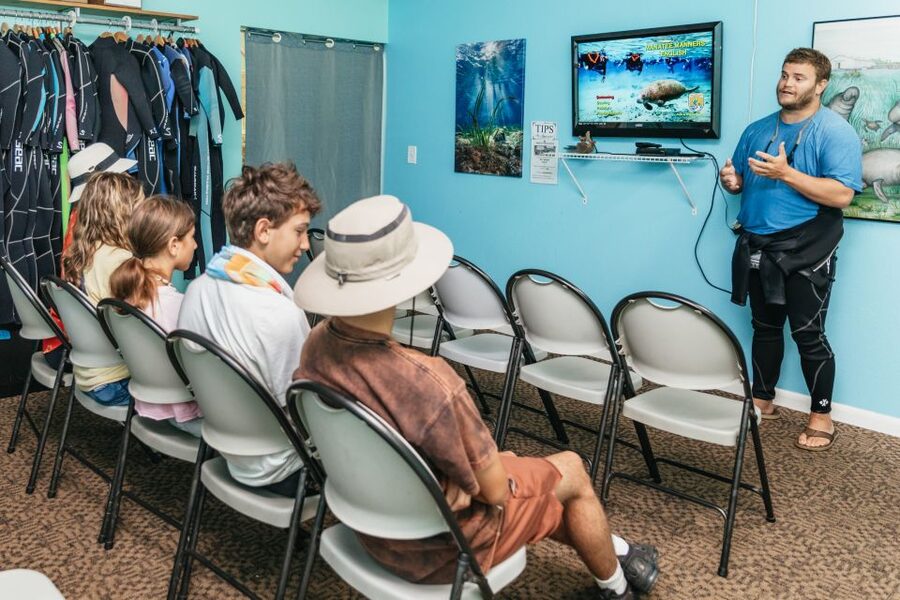
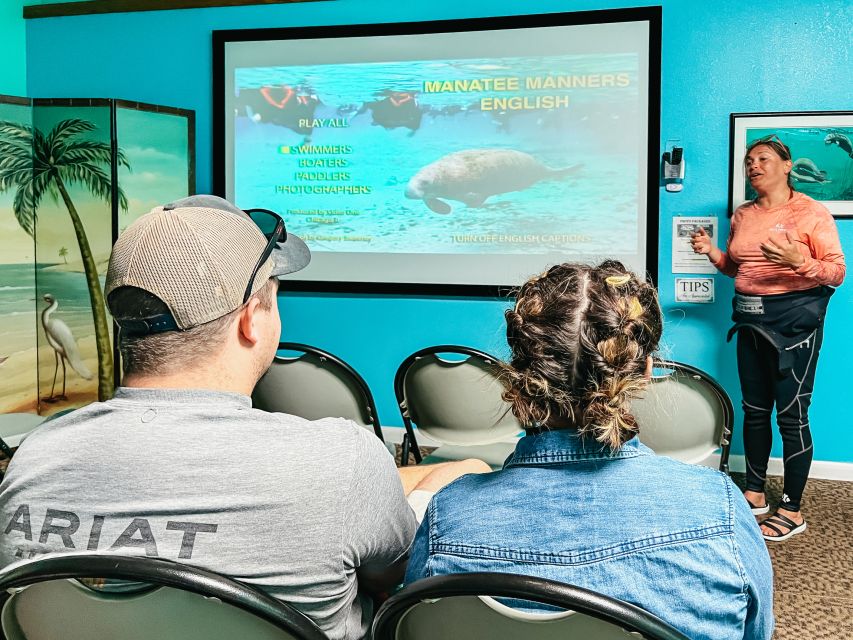
- The 25-minute briefing matters: You learn how to float quietly, avoid touching or chasing the animals, and let them choose the interaction.
- Three Sisters Springs is the main prize: The water can look cloudy elsewhere, then become clearer and warmer near the springs.
- Photos cost extra: An in-water photographer may capture your swim, but the picture package is not part of the $87 price.
- Children need close supervision: Anyone under 18 needs an adult, and children must be comfortable in the water. Children under 3 are not suitable unless you book a private boat.
Meeting the crew at Kings Bay
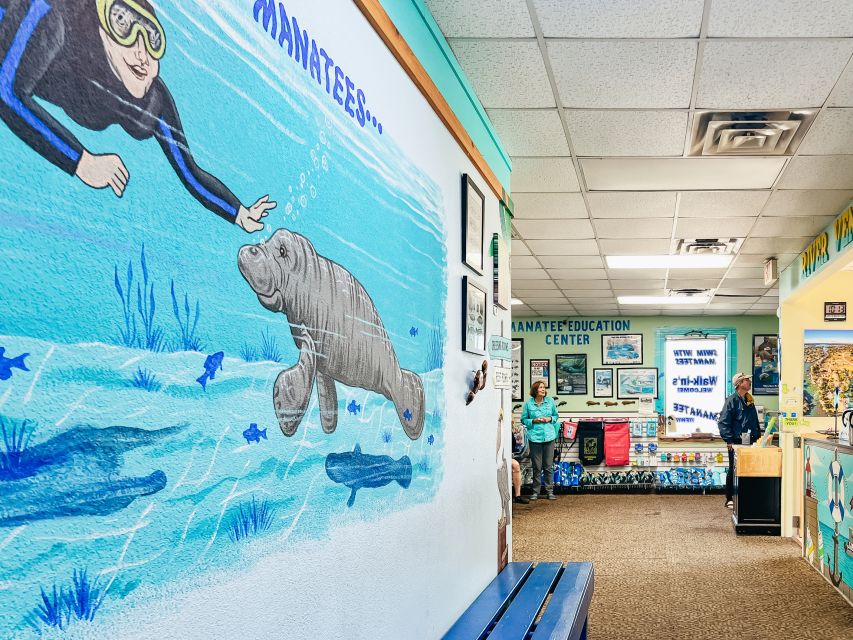
You meet at River Ventures, 498 SE Kings Bay Drive, in the River Ventures tour center. Parking is included, which is useful in a busy recreation area where finding a place for your car can otherwise add one more worry to the morning.
The base works as your staging area and your return point. Before the boat leaves, you can have coffee, tea, or water, use the facilities, and get set for the water. Bring your swimsuit and towel. The operator supplies the wetsuit, mask, snorkel, and bottled water.
The group limit of 10 is one of the better features here. A smaller group means less time waiting for equipment and fewer swimmers competing for the guide’s attention. It also helps when the captain is positioning the boat and the in-water guide is trying to give everyone a good, respectful look at a manatee.
The crew changes from trip to trip, but named team members have included captains Melissa, Brian, JJ, Kelly, Tanner, and Jason, along with guides such as Natalie, Carlos, James, Mike, Dave, and Ed. The repeated pattern is a two-person team: one captain handling the boat and local setting, and one guide staying focused on instruction and the animals. That division of work is useful once you are in the water.
More manatee swims around the USA:
- The ‘OG’ Manatee Snorkel Tour with In-Water Guide/Photographer
★ 5.0 · 2,539 reviews - Guided Small Group Manatee Snorkeling Tour with In-Water Photographer
★ 5.0 · 1,336 reviews - Exclusive Small Group VIP Heated Manatee Snorkel Tour
★ 5.0 · 1,023 reviews
Why the 25-minute briefing is more than a formality
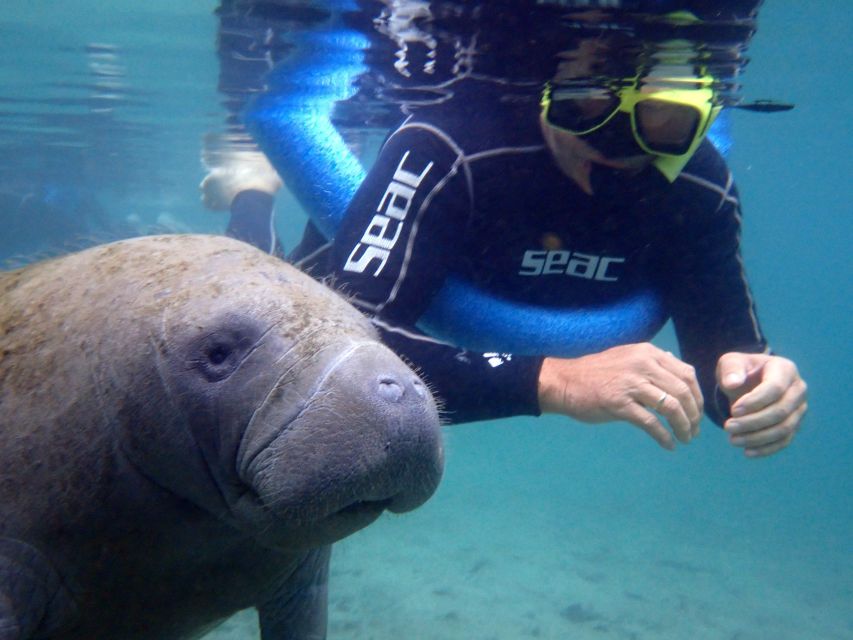
The first formal part of the trip lasts about 25 minutes and has a classroom feel. You learn basic manatee behavior, what to expect in the water, and the rules for passive interaction.
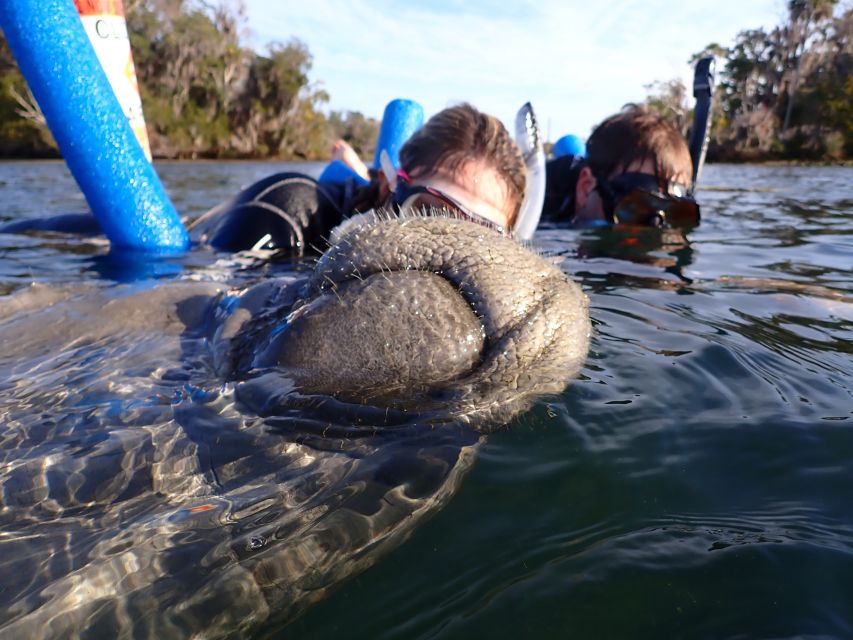
That phrase is central to the whole outing. You do not grab, chase, ride, block, or force contact with a manatee. Instead, you remain calm and let the animal approach if it wishes. A curious manatee may come near, roll beneath you, or pause in the clear spring water. It may also ignore you completely. Both outcomes are normal.
I appreciate this approach because it changes the mood from a wildlife photo hunt to a quiet encounter. It also gives children and first-time snorkelers a clear job: stay still, listen to the guide, and watch what the animal chooses to do.
The briefing is also where you should ask about your own comfort in the water. Wetsuits come in all sizes, and snorkel vests and flotation noodles are available for children or anyone who needs help staying at the surface. You do not need to be an expert swimmer, but you should be comfortable in the water. Parents must stay close to their children throughout the swim.
Riding the covered pontoon boat to the springs
After the briefing, a short five-minute transfer takes you to the boat area. The covered pontoon boat then carries you through the Kings Bay area toward the Crystal River National Wildlife Refuge and the spring sites.
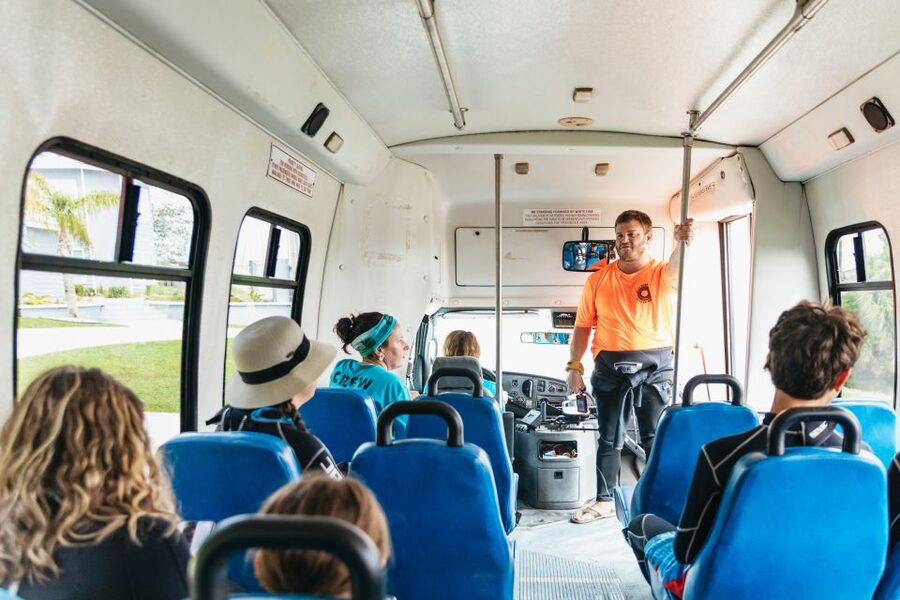
The ride is part of the experience, not just transport. You can watch for birds, fish, and other wildlife around the water while the captain explains the area and why it matters to manatees and other species. Captain Tanner, for example, has been praised for explaining how the area formed and why it is important to wildlife.
The covered boat is a practical choice in Florida. It gives you shade while you wait and some shelter from sun or changing weather. It also leaves space for you to sit, listen, and watch the water before getting into a wetsuit.
The ride from base to the refuge is short, but the total refuge portion takes about two hours and 25 minutes. That is enough time for the captain to look for manatees and for the guide to give everyone a chance in the water. The exact route and time at each spot depend on where the animals are found that day.
Swimming with manatees near Three Sisters Springs
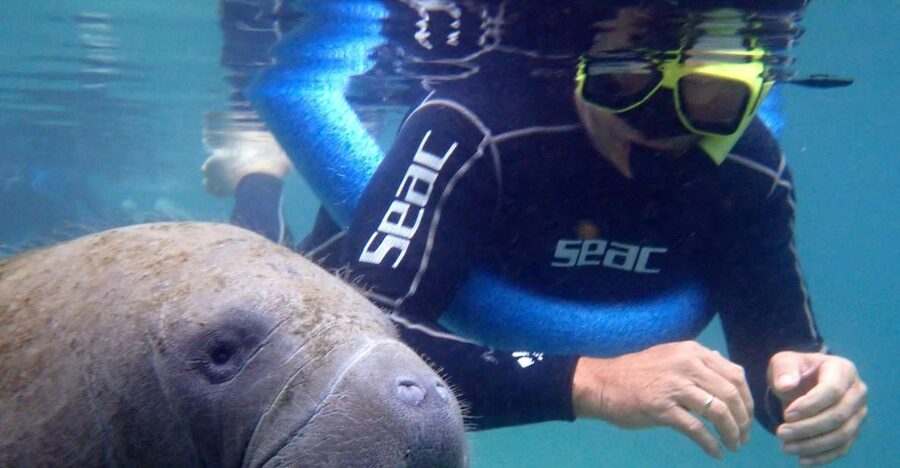
The boat enters the 600-acre refuge, where manatees gather in warm spring water during cooler periods. Three Sisters Springs is the main focus, and the closer you get to the springs, the better the water may look. Several people have noted that water farther from the spring can be cloudy, while the spring area is warmer and clearer.
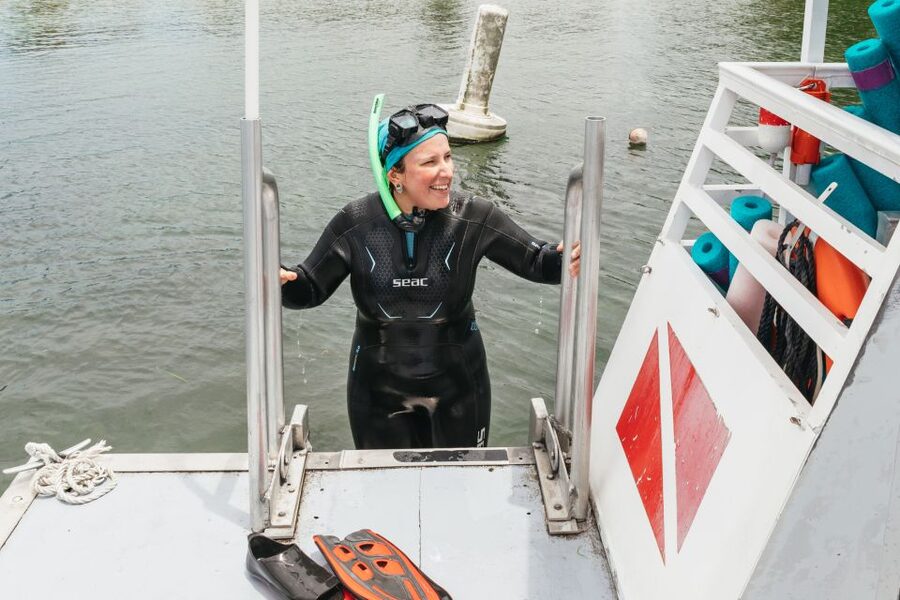
Once you are ready, the in-water guide helps you enter and explains how to move. Your job is to keep your body relaxed, avoid sudden splashing, and give the manatees room. The guide also works to spread the group out so each person has a fair view without crowding the animals.
This is not a staged animal encounter. On a strong winter morning, you might see a dozen manatees, as one 7:30 am outing did. Other trips have included five animals, seven or eight animals, a mother and calf, and even a nursing mother. On a less favorable day, you might see only one, or have difficulty spotting animals in cloudy water.
The experience can change sharply with the season. Cold weather usually means more manatees near the warm springs. When the weather warms, they can move away into other parts of the area. The crew can search, but it cannot control the animals’ migration.
That is why I would plan this tour around your interest in wildlife rather than a promise of a perfect photograph. You may end up floating above a manatee as it passes beneath you. You may watch one from the boat instead. Either way, the guide’s instructions help keep the animal’s welfare ahead of the camera.
Some outings have also included fish, birds, a turtle, and even dolphins near the boat. Those sightings are incidental, so treat them as a bonus rather than part of the guarantee.
More snorkeling tours around the USA:
- Oahu: Grand Tour Around Island 16 Locations plus Snorkeling
★ 5.0 · 8,669 reviews - Big Island Manta Ray Night Snorkel
★ 5.0 · 5,656 reviews - Oahu’s Ultimate Tour: Dole, Turtle Snorkel, Pali Lookout & More
★ 4.5 · 5,461 reviews - Oahu Circle Island Tour with Turtle Snorkeling— Small-Groups
★ 5.0 · 5,214 reviews
Water temperature, visibility, and the real swimming conditions
The water is not always warm simply because Florida is warm. One late December trip had water around 54 degrees Fahrenheit, and several people found the first few minutes cold. The wetsuit makes the swim manageable, but you should still expect a chilly entry on a winter morning.
The spring water may feel warmer than the surrounding water. That temperature change helps explain why manatees gather there in cold weather, and it can make the final part of the swim more comfortable.
Visibility also shifts. A storm or hurricane can stir up the water for days, and ordinary boat traffic can cloud it. One useful tip is to choose an early departure. The water may be less disturbed, and the animals are more likely to be near the springs before the area becomes busier.
If you are hoping to use your own full-face mask, one person specifically recommended bringing one. The supplied mask and snorkel are included, but fit and comfort are personal. If you already own equipment you trust, it may be worth packing it, while still checking with the crew before use.
The in-water photographer and photo package
The title of this experience includes an in-water photographer, which is important for anyone hoping to take home more than memories. The photographer works around the group while you watch the manatees, giving you a chance to purchase images afterward.
The picture package is not included in the $87 tour price. Treat it as an optional add-on, not part of the base value. If you want photographs, ask how the package works before you enter the water so you understand the extra cost.
The photographer also cannot make a wild animal appear or guarantee a close-up. Clearer water, a calm manatee, and good positioning all matter. For many people, the photos may be worth paying for, especially if you do not want to handle a camera while wearing a mask and managing your position in the water.
What the $87 price buys you
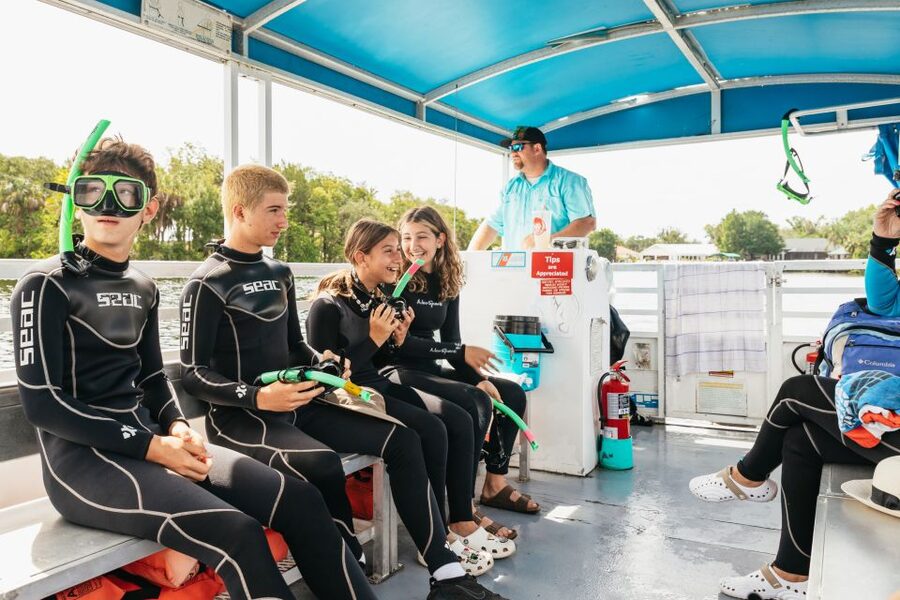
At $87 per person, the tour offers a solid amount for a three-hour outing. You get parking, a covered boat ride, a Coast Guard-certified captain, an instructor, a wetsuit, mask, snorkel, bottled water, and access to a small group capped at 10 people.
The value is strongest if you plan to swim. A boat ride alone would give you a view of the refuge, but the water portion is what makes this different from a standard wildlife cruise. The instruction also matters. You are not simply handed a mask and sent toward the animals. You receive guidance on safety, swimming, and passive interaction first.
The price does not include photos, and there is no promise that you will see a certain number of manatees. That makes the tour less appealing if your only goal is a guaranteed close encounter. It makes more sense if you value a properly managed wildlife experience and accept the normal uncertainty that comes with wild animals.
Free cancellation up to 24 hours before departure and the option to reserve now and pay later add useful flexibility. Starting times vary, so check the available departure when booking. The 7:30 am trip is a smart choice if it fits your schedule.
Who will enjoy this tour most
This suits couples, families with older children, and anyone who wants an active wildlife outing without spending a full day on the water. The 10-person limit is especially helpful for people who dislike large group excursions.
Children can take part if they are comfortable in the water and can stay calm and quiet around the animals. A noisy or restless child may scare a manatee, so parents should be realistic about that. Children under 18 need an adult with them, and anyone under 3 is not suitable on the shared tour. A private boat is required for children under 3.
You should also consider your tolerance for cold water and uncertain visibility. If you need warm, clear water and a guaranteed animal encounter, this may frustrate you. If you can accept changing conditions and enjoy learning how to behave around wildlife, it offers a far more meaningful experience.
After the swim at River Ventures
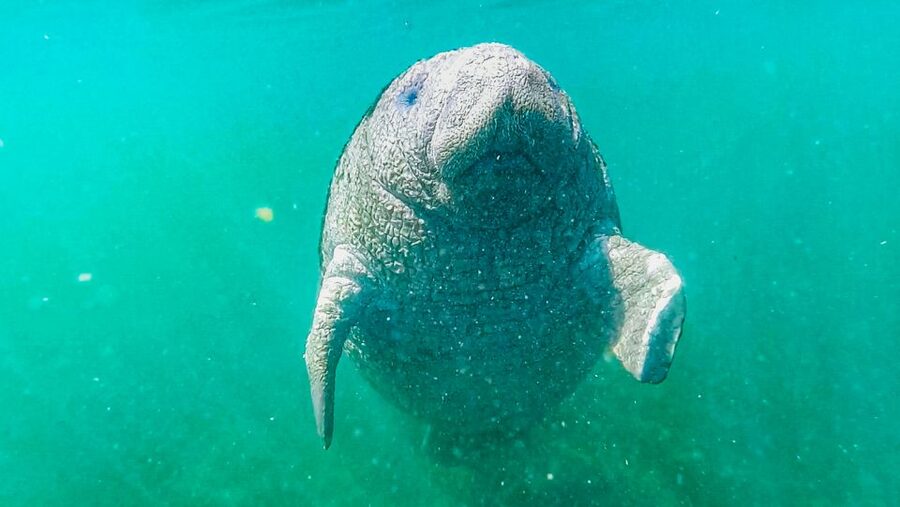
The boat returns to the River Ventures base, where you can warm up, have coffee or tea, and browse the gift shop. Staff can also suggest other things to do around Kings Bay, along with nearby restaurants and attractions.
This final stop is brief, but it gives you time to settle down after the swim and decide if you want the photo package or a souvenir. It also helps you turn the three-hour outing into part of a larger day in Crystal River instead of treating it as an isolated activity.
Should you book the Crystal River manatee tour?
I would book it if you want a small-group, hands-on wildlife experience and understand that the manatees set the schedule. The strongest plan is a cold-season morning, ideally early, with a towel, swimsuit, and realistic expectations about water temperature and visibility.
The tour is a particularly good match for families with water-ready children, first-time snorkelers who want instruction, and photographers who are willing to pay extra for in-water images. I would skip it only if you dislike cold water, cannot supervise children closely, or need a guaranteed number of animals.
The best days can include a mother and calf, several manatees circling the springs, clear water, and a guide such as Natalie or Carlos helping you stay calm and respectful. The quieter days still offer the refuge, the boat ride, and a lesson in responsible wildlife viewing. At $87, that combination is fair, provided you see the price as payment for access, equipment, staff, and care, not a ticket to a guaranteed animal performance.
FAQ
How long does the manatee snorkel tour last?
The experience lasts three hours. About 25 minutes are used for the class and safety briefing, followed by a short transfer and roughly two hours and 25 minutes in the Crystal River National Wildlife Refuge.
What equipment is included?
The tour includes a mask, snorkel, wetsuit, bottled water, and parking. Snorkel vests and flotation noodles are available if children need help staying at the surface.
Are photographs included in the price?
No. An in-water photographer is part of the experience, but the picture package costs extra and is not included in the $87 price.
Can children join the tour?
Children under 18 must be accompanied by an adult, and children must be comfortable in the water. Very young children need to remain calm and quiet around the manatees. Children under 3 are not suitable for the shared tour and require a private boat.
When is the best time to see manatees?
Cold weather generally gives you the best chance because manatees gather near the warm springs. Early morning is also recommended. In warmer weather, the animals may move away from the springs, so sightings can be less predictable.
What should I bring?
Bring swimwear and a towel. You may also bring a full-face mask if you have one you prefer, though the tour supplies standard snorkeling equipment.
New snorkel trips around the USA
- Oahu Snorkeling with Turtles, Water Scooter, Paddleboard★ 4.5 · 23 reviews
- Oahu: Waikiki Turtle Snorkeling Adventure Cruise★ 4.6 · 248 reviews
- Oahu: North Shore Snorkeling Tour from Haleiwa★ 4.7 · 57 reviews
- Oahu: Waikiki Turtle Snorkel Sail★ 4.7 · 103 reviews
- Oahu: Snorkeling & Dolphin Watch Cruise w/ Luau Style Buffet★ 4.8 · 10 reviews
- Oahu: Hilton Hawaiian Village Snorkel Tour★ 4.6 · 19 reviews
- Oahu: North Shore Cageless Shark Snorkeling Tour★ 4.9 · 177 reviews
- Swim with Wild Dolphins Oahu Speedboat Snorkeling Adventure!★ 4.5 · 49 reviews
USA Snorkeling Tours, side by side.
Waikiki, Hawaii: Turtle Canyon Snorkel Excursion
Read our review →
Shell Island Snorkel and Dolphin Catamaran Cruise with Island Time
Read our review →
Turtle Canyon Snorkel Adventure in Waikiki, Oahu
Read our review →
The ‘OG’ Manatee Snorkel Tour with In-Water Guide/Photographer
Read our review →
Big Island: Kona Manta Ray Snorkel Tour in Keauhou Harbor
Read our review →
Big Island: Captain Cook Snorkel On A Power Catamaran With Lunch
Read our review →
Maui Snorkeling Adventure to Molokini and Turtle Town
Read our review →Lists this trip appears on