
Review · REYKJAVIK
Silfra Drysuit Snorkeling with Free Photos – Meet on Location
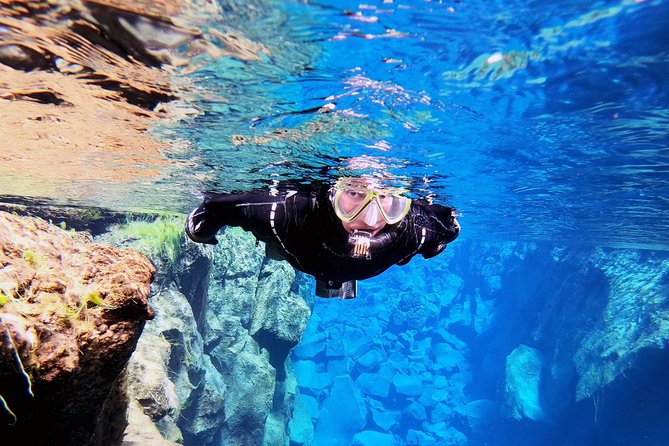
Silfra is one of Iceland’s strangest and most memorable adventures: you float through a freshwater fissure at Thingvellir National Park, with the North American and Eurasian tectonic plates on either side. The water is so clear that the rocky channel can seem to stretch at least 100 meters ahead.
I like the small groups of up to six and the steady attention from guides such as Anil, Hugo, Niko, Klaudyna, and Oliver. I also like that underwater photos and equipment are included, so you can focus on staying calm and looking around. The catch is simple: cold water and an awkward drysuit make this more demanding than an ordinary snorkel.
Key points to know before booking
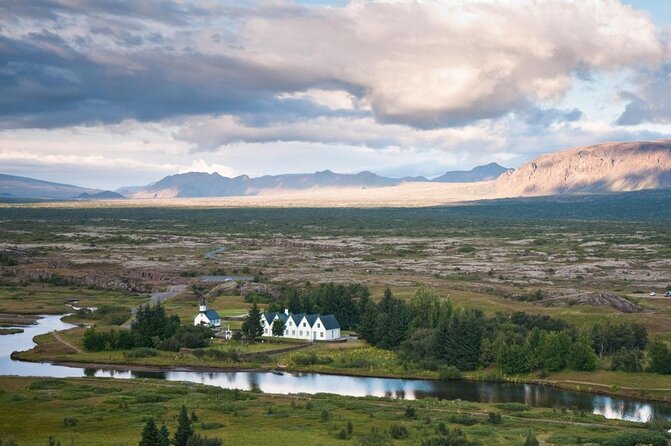
- Silfra is a freshwater fissure between tectonic plates inside Thingvellir National Park, a UNESCO World Heritage Site.
- About 40 minutes are spent in the water, with the full activity taking roughly three hours.
- PADI-certified guides lead each group, and no prior certification is needed.
- Drysuits, masks, snorkels, fins, gloves, and other equipment are included, along with underwater photos.
- The water stays close to freezing, so expect cold hands and possibly a wet head or minor leakage.
- You must know how to swim, feel comfortable in water, communicate in English, and meet the stated age and size limits.
What makes Silfra worth the cold
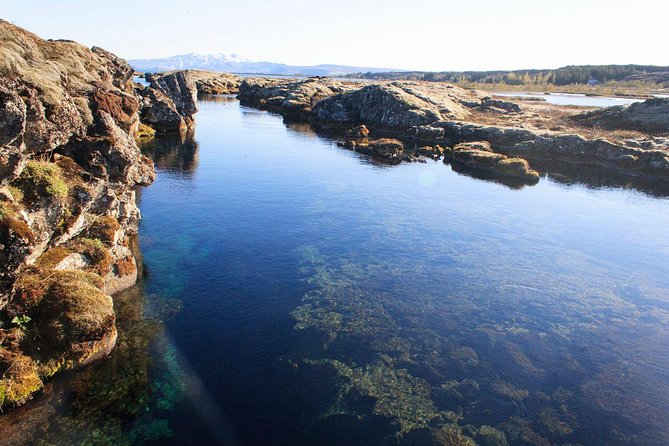
The main reason to book this activity is not the physical challenge. It is the strange feeling of floating through a geological boundary. Silfra formed as the tectonic plates gradually pull apart, and the fissure fills with exceptionally clear freshwater filtered through underground lava.
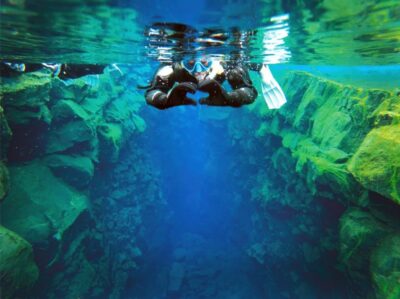
From the surface, the setting is stark and beautiful. Underwater, the view is even more unusual. You see pale rock, narrow channels, blue-green water, and a clean line of sight that is hard to compare with normal snorkeling. The water feels less like a tropical reef and more like a quiet flight through a submerged canyon.
You do not need scuba certification. The activity is conducted at the surface with a mask and snorkel, and the guide stays with the group. That makes Silfra accessible to a wide range of capable swimmers, although the cold and the suit can make movement feel slow.
I especially value the setting. You are not being taken to an artificial attraction or a tank. You are entering a real fissure inside one of Iceland’s most important national parks. The geology is the point, and it gives the outing a sense of place that a standard snorkel trip cannot match.
More snorkeling tours around Iceland:
- Silfra: Snorkeling Between Tectonic Plates – Meet on Location
★ 5.0 · 5,001 reviews - Silfra Snorkeling Between Continents Photos Included- Self Drive
★ 5.0 · 3,427 reviews - Silfra: Fissure Snorkeling Tour with Underwater Photos
★ 4.9 · 2,731 reviews
Meeting at Thingvellir National Park
You meet Adventure Vikings at Silfra Adventure, at Thingvellir National Park, around 50 kilometers from Reykjavik. This is a meet-on-location activity, so you arrange your own way to the park.
Give yourself time to arrive without rushing. The activity includes several steps before you reach the water, and being late can make an already chilly morning more stressful. Eat breakfast first. You will be outside, active, and dressed in equipment for a good part of the morning.
Thingvellir is part of the attraction. It is a UNESCO World Heritage Site with major geological and historical importance, and Silfra is one of its most unusual features. If you have time around the activity, the park deserves more than a quick stop at the meeting point.
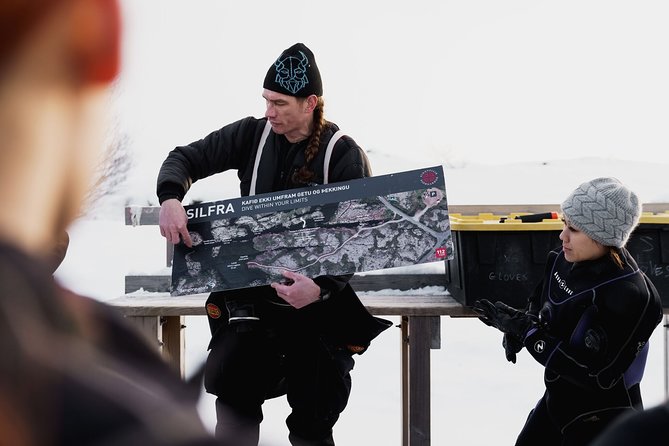
Once you check in, you meet your guide, complete the required paperwork, and go through the medical form. The guide explains how the equipment works and covers the basic safety rules. All participants must be able to communicate in English, which matters when the guide is giving instructions about the mask, breathing, body position, and what to do if you need help.
Getting into the drysuit
The preparation period is a large part of the activity. You use a heated changing van to put on your own base layers and the thermal clothing supplied by the operator. The drysuit itself is bulky, and the guide helps you put it on correctly.
This is not the time to wear jeans or shoes with heels. Wear long thermal underwear and thick wool socks under the suit. Bring waterproof outer clothing for the time before and after the snorkel, plus a complete change of clothes in case the suit leaks.
A drysuit should keep most of your body dry, but it is not a guarantee. A few people have reported minor leaks, and one serious equipment problem resulted in a participant leaving the water. The operator says suits are checked and maintained, but you should still understand that a small chance of getting wet exists.
Your neck and wrists are sealed carefully. This can feel tight and restrictive, especially if you have never worn a drysuit. The suit also affects how easily you move. It is not difficult in the usual sense, but it can feel clumsy while you are learning how to position your body.
The guide then supplies the hood, gloves, mask, snorkel, and fins. The fitting takes time because the equipment has to work properly in very cold water. The preparation may feel slow, especially in winter, but careful fitting is one of the most important parts of the activity.
The safety briefing and walk to the fissure
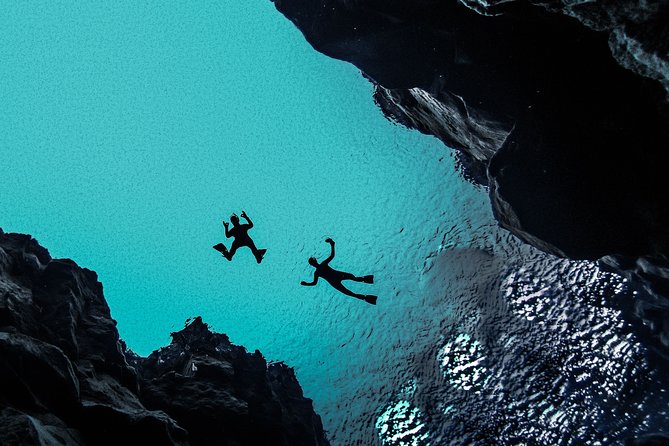
Before entering the water, your guide explains how to breathe through the snorkel, keep your body stable, and move without fighting the drysuit. The briefing usually takes around 10 to 15 minutes.
This is also when you should speak up. If your mask feels wrong, your neck seal is uncomfortable, or you are nervous about the water, tell the guide before you reach the entry point. Guides such as Anil, Hugo, Wilmar, Niko, and Klaudyna have been praised for checking on people and helping them settle down.
Each guide handles one group of up to six people. Several groups may be at the site at the same time, and there can be a short wait at the entry platform. During busy periods, you might wait outside in cold weather while equipment is sorted and groups enter in turn.
The walk to the entry point takes only a few minutes, but moving in a drysuit, hood, gloves, mask, and fins is not graceful. Take it slowly. Once at the water, the guide checks the mask and helps you get into position.
Same coast, another way to get in the water:
- Reykjavík: Silfra Fissure Snorkeling between Two Continents
★ 4.7 · 1,712 reviews - Silfra: Snorkeling Between Tectonic Plates Pick Up from Reykjavik
★ 5.0 · 1,187 reviews - Silfra: Half-Day Snorkeling Day Trip with Underwater Photos
★ 4.8 · 1,155 reviews - Silfra: Snorkeling Tour Between Tectonic Plates
★ 4.8 · 720 reviews
About 40 minutes in water close to freezing
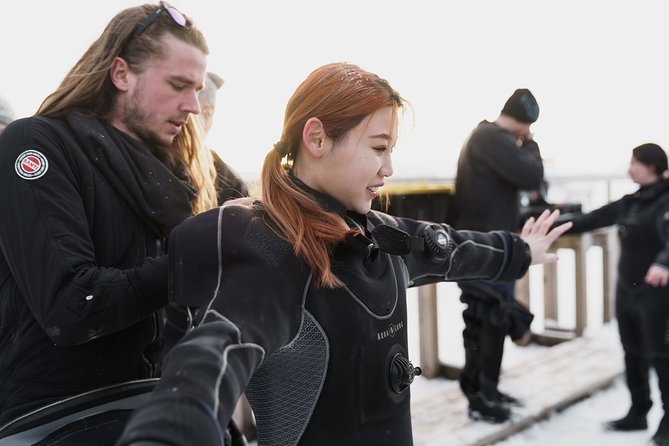
The water temperature is about 2 degrees Celsius, or roughly 35 degrees Fahrenheit. That sounds severe, but the drysuit makes the experience manageable for most people. Your face and hands are the parts most likely to feel the cold, and your fingers and feet may become numb toward the end.
Your first reaction may be to tense up. Try to breathe slowly and let the guide help you find a comfortable rhythm. Several people have found that the initial shock passes after a few minutes. Others remain cold throughout, especially in the hands and feet.
The water is calm and clear, but snorkeling still requires effort. You are moving through a long fissure rather than drifting over a shallow beach. The drysuit adds buoyancy and makes turning or changing direction feel less natural. If you are not a strong or confident swimmer, this is not the right place to test your limits.
The guide leads from the front and keeps watch over the group. You can signal if you need help. One guide quickly assisted a participant who panicked while wearing the mask, helping her regain control of her breathing. That kind of immediate support is important in a setting where cold water and a tight mask can feel overwhelming.
The underwater scenery is the payoff. Silfra has several sections, including narrow channels and broader areas where the visibility opens up. You see rock formations, clear water, and the fissure itself. The famous plate-boundary idea is interesting, but the visual experience is what stays with you.
The stated water time is about 40 minutes. In practice, it may be closer to 30 or 45 minutes depending on the group, entry queue, and conditions. The full activity is advertised at about three hours because most of that time goes into fitting equipment, briefing, walking, changing, and waiting.
Free photos are a useful part of the package
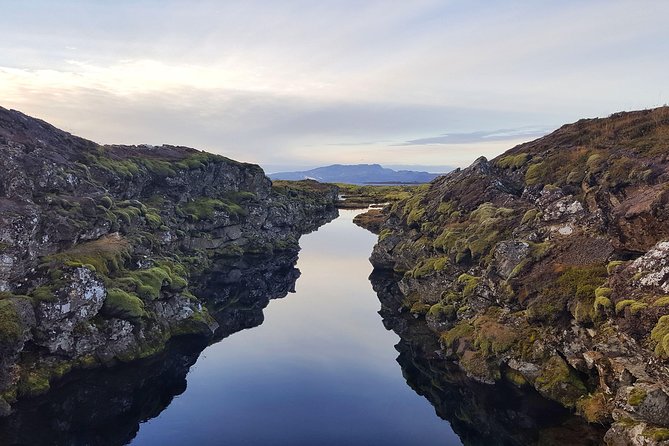
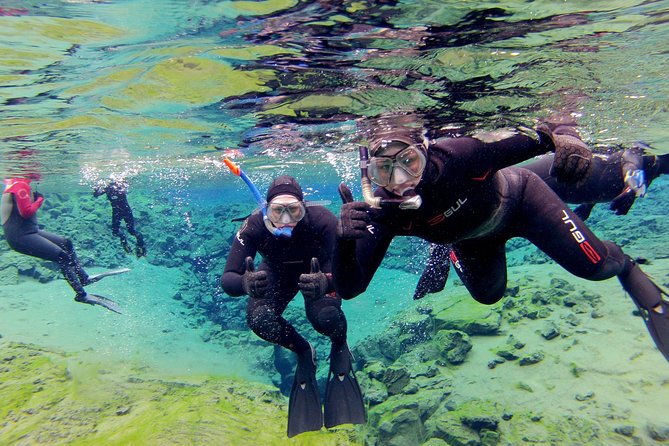
The guide carries a camera or GoPro and takes photos during the activity. This is a real benefit. Your hands are occupied, and taking your own camera into the cold water would add another problem.
The photos are not just a paid extra offered after the fact. They are included, and the guide explains how to access them at the end. Guides including Hugo, Anil, Edgar, and others have been praised for taking plentiful group and individual pictures.
Photo quality can depend on light, water conditions, group position, and how still you are. Keep your expectations sensible. You are receiving useful memories of a difficult activity, not a private professional photo shoot.
When the guide signals for a picture, try to relax and look toward the camera. The best images usually show the narrow fissure, the clear blue water, and your full snorkel setup. The photos also prove just how unusual the setting is, which is helpful when friends at home assume you merely went swimming in Iceland.
Getting warm afterward
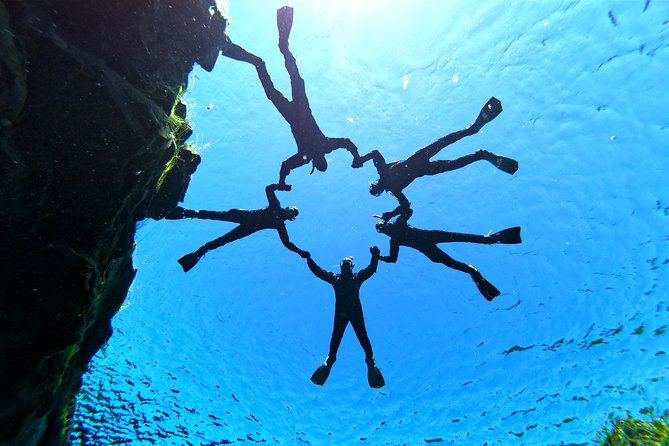
After leaving the water, you walk back to the changing area. Removing the equipment can be as awkward as putting it on, and your fingers may be stiff. Guides assist with the gloves, hood, straps, and suit, then help you get back into the heated changing van.
A cup of hot chocolate is served at the end. It is a modest touch, but it makes sense here. After cold hands and a long equipment process, a warm drink feels useful rather than decorative.
You should still bring dry clothes and dress for the weather. The hot chocolate does not replace proper layers, and winter conditions can make the period before and after the water more uncomfortable than the snorkel itself.
Drysuit or wetsuit?
This activity uses a drysuit, but the operator also offers a separate wetsuit option. The choice matters.
A drysuit is the safer fit for someone who is less confident in cold water or swimming. It covers most of your body and helps you stay warm, though it feels bulky and restrictive. Your head and hands remain exposed enough to feel the cold.
A wetsuit may suit a confident swimmer who wants greater freedom of movement or hopes to submerge farther. It is also suggested for scuba divers without the certifications needed for a scuba activity. You should not choose it simply because the word wetsuit sounds easier. You will be colder and more exposed to the water.
People with claustrophobia may find the drysuit uncomfortable around the neck and wrists. A wetsuit can be a better choice in that case, but you still need to be comfortable swimming in cold water. Contact the operator if you are unsure which option fits your ability and comfort level.
Price, group size, and overall value
At $140 per person, the price is reasonable for a specialized Iceland activity, provided you want the full package. You are paying for the guide, equipment, safety instruction, underwater photos, and a small group rather than simply renting a mask and entering the water.
The six-person maximum per guide is important. The guide can keep the group together, help with equipment, and respond quickly when someone needs assistance. Up to three groups may be present, so the site itself can still feel busy, particularly during popular periods.
Book well ahead if Silfra is a priority. This activity is often reserved about 44 days in advance. Early morning may help with queues, though the timing will not remove every wait. One useful tip is to ask your guide about entry lines, since a queue at the platform can add time in the cold.
The value is weaker if you expect a long swim or an easy three-hour sightseeing outing. The actual water time is around 40 minutes, and the rest involves preparation. The value is stronger if you want an unusual geological experience, appreciate a careful guide, and would otherwise need to arrange cold-water equipment and photography yourself.
Who should book this Silfra snorkel?
You should consider it if you:
- Know how to swim and feel comfortable in open water.
- Want a memorable activity close to Reykjavik.
- Are interested in geology and Iceland’s tectonic setting.
- Can tolerate cold hands and a restrictive suit.
- Prefer a guided activity with equipment and photos included.
- Are healthy enough for cold-water exertion and can complete the medical form.
The minimum age is 12. Participants must be at least 150 centimeters tall and 50 kilograms, and no taller than 200 centimeters or heavier than 120 kilograms. Anyone over 65 needs physician approval. You must provide age, height, and weight details to the operator.
Do not wear glasses in the mask. Use contact lenses or bring your own prescription mask if you have one. You should also avoid booking if you have serious concerns about tight clothing, enclosed sensations, or swimming in cold water.
Should you book it?
Book this Silfra experience if you want one of Iceland’s most distinctive activities and accept that the water time is only part of the outing. The clear fissure, tectonic setting, attentive guides, included photos, and small groups make the price worthwhile.
Skip it if you dislike cold water, struggle with swimming, or want a relaxed attraction with little physical effort. If you decide to go, eat breakfast, arrive prepared for winter weather, wear thermal layers and wool socks, and bring dry clothes. The drysuit may feel awkward, but careful preparation gives you the best chance of enjoying the remarkable view below the surface.
FAQ
How long does the Silfra snorkeling activity take?
The full activity takes approximately three hours. About 40 minutes are spent in the water, while the rest covers check-in, changing, safety instruction, walking, possible waiting, and warming up afterward.
Do I need snorkeling or scuba certification?
No certification is required. A PADI-certified guide leads the activity, but every participant must know how to swim and feel comfortable in water.
Is the snorkeling equipment included?
Yes. The activity includes the drysuit, snorkeling equipment, and other required gear. Long thermal underwear and thick wool socks are recommended as base layers, but clothing suitable for the weather is not included.
How cold is the water?
The water is close to 2 degrees Celsius, or about 35 degrees Fahrenheit. The drysuit helps keep your body warm, but your hands, feet, head, or face may feel cold.
What are the age and size requirements?
The minimum age is 12. Participants must be between 150 and 200 centimeters tall and weigh between 50 and 120 kilograms. Anyone over 65 must obtain physician approval.
Are photos included, and what happens if the weather is poor?
Underwater photos are included, and the guide explains how to access them after the activity. If poor weather causes the tour to be canceled, you can choose another date or receive a full refund. You may cancel for a full refund up to 24 hours before the start time.
New snorkel trips around Iceland
- Iceland: Silfra Snorkeling Tour and Sky Lagoon Spa Combo★ 4.9 · 63 reviews
- Reykjavík: Golden Circle and Silfra Snorkeling Combo Tour★ 4.5 · 130 reviews
- From Reykjavík: Silfra Snorkeling with free photos★ 4.7 · 39 reviews
- From Reykjavik: Silfra Snorkeling with Free Photos★ 4.8 · 590 reviews
- From Reykjavík: Golden Circle Tour and Silfra Snorkeling★ 4.8 · 298 reviews
- Silfra: Leidarendi Lava Caving & Snorkeling Tour with Photos★ 4.8 · 26 reviews
- Silfra: Snorkeling Tour Between Tectonic Plates★ 4.8 · 720 reviews
- Silfra: Half-Day Snorkeling Day Trip with Underwater Photos★ 4.8 · 1,155 reviews
Reykjavik Snorkeling Tours, side by side.
Silfra: Snorkeling Between Tectonic Plates – Meet on Location
Read our review →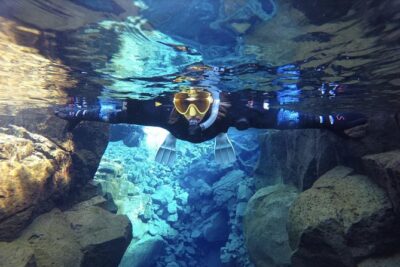
Silfra Snorkeling Between Continents Photos Included- Self Drive
Read our review →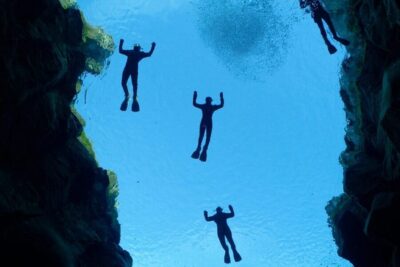
Reykjavík: Silfra Fissure Snorkeling between Two Continents
Read our review →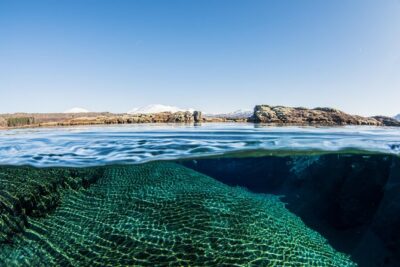
Silfra: Snorkeling Between Tectonic Plates Pick Up from Reykjavik
Read our review →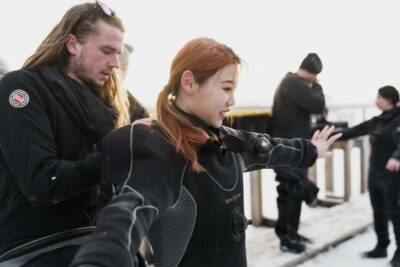
From Reykjavik: Silfra Snorkeling with Free Photos
Read our review →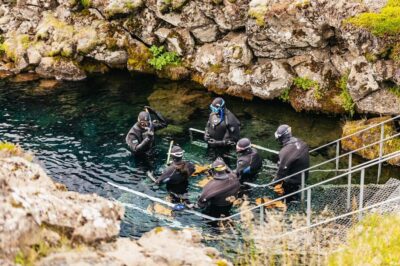
From Reykjavík: Golden Circle Tour and Silfra Snorkeling
Read our review →From Reykjavík: Silfra Snorkeling with free photos
Read our review →
Silfra: Leidarendi Lava Caving & Snorkeling Tour with Photos
Read our review →Lists this trip appears on