
Review · COSTA RICA
Half-Day Snorkeling Experience in Tamarindo
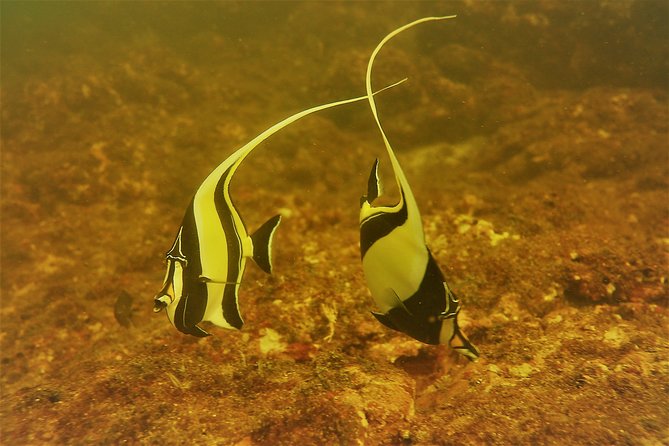
The real attraction here is the chance to reach the Catalina Archipelago, about 45 minutes offshore, where the water can hold far more than the usual beach snorkeling. On a lucky morning, you might see rays, eels, turtles, dolphins, octopuses, reef sharks, or whales from the boat.
I like the two separate snorkeling sessions, which give you more time in the water and a second chance if the first site is cloudy. I also like the patient guides, especially Lily, Lili, and Clara, who help nervous swimmers, adjust masks, and keep the group together.
The catch is the sea itself. Wind and swell can make the boat ride rough and visibility poor, and several people have become seasick. This is an offshore snorkeling trip shared with scuba groups, not a calm, shallow-water outing.
Key points to know before you book
- The Catalina Archipelago is the main target: When wind prevents the crossing, the boat heads to Cabo Velas instead.
- Two guided water sessions: A guide accompanies the snorkeling group and may use a noodle or floating aid when conditions are rough.
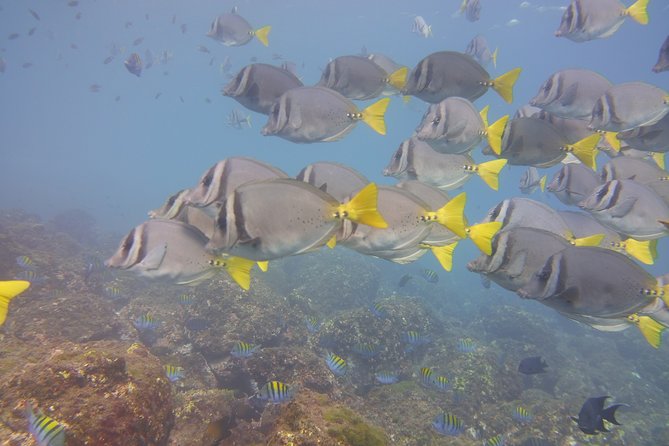
- Wildlife is never guaranteed: Fish are common, but rays, dolphins, turtles, whales, and sharks depend on the day and the sea.
- The morning starts early: Meet at Tamarindo Diving Center at 6:40 am and return around noon.
- The trip serves snorkelers and scuba divers: You may share the boat with several divers, though the snorkeling group has its own guide.
- Motion sickness matters: Bring any preferred medication, keep your eyes on the horizon when needed, and be ready for a bumpy ride.
Reaching the Catalina Archipelago from Tamarindo
This is a full morning on the Pacific, not a quick swim from Tamarindo Beach. You meet at Tamarindo Diving Center at 6:40 am, at 200 meters east of El Chiringuito on Calle Cruz.
The staff fits you with a mask, snorkel, and fins before taking you down to the beach. A small boat carries you from shore to the larger boat, so expect a short transfer rather than a direct walk onto the main vessel.
Once aboard, the ride to the Catalina Archipelago takes about 45 minutes. That crossing is part of the experience. You may spot dolphins, flying fish, turtles, seabirds, or, during migration periods, whales. Binoculars can help, though they are not listed as part of the equipment.
The boat has shade, and the crew provides water and snacks. You should still bring a towel, sunscreen, hat, and jacket. Early mornings on the water can feel cool, while the sun becomes strong once you are outside Tamarindo.
The ride can also be rough. January and February are noted as particularly windy, and large swells have made some outings uncomfortable. If you are prone to seasickness, take your usual precautions before leaving shore. A full stomach is not always helpful, but going without any food can also be unpleasant, so use your own experience as a guide.
More half-day snorkel trips around the world:
- Half-Day Sea Turtle and Cenote Snorkeling Tour from Cancun & Riviera Maya
★ 5.0 · 2,039 reviews - From Phi Phi: Half-Day Longtail Boat Tour with Snorkeling
★ 4.2 · 1,733 reviews - Half-Day Trip from Key West with Kayaking, Snorkeling & Sunset
★ 5.0 · 1,683 reviews
What the two snorkeling sessions are like
The plan includes two water sessions, with both groups accompanied by guides. This is important if you are new to snorkeling or lack confidence in open water. Guides such as Lily, Lili, and Clara have helped people with mask problems, stayed close to children, and escorted tired swimmers back to the boat.
The sessions are not necessarily in calm water. You may be swimming around rocky island formations with swell moving beneath you. One person can find the first site manageable and the second much rougher, so keep some energy in reserve.
A pool noodle or similar flotation aid may be offered when the water is choppy. It can help you rest, but you should still be comfortable in the sea. One useful habit is to avoid turning your head too much, pause to look at the horizon if you feel sick, and tell the guide early if you need help.
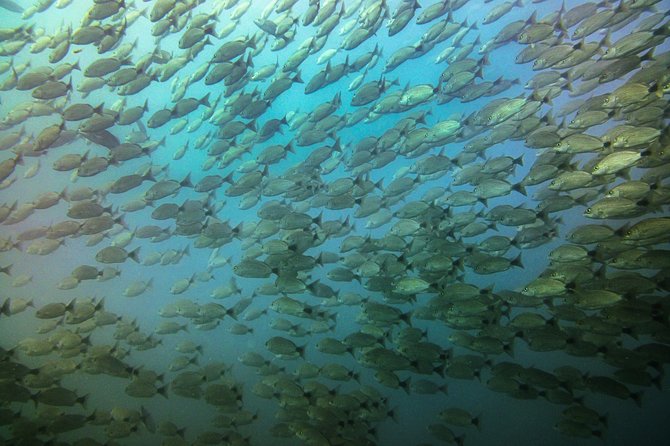
The guide’s role adds real value. Instead of simply dropping you into the water, the guide can point out schools of fish, eels, puffer fish, rays, and other animals that are easy to miss. On especially good days, people have seen manta rays, eagle rays, octopuses, white-tipped reef sharks, dolphins, and even whales from the boat.
At the same time, no guide can control visibility or wildlife. Plankton can make the water murky, and rough conditions may limit how long you can stay in one spot. One morning may bring a memorable parade of rays, while another may offer only smaller fish.
A snorkeling trip that shares space with scuba groups
The boat serves both snorkelers and scuba divers. That arrangement has advantages and drawbacks.
The advantage is a larger, well-organized boat operation with a crew used to managing people in the water. The snorkeling group generally has its own guide, and group sizes described on recent outings have been manageable, sometimes around eight snorkelers alongside a larger scuba group.
The drawback is that snorkeling is not always the main activity for everyone aboard. Some outings have had roughly three-quarters scuba divers and one-quarter snorkelers. The boat may wait while divers prepare or complete their sessions, and the overall rhythm can feel more like a mixed marine trip than a snorkeling-only charter.
That does not mean snorkelers are ignored. The strongest reports describe guides who stayed with the snorkeling group, maintained a steady pace, and made sure beginners were comfortable. Still, if you want a small private snorkeling boat focused only on your party, this is not that product.
The maximum group size is 15 people, though the total boat arrangement can include the scuba group. Ask at booking if the makeup of the group matters to you.
Wildlife is the reward, but conditions set the terms
The Catalina area is appealing because it can produce larger sightings as well as ordinary reef fish. People have encountered colorful schools, eels, puffer fish, stingrays, eagle rays, manta rays, turtles, dolphins, octopuses, and white-tipped reef sharks.
Whales are a possibility during migration, especially from the boat rather than while snorkeling. You might see them on the way out or back, but whale sightings are not promised.
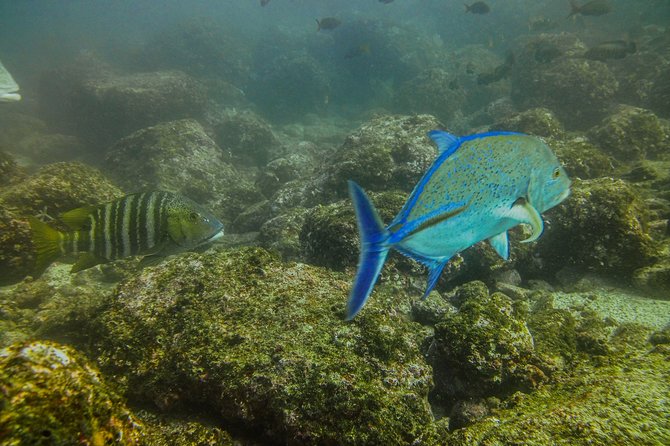
The sea is not an aquarium. Strong swell can stir the bottom and reduce visibility. Some mornings have offered clear views of fish despite rough water, while other outings have been too cloudy or turbulent for comfortable snorkeling at the second site.
That uncertainty is worth accepting if you care about a genuine ocean outing rather than guaranteed photo conditions. I would book this for the chance to see wild animals in an offshore setting, not because every session will be calm or crystal clear.
Photography is another variable. Guides may take underwater photos, but you should not assume that images will be provided afterward. Bring a waterproof phone case only if you can secure it properly. A loose phone is easy to lose when you are sitting at the front of a moving boat.
More snorkeling tours around the world:
- San Juan Guided Snorkel With Turtles Tour and Videos
★ 5.0 · 12,947 reviews - Oahu: Grand Tour Around Island 16 Locations plus Snorkeling
★ 5.0 · 8,669 reviews - Tenerife: Kayak and Snorkel with Turtles, Wetsuits Included
★ 4.6 · 7,215 reviews - ️Nusa Penida by Private Boat – Snorkeling 4 spots, Swim with Mantas + Land Tour
★ 5.0 · 6,424 reviews
The crew makes the biggest difference for beginners
The guides receive the strongest praise for this experience. Lily and Lili are repeatedly singled out for helping first-time snorkelers, identifying sea life, and keeping the group together. Clara is also noted for responding to different swimming abilities and offering assistance when someone became seasick.
That support matters because open-water snorkeling feels different from a calm beach swim. You are several miles offshore, the boat is moving beneath you, and breathing through a snorkel can feel awkward at first.
Children and adults who are unsure in the water can receive hands-on help, but you should still have a moderate level of physical fitness. The minimum age is 8, the maximum age is 80, and children must be accompanied by an adult.
The experience is also suitable for confident older swimmers who want an active morning. You may spend about two hours in the water across the two sessions, depending on conditions. Rough water can make that feel like a workout.
Service animals are allowed, and the meeting point is near public transportation. The activity returns to the same meeting point around noon.
Is $95 a fair price?
At $95 per person, the price is reasonable if you value the boat ride to offshore sites, professional guidance, equipment, snacks, and two snorkeling sessions. You are not paying for a short swim near the beach. You are paying for transport to the Catalina area and a crew that handles the equipment and water logistics.
The included gear is useful if you did not bring your own mask and fins. Snacks and water also cover the basic needs of a five-hour morning, though lunch is not included. Eat breakfast before meeting the group or plan lunch for after your return.
The value drops if poor weather cancels the crossing, visibility is very low, or seasickness keeps you out of the water. Those are risks tied to the Pacific setting, not necessarily failures of the crew, but they should be part of your decision.
I see this as better value for someone who wants a serious marine outing and accepts changing conditions. It is less suitable if you want a guaranteed calm swim, a private boat, or a relaxed beach activity with no long crossing.
Practical preparation for a smoother morning
Wear a swimsuit and bring a towel, sunscreen, hat, and jacket. The jacket is not excessive: the early boat ride can be breezy, especially during the windier months.
If you are sensitive to motion, consider your normal seasickness medication before departure. Keep your head movements controlled in the water, look at the horizon during breaks, and tell the guide as soon as nausea begins. Waiting until you are very sick makes the return to the boat harder.
Do not count on lunch. Snacks and water are supplied, but the stated tour ends around noon without a meal included.
If your group includes children or first-time snorkelers, stay close to the guide and be honest about swimming ability. The staff can help with masks and flotation aids, but the open sea still requires attention.
Cancellation is free up to 24 hours before the start time. A cancellation inside that window is not refundable. If poor weather prevents the trip or the minimum number is not reached, you should be offered another date or a full refund.
Who should book this Tamarindo snorkeling trip?
I would recommend it to confident swimmers, families with water-ready children aged 8 and up, and anyone who wants a chance at larger Pacific wildlife. It is particularly appealing if you like the idea of combining a scenic boat ride with two guided swims.
I would be cautious if you get seasick, dislike open water, or want clear, shallow snorkeling. The most difficult days can involve large swells, cloudy water, vomiting, or a second site too rough for comfortable swimming.
The experience earns its strongest value from the guides. Their attention can turn a nervous first session into a good morning, even when the ocean is not perfect. But the guides cannot flatten the waves or summon manta rays on demand.
Should you book it?
Book this trip if you can accept the Pacific’s moods and want a real offshore outing with a good chance of seeing more than small reef fish. The $95 price covers the boat, gear, guide, snacks, water, and two sessions, which is a fair package for a five-hour morning.
Skip it if you need calm water or are especially prone to seasickness. For everyone else, bring the right clothing, prepare for motion, and treat the wildlife as a bonus rather than a promise. That is the honest way to approach this one.
FAQ
Where does the snorkeling trip start?
It starts at Tamarindo Diving Center, located 200 meters east of El Chiringuito on Calle Cruz in Tamarindo, Guanacaste.
What time should I arrive?
The stated start time is 6:40 am.
How long does the experience last?
The activity lasts approximately five hours and returns to the meeting point around noon.
Where does the boat go?
The planned destination is the Catalina Archipelago. If the weather is too windy, the boat may go to Cabo Velas instead.
Are snorkeling equipment and food included?
Snorkeling equipment, snacks, and water are included. Lunch is not included.
What should I bring?
Bring a towel, sunscreen, hat, and jacket. If you are prone to seasickness, you should also plan for the possibility of a rough boat ride.
What is the cancellation policy?
You can cancel at least 24 hours before the start time for a full refund. Cancellations or changes made less than 24 hours before departure are not accepted for a refund. If poor weather or an insufficient number of bookings cancels the activity, you will be offered another date or a full refund.
New snorkel trips around the world
- Palma de Mallorca: Palma Bay Boat Tour with Snorkeling★ 4.4 · 440 reviews
- Panglao: Snorkeling at NapalingReef with Sardines Experience★ 4.7 · 14 reviews
- Palma de Mallorca: Private Boat Tour with Snorkel and Paddle★ 5.0 · 117 reviews
- Pamilacan island: Dolphins, snorkel, lunch and walking tour★ 4.3 · 8 reviews
- Palermo: Full-Day Snorkeling Boat Tour with Lunch and Wine★ 5.0 · 196 reviews
- Palermo : Tour condiviso in barca con Aperitivo e Snorkeling★ 4.9 · 100 reviews
- Palermo: Shared Tour with Snack and Snorkeling★ 4.9 · 582 reviews
- Ozzy Snorkeling 3 Islands Visit Baby Turtles★ 4.3 · 37 reviews
Costa Rica Snorkeling Tours, side by side.
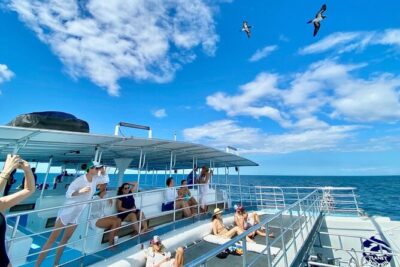
Flamingo Family Fun Catamaran Snorkel:Comfortable shaded seating
Read our review →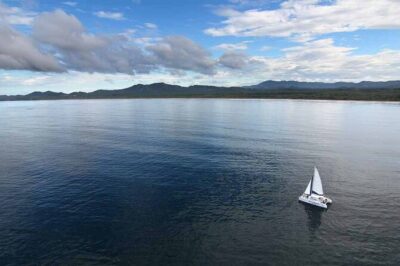
Blue Dolphin Catamaran Snorkeling Sunset Cruise from Tamarindo
Read our review →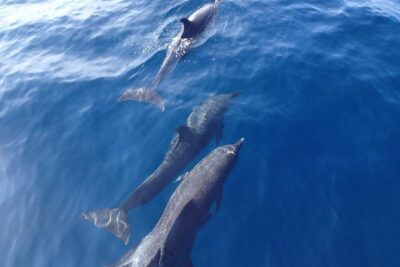
Dolphin and Snorkeling Trip with Costa Rican Companies
Read our review →Lists this trip appears on