Review · BIG ISLAND
KONA Manta Ray Night Snorkel – FREE re-ride if no Sightings
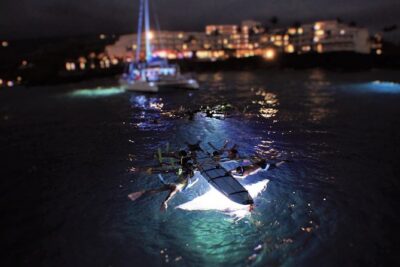
Kona’s manta ray night snorkel puts you face to face with wild rays in dark ocean water, often with the animals gliding within inches of your mask. The viewing area is only a few minutes from shore on this small 23-foot RHIB, so you spend less time bouncing around and more time watching the action.
I like the small group size, capped at 11 people, and the short ride, which helps if you get seasick. I also like the free re-ride policy if no manta rays appear, though that offers little help if you leave the island the next day.
The main catch is simple: this is an ocean activity for experienced swimmers with basic snorkel skills. Night water, swell, cold, and a moving boat can make the experience hard for anyone who is not comfortable in open water.
Key points to know before booking
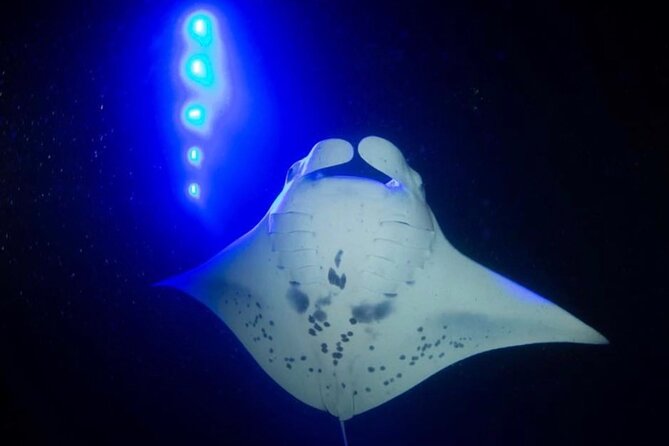
- Manta rays can glide within inches of you, sometimes with several animals circling the lights at once.
- The 23-foot RHIB carries up to 11 passengers, keeping the group smaller than many larger boat tours.
- Water time lasts about 25 to 30 minutes, with roughly 50 minutes from boat departure to return.
- A wetsuit is optional, but you can rent one at check-in and may appreciate it in the night water.
- No manta sighting means a free re-ride, not a refund, so this works best if you have another evening available.
- You must be a capable swimmer with basic snorkeling experience, and casual-use life jackets are not supplied except for children 13 and under.
Why Kona’s night manta snorkel is so unusual
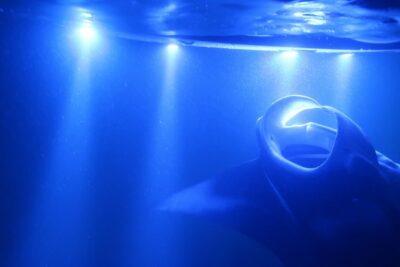
Manta rays gather off the Kona coast after dark to feed on plankton drawn toward lights in the water. You float at the surface while the rays sweep below and around you, using their broad fins to turn through the illuminated water.
This is not a zoo encounter or a controlled animal show. The rays are wild, and their behavior can change from one night to the next. Some outings see several animals almost at once. Another night may produce fewer sightings or none at all.
That uncertainty is part of the bargain. You are paying for a carefully managed chance to see a remarkable natural event, not a guaranteed performance. The operator addresses that risk by offering a free re-ride if no rays appear. You still do not receive a refund, and the policy matters most if you have enough time on the Big Island to return.
The experience has earned a 4.9 rating from more than 2,200 ratings, with 97 percent of customers recommending it. Those numbers fit the basic appeal: the encounter can be extraordinary, the boat is small, and the staff puts considerable attention on instructions and water safety.
More whale shark and manta ray swims around Big Island:
- Big Island Manta Ray Night Snorkel
★ 5.0 · 5,656 reviews - Big Island: Kona Manta Ray Snorkel Tour in Keauhou Harbor
★ 4.5 · 2,465 reviews - Manta Ray Night Snorkel at Kona, Big Island
★ 5.0 · 1,758 reviews
A short ride on a 23-foot RHIB
You meet at 78-7138 Kaleiopapa Street in Kailua-Kona. The boat is a 23-foot RHIB, a rigid-hulled inflatable boat shaped much like a Zodiac, and it carries no more than 11 passengers.
That small capacity changes the feel of the trip. You are not being loaded onto a large vessel with dozens of people competing for space around the viewing area. The crew can give instructions to a compact group, keep an eye on swimmers, and help people get settled.
The ride itself is very short. Several accounts describe reaching the viewing point in only a few minutes, though conditions and exact timing can vary. The full boat portion from departure to return takes about 50 minutes, including roughly 25 to 30 minutes in the water.
A short ride is especially useful if you are prone to motion sickness. It also leaves more of your evening free for dinner or another Kona activity. The tradeoff is that a small RHIB gives you less shelter than a larger boat. You should expect a more open ride, and choppy conditions can make boarding and the trip less comfortable.
Ocean conditions can change without notice. The operator has canceled outings when the water was judged unsafe, even when other companies continued to run. That can disrupt your plans, but it is the right call for a night activity that requires people to enter open water.
What happens once you enter the water
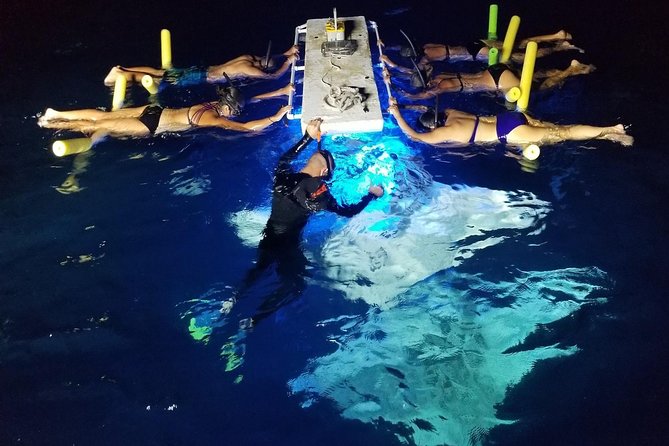
At the viewing area, the crew sets up the surface lighting that attracts plankton and, in turn, manta rays. You enter the water and hold onto or stay near the viewing setup while the guides explain what to do.
You should expect around 25 to 30 minutes of water time. That may sound brief, but cold water, darkness, and the effort of swimming make it a useful amount of time. Some people see rays almost immediately. Others may wait before the first animal arrives.
The best part is the scale of the encounter. Manta rays can pass directly beneath your face, turn on their sides, or sweep close enough that you see the details of their mouths and winglike fins. Accounts describe anywhere from three rays to six, eight, or nine animals on particularly active nights. One outing even included a young ray estimated at four months old.
You do not touch, chase, or block the animals. The guides explain how to remain still and let the rays control the encounter. That matters for both safety and conservation. A ray may come close on its own, but you should never reach toward it.
Guides such as Taco, Peyton, Mike, Fisher, Rocky, Keiki, and Captain Mike have been singled out for clear instructions, enthusiasm, and attention to the group. Staff members may explain manta biology in the boat and continue teaching in the water. The commentary helps turn a close animal encounter into something more meaningful, since you understand what the rays are doing rather than simply watching shapes pass through the light.
Why the small group matters
A maximum of 11 passengers is one of the strongest reasons to consider this operator. Small groups reduce crowding on the boat and make it easier for you to hear safety instructions before entering the water.
In the ocean, group size also affects your comfort. A crowded viewing area can feel chaotic, especially at night when you are trying to keep track of your mask, fins, flotation aid, the guide, and the animals. A smaller group gives the crew a better chance to notice if someone is cold, anxious, or struggling.
The boat may carry three staff members, including a captain, an in-water guide, and another crew member who can assist with boarding and equipment. Staffing can vary, but the setup described on several outings suggests strong attention to the water group.
Do not confuse a small group with an easy activity. You are still entering the ocean at night. The operator requires all participants to be experienced swimmers with basic snorkeling experience, and children must be at least five years old to board.
More night snorkels around Big Island:
- Glow of the Deep: Night Snorkeling with Manta Rays
★ 4.5 · 1,254 reviews - Manta Magic: Small-Group Manta Ray Night Snorkel in Kailua Kona
★ 5.0 · 1,141 reviews - Manta Ray Night Snorkel in Kona
★ 5.0 · 777 reviews - Krabi 4 Island Sunset Snorkeling Cruise + Bioluminescent Swim
★ 5.0 · 1,861 reviews
Safety, flotation, and the limits of the activity
The safety details deserve a close look. The tour does not provide casual-use life jackets for most participants. Children 13 and under receive them, while other swimmers may use a pool noodle or another flotation aid for comfort.
Life jackets approved by the U.S. Coast Guard are kept on board, according to the operator, and trained guides remain in the water with the group. Surface lights are used during the manta viewing. These details address the most obvious concern about being in a dark ocean at night, but they do not remove the need for swimming ability.
You should be honest with yourself before booking. If you are only comfortable in a pool, have trouble using a snorkel, or become panicked when you cannot see the bottom, this may not be the right activity. One five-year-old had difficulty with a mask, which made the experience challenging. Practicing with a mask and snorkel before the trip is a sensible idea for children and nervous adults.
The crew may warn you about swell before departure and may offer the chance to judge conditions before entering the water. If you are uneasy, speak up early. The operator has offered refunds when conditions or a participant’s comfort made the outing unsuitable, though you should confirm the current policy directly if that situation applies to you.
Wetsuits and what to bring
Wetsuits are optional and available to rent at check-in. A wetsuit top has been rented for $10 on some outings, while other people have gone without one.
Night water can feel cold even when daytime temperatures are warm. You are not swimming continuously for an hour, but you will remain in the water for 25 to 30 minutes with little chance to warm up. I would plan on renting a wetsuit if you get cold easily, and I would bring your own if you already have one.
The company asks you not to bring valuables because there is no office for secure storage. You need to leave belongings in your own vehicle. Bring only what you need for the outing, and follow the check-in instructions carefully.
All snorkel equipment is included when you book the snorkeling option. Fuel surcharges, taxes, fees, and handling charges are also included. Hotel pickup and drop-off are not included, so you need to arrange your own way to the meeting point.
Is $49 a good value?
At $49 per person, this is an unusually low price for a guided manta ray outing, especially with equipment and fuel charges included. The small boat and limited group size add value because you are not paying for a large, crowded operation.
The price is easiest to justify if seeing manta rays is high on your Big Island list. Even 25 minutes in the water can feel like a major part of the trip when several rays circle close by. The short boat ride also means less time and fuel spent reaching the site.
Still, the low price comes with a few limits. Hotel transportation is not included. The boat is small and open. You receive no refund if there are no sightings, only a free re-ride. That re-ride has real value only if you have another suitable evening before leaving Kona.
The tour is usually booked about 28 days ahead, so you should not assume that a last-minute space will be available. If your schedule allows, booking early and placing the outing before your final night gives you a better chance to use the re-ride policy if needed.
Cancellation and weather planning
You can cancel at least 24 hours before the start time for a full refund. Changes or cancellations inside that 24-hour window are not accepted for a refund.
Weather and ocean conditions can cancel the trip. If that happens, you are offered another date or a full refund. The same applies if the minimum number of people is not met, with the option of a different date or experience.
I would avoid placing this tour on your last possible evening. That gives you no practical room for a cancellation, rough conditions, or a no-sighting re-ride. An earlier evening gives you flexibility and makes the operator’s policy more useful.
Who should book this Kona experience?
This tour suits you if you:
- Swim confidently in open water.
- Have used a snorkel before.
- Want a close wildlife encounter rather than a long boat cruise.
- Prefer a small group to a large commercial outing.
- Can tolerate cold water, darkness, and some swell.
- Have enough time to return for a second outing if no rays appear.
It is less suitable if you need a life jacket for confidence, dislike moving boats, have no snorkeling experience, or are traveling on a schedule so tight that a canceled or unsuccessful outing would leave no alternative.
Families can make it work, but children need more preparation than simply showing up. The minimum boarding age is five, and young swimmers should practice mask and snorkel use before arriving. Adults should also understand that the crew requires basic water competence from everyone.
Should you book the Manta Ray Night Snorkel?
Yes, if you are a capable swimmer and manta rays are one of your reasons for visiting the Big Island. The short ride, 11-person limit, 25 to 30 minutes in the water, and $49 price make this a strong value.
Book it with realistic expectations. You may see several huge rays close enough to fill your view, or you may need to use the free re-ride policy. Choose an evening early enough in your stay to protect against weather and empty sightings, rent a wetsuit if you get cold, and practice snorkeling before you go.
For confident swimmers, this is one of Kona’s most memorable nighttime nature activities. For everyone else, the small boat and low price do not change the central fact: you are entering the open ocean after dark.
FAQ
Where does the tour meet?
The meeting point is 78-7138 Kaleiopapa Street, Kailua-Kona, Hawaii 96740. The tour ends back at the same meeting point.
How long does the tour last?
From boat departure to return, the outing takes about 50 minutes. Total time with check-in, boat travel, and water time is approximately 1 hour and 20 minutes.
How long do I stay in the water?
Water time is about 25 to 30 minutes.
How many people can ride the boat?
The 23-foot RHIB carries up to 11 passengers. The activity has a maximum of 11 participants.
Are snorkel masks and equipment included?
Snorkeling equipment is provided when you select the snorkeling option. A manta ray tour without snorkeling is also available, but seeing rays from the boat is not guaranteed.
Can I rent a wetsuit?
Yes. Wetsuits are optional and available to rent at check-in.
What happens if no manta rays appear?
There is no refund for a night without sightings. You receive a free re-ride instead. The re-ride is only useful if your schedule allows you to return.
Do I need to be a strong swimmer?
You must be an experienced swimmer in good health and have basic snorkeling experience. The activity is not intended for people who are uncomfortable in open water.
Are life jackets provided?
Casual-use life jackets are not provided for most participants. Children 13 and under receive them. Coast Guard-approved life vests are kept on board, and flotation noodles may be available for comfort.
What is the cancellation policy?
Cancel at least 24 hours before the start time for a full refund. Cancellations or changes within 24 hours are not refunded. If poor weather or an insufficient number of participants cancels the tour, you are offered another date or a full refund.
New snorkel trips around Big Island
- Manta Ray Snorkel in Kailua-Kona with Hot Cocoa★ 4.8 · 115 reviews
- Kona Turtle Snorkel Sail with Lunch and Drinks★ 4.9 · 19 reviews
- Big Island: Kona Half-Day Boat Tour with Snorkeling & Lunch★ 5.0 · 34 reviews
- Hilo: Sea Turtle Lagoon and Black Sand Beach Snorkel★ 4.5 · 119 reviews
- From Keauhou Bay: Snorkel Cruise to Captain Cook’s Monument★ 4.8 · 242 reviews
- Dolphin Watch Snorkel and BBQ in Kona, Big Island★ 4.3 · 21 reviews
- Big Island: Morning Snorkel Sail to Captain Cook’s Monument★ 4.9 · 49 reviews
- From Hawaii: Eco-Friendly Snorkeling Experience with BBQ★ 4.8 · 151 reviews
Big Island Snorkeling Tours, side by side.
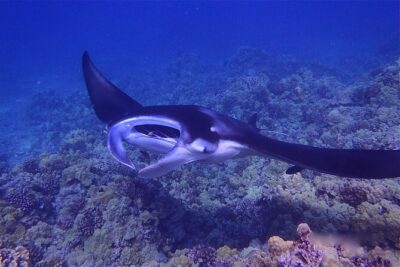
Big Island: Kona Manta Ray Snorkel Tour in Keauhou Harbor
Read our review →
Big Island: Captain Cook Snorkel On A Power Catamaran With Lunch
Read our review →
Kona Snorkel Tour: Captain Cook Reef Snorkel, Dolphin & Sea Caves
Read our review →
Glow of the Deep: Night Snorkeling with Manta Rays
Read our review →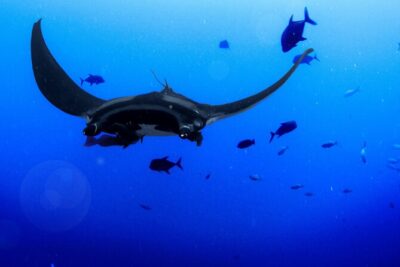
Manta Magic: Small-Group Manta Ray Night Snorkel in Kailua Kona
Read our review →
Kona’s Best Morning Snorkel: Captain Cook & Kealakekua Bay
Read our review →