
Review · BIG ISLAND
Big Island: Snorkel with Manta Rays – Manta Guarantee
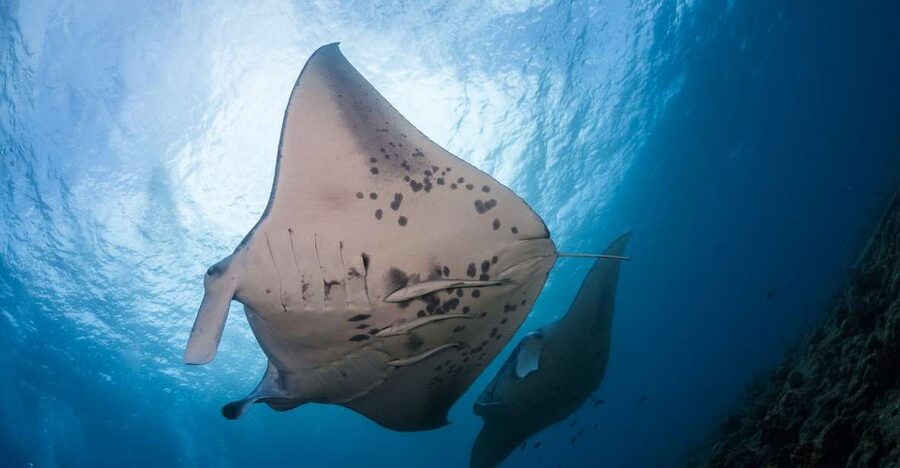
At sunset off Kona, enormous manta rays glide within inches of you, turning slowly beneath a floating light as they feed on plankton. This is not a standard reef snorkel. You remain mostly in one place, watching the animals make graceful passes below.
I like the comfortable 50-foot sailing catamaran and the crew’s careful support in the water. I also like the practical touches: prescription masks, wetsuits, hot drinks, and a manta float that lets you watch without constantly kicking. The main caution is simple: the rays are wild animals. Most outings see impressive action, but one recent participant saw only a brief encounter.
Key points to know before booking
- Manta Ray Village after sunset: The feeding activity takes place at night, when plankton gathers around the boat’s light.
- About 45 minutes in the water: You hold the Manta Float while watching the rays from above.
- A spacious HokuNui catamaran: The 50-foot boat has room for up to about 40 people and is shoeless onboard.
- Strong crew support: The guides give a clear briefing and stay attentive to anyone who feels uneasy in the water.
- Good cold-weather comforts: Wetsuits, snacks, beverages, and hot cocoa are included.
- You must be an experienced ocean swimmer and snorkeler: This is not suitable for anyone needing swimming assistance.
Why the manta encounter feels so different
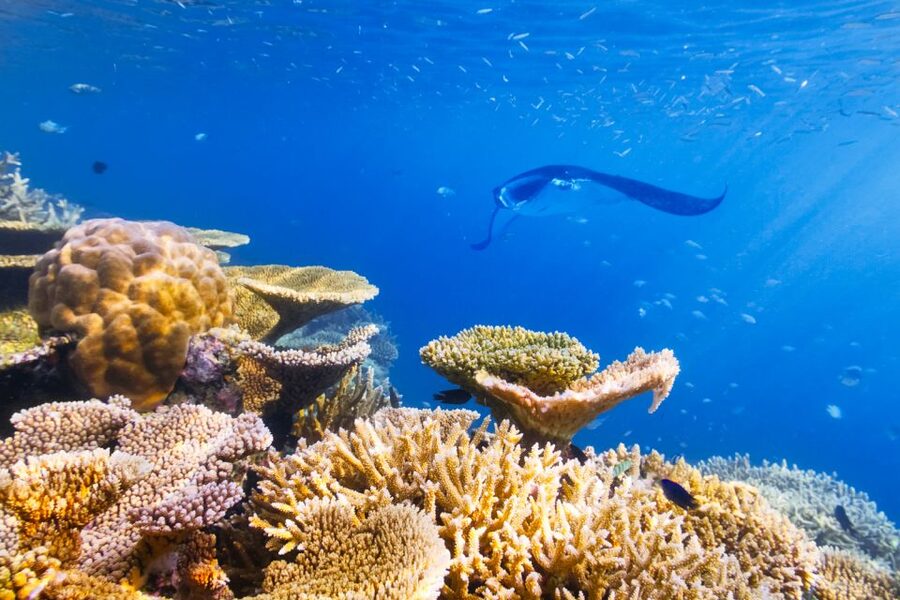
The appeal is not simply seeing a manta ray. It is seeing one move close beneath you in the dark, with its broad wings folding and opening as it filters plankton from the water.
The rays are not fed by the crew, handled, or trained for the encounter. A light attached to the floating platform attracts microscopic plankton, and the plankton attracts the mantas. The animals come to feed in their natural setting, then move away when they choose.
That makes the experience thrilling but also unpredictable. You might see several rays making repeated passes, or you might spend part of the session waiting for the right moment. One person reported seeing around 10 mantas, while another had only one short encounter. The manta guarantee helps address that uncertainty, but you should still think of this as a wildlife outing, not a staged show.
For me, the close range is the memorable part. The rays can pass just beneath your body, sometimes close enough to make you instinctively hold still. Their size can be startling, yet their movement is quiet and controlled. You are watching animals that can have impressive wingspans while they move through the water with almost no apparent effort.
More whale shark and manta ray swims around Big Island:
- Big Island Manta Ray Night Snorkel
★ 5.0 · 5,656 reviews - Big Island: Kona Manta Ray Snorkel Tour in Keauhou Harbor
★ 4.5 · 2,465 reviews - KONA Manta Ray Night Snorkel – FREE re-ride if no Sightings
★ 5.0 · 2,212 reviews
Leaving Keauhou Bay on the HokuNui
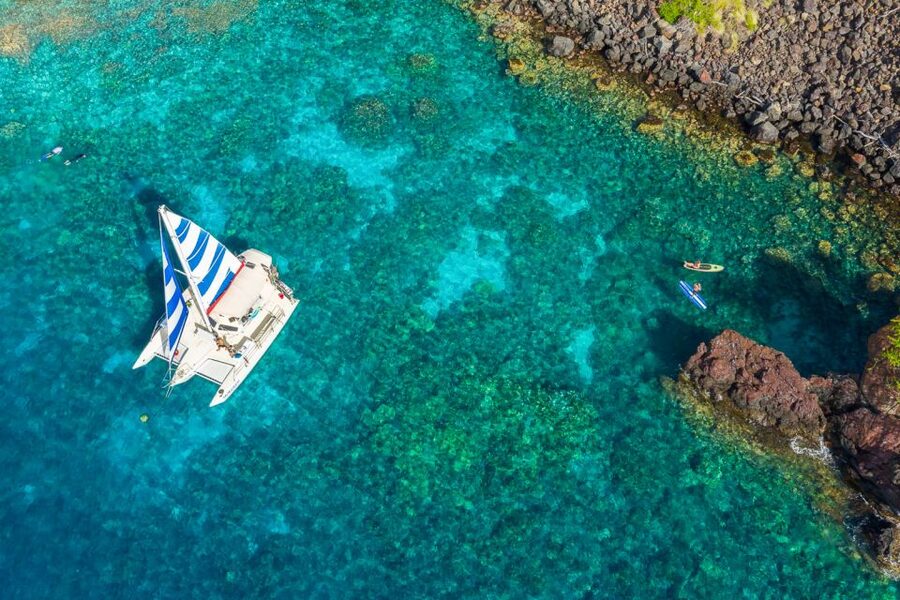
Your evening begins at Keauhou Bay Pier. Check in 15 minutes before departure with the crew in gray shirts, and arrive wearing your bathing suit so you can be fitted for a wetsuit without changing first.
The boat is the HokuNui, a 50-foot sailing catamaran. It is a practical choice for this outing because a catamaran gives you room to move around and a broad, stable platform for boarding. The boat is shoeless, so wear footwear you can remove easily at the pier.
The ride to the manta site is short, roughly five to six minutes according to one detailed account. That matters if you dislike long boat trips or are traveling with children. You still need to plan for motion sickness, though. One participant felt queasy even after taking Dramamine, and the advice was to sit along the outside part of the boat if you are prone to seasickness.
The boat has been described as comfortable and modern, with room for about 40 people. That is not a tiny private outing, but the space helps keep the ride from feeling cramped. You can enjoy the sunset on the way out, then prepare for the water as the boat reaches Manta Ray Village.
The briefing makes the water time easier
At the site, the crew explains how to use the equipment, how to hold the float, and how to behave around the animals. Listen closely. The manta rays are large, but they are not a reason to panic. The key is to stay calm, avoid reaching toward them, and follow the crew’s instructions.
The guides enter the water with you and keep watch. Their role is more than pointing out rays. They help people who feel uncertain, answer questions, and keep the group positioned around the floating light.
Capt. T-Roy is specifically praised for being personable, while the wider crew is described as friendly, attentive, and highly organized. That combination is useful here. You are entering the ocean after dark, so clear directions and calm support matter more than a fast-paced presentation.
You will be fitted with a wetsuit, mask, snorkel, and the Manta Float. Prescription masks are available, which is a meaningful advantage if you normally struggle to see clearly underwater. The equipment list also includes standard masks and snorkels, so you do not need to bring your own unless you prefer familiar gear.
Holding the Manta Float above the feeding rays
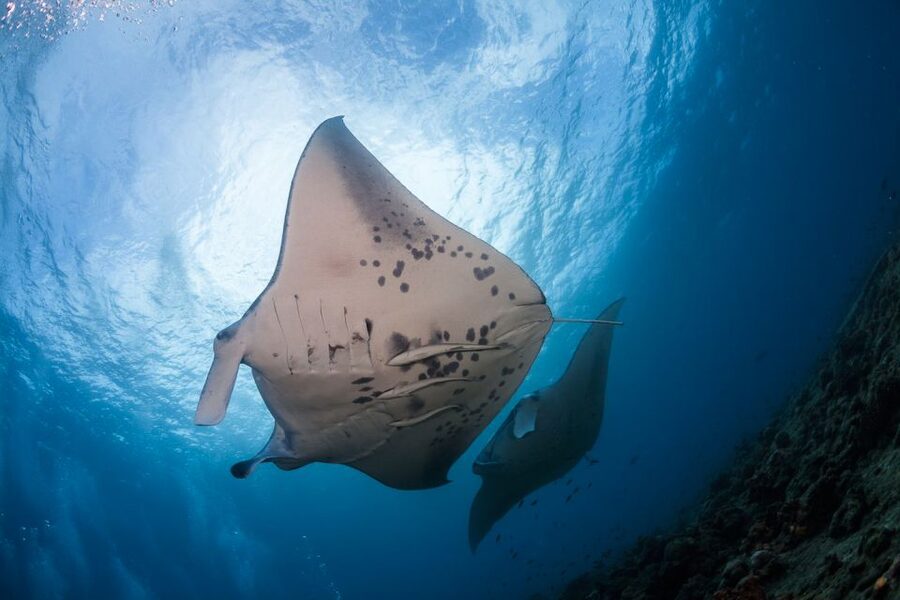
The main activity lasts about 45 minutes in the water. You hold onto the Manta Float while looking down toward the illuminated water below. The float reduces the need to tread water, but it does not turn the outing into a passive ride. You still need enough swimming ability to enter the ocean, position yourself, and remain comfortable without assistance.
A useful tip from the experience is to keep your arms straight while holding the float. Bending your elbows or pulling yourself up can create shoulder and neck fatigue, especially because you are looking down for much of the session. Straight arms let the float support you more naturally.
The water may move beneath you, and one person described being battered by waves while waiting for a manta to appear. That is the tradeoff for watching wild marine life at night. You are not swimming from one reef to another, but staying in position can still be tiring.
The crew may explain the individual rays, their names, wingspans, diet, life cycle, and environment. The exact number of animals changes from night to night. You might see one, seven, or more, and the rays may make repeated passes or appear only briefly.
That uncertainty is worth understanding before you book. The best version of the outing can feel almost unreal, with several mantas circling below and occasionally brushing close to the viewing area. A slower evening can still offer a look at a remarkable animal, but it may not match the dramatic scenes you have imagined.
More snorkeling tours around Big Island:
- Big Island: Captain Cook Snorkel On A Power Catamaran With Lunch
★ 5.0 · 2,232 reviews - Manta Ray Night Snorkel at Kona, Big Island
★ 5.0 · 1,758 reviews - Kona Snorkel Tour: Captain Cook Reef Snorkel, Dolphin & Sea Caves
★ 4.5 · 1,411 reviews - Glow of the Deep: Night Snorkeling with Manta Rays
★ 4.5 · 1,254 reviews
A respectful way to see marine life
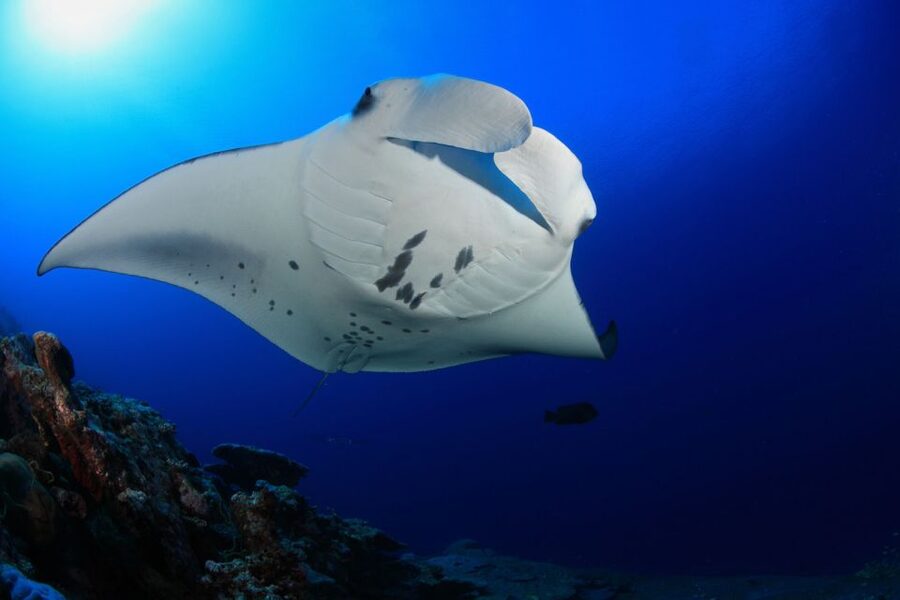
This outing works because you are not chasing the animals. The light gathers plankton, and the mantas come to the feeding area on their own. The crew’s job is to help you watch without interfering.
That distinction matters to me. A good wildlife experience leaves the animal in control of the encounter. The rays can pass beneath the float, turn away, or disappear into the darkness. You get a clear view, but not ownership of the moment.
The guides also keep an eye on the people in the water. Several accounts describe strong attention to safety, including help for anyone who felt uncomfortable while still allowing confident swimmers to enjoy the activity. If you are nervous, tell the crew early rather than trying to appear more capable than you feel.
You should not book this as a first-ever snorkel lesson. The rules require every person entering the water to be an experienced swimmer and snorkeler who can manage without assistance in the ocean. The tour is not suitable for wheelchair users, and the provided information does not describe an accessible water-entry option.
Warm drinks make the ride back worthwhile
After about 45 minutes, the crew brings everyone back aboard. This is when the wetsuit and towel become especially useful. The water can leave you chilled, and the boat ride back takes place after sunset.
Snacks, beverages, and hot cocoa are included. Hot tea and hot cider have also been provided on outings, making the return trip more comfortable. A light sweater is worth packing, even if the evening began warm.
Bring a towel and wear swimwear beneath the wetsuit. There is no mention of a changing area at the harbor, and one person found it inconvenient that the public restrooms were locked after returning to the pier. Plan to leave in your wet swimsuit or bring whatever cover-up you need for the drive back.
The same practical report noted that the harbor driveway and parking area could be better lit at night. Use a phone flashlight if needed, and take care walking back to your car while other vehicles are leaving. This is not a problem with the manta viewing itself, but it is useful to know before you arrive.
Is the $141 price fair?
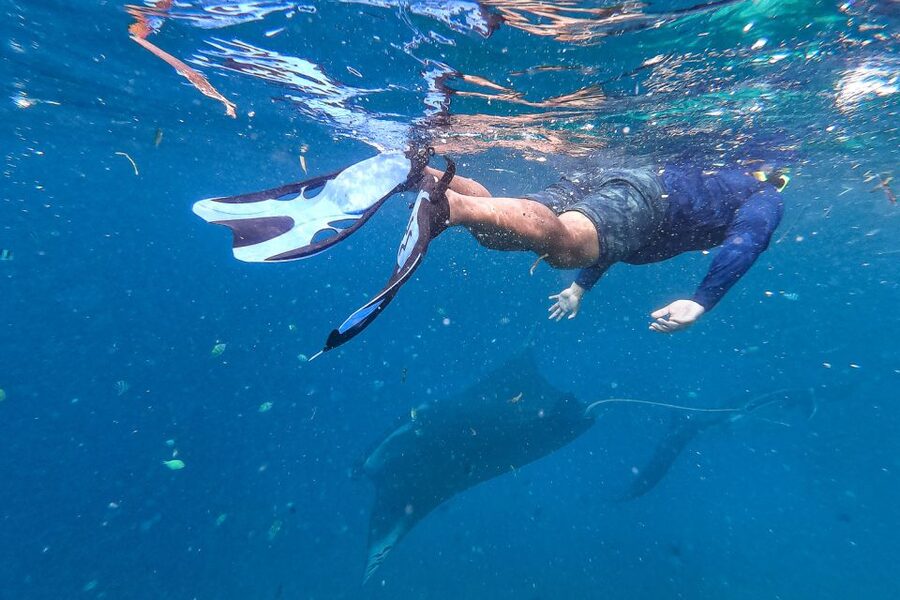
At $141 per person, this is not a cheap add-on. You are paying for a specialized nighttime wildlife outing rather than a basic beach snorkel.
The price includes the boat ride, wetsuit, mask, snorkel, prescription mask option, Manta Float, snacks, beverages, and hot cocoa. It also covers the crew in the water, which is important for an activity that requires close attention to safety and positioning.
I see reasonable value if the manta rays are a top priority for your Big Island visit. The outing is only two hours, and the short boat ride leaves most of that time for the actual encounter. You are not spending half the evening in transit.
The value is less certain if you need a guaranteed number of animals. The manta guarantee may make the booking feel safer, but the supplied information does not explain the exact terms of that guarantee. Ask the operator what happens if no manta rays appear before you pay, especially if this is the main reason for booking.
An optional GoPro rental is not included. You can decide if recording is worth the extra cost, but keep in mind that the live view is often better than trying to manage a camera while holding the float. You also need both hands and attention for comfort and safety.
Who will enjoy this most
I would choose this tour for an adult or older child who already swims and snorkels comfortably in the ocean. A 10-year-old and a 16-year-old enjoyed the outing with their family, but age alone is not the deciding factor. Water confidence is.
It also suits you if you like unusual wildlife experiences more than a long sightseeing cruise. The setting is dark, the boat ride is short, and the main event happens in one concentrated area.
The tour may not suit you if you are highly prone to motion sickness, dislike cold water, or feel stressed when you cannot see the bottom. Dramamine may help, but it did not prevent queasiness for everyone. Sit outside on the boat if you need more fresh air and a clearer horizon.
You should also think twice if you expect a private or quiet outing. The boat can accommodate about 40 people, and everyone gathers around the same floating light. The roomy catamaran helps, but this is still a shared activity.
Booking details that affect your evening
The tour is conducted in English. Check in 15 minutes before departure at the Keauhou Bay Pier, where the HokuNui will be waiting.
You can cancel up to 24 hours before departure for a full refund, and the reserve-now, pay-later option lets you hold a place without paying immediately. Starting times vary, so check availability for the date you want.
Wear your swimsuit to the pier. Bring a towel and a light sweater, and avoid bringing shoes aboard unless they are easy to remove. The boat is shoeless.
The 95 percent perfect-score mark for transportation reflects the practical strengths of the boat and crew, but the more important question is how you handle the conditions. You are still on the ocean at night, and the ride and water can be uncomfortable for some people.
Should you book the Manta Ray Village outing?
Book it if seeing manta rays in the wild is high on your Big Island list and you are a capable ocean swimmer. The short ride, long water session, prescription masks, strong crew support, and warm drinks make this a well-planned way to see them.
Do not book it expecting a guaranteed performance from nature. The rays may be plentiful and extremely close, or you may have a quiet night with only a short sighting. The manta guarantee is helpful, but confirm its terms before booking.
For most confident snorkelers, I think the $141 cost is justified by the unusual setting and the amount of time spent watching the animals. Bring a towel, protect yourself from seasickness, keep your arms straight on the float, and let the rays decide how close they want to come.
FAQ
Where does the tour meet?
Check in at the Keauhou Bay Pier, where the boat HokuNui is located. Look for crew members wearing gray shirts.
How early should I arrive?
You should check in 15 minutes before departure.
How long does the activity last?
The total duration is about two hours. Snorkeling time is approximately 45 minutes.
What boat will I ride?
You will ride the HokuNui, a 50-foot sailing catamaran. It has room for about 40 people.
What equipment is included?
The tour includes snorkel gear, masks, snorkels, prescription masks, wetsuits, and a Manta Float flotation device.
Are food and drinks included?
Yes. Light snacks, beverages, and hot cocoa are included. Hot tea and hot cider may also be available.
What should I bring?
Wear swimwear under the wetsuit, and bring a towel and a light sweater for after the water portion.
Can I wear shoes on the boat?
The boat is shoeless. Wear shoes that are easy to remove before boarding.
Do I need to be an experienced swimmer?
Yes. Anyone entering the water must be an experienced swimmer and snorkeler who can swim in the ocean without assistance.
Is a GoPro included?
No. GoPro rental is optional and costs extra.
New snorkel trips around Big Island
- Manta Ray Snorkel in Kailua-Kona with Hot Cocoa★ 4.8 · 115 reviews
- Kona Turtle Snorkel Sail with Lunch and Drinks★ 4.9 · 19 reviews
- Big Island: Kona Half-Day Boat Tour with Snorkeling & Lunch★ 5.0 · 34 reviews
- Hilo: Sea Turtle Lagoon and Black Sand Beach Snorkel★ 4.5 · 119 reviews
- From Keauhou Bay: Snorkel Cruise to Captain Cook’s Monument★ 4.8 · 242 reviews
- Dolphin Watch Snorkel and BBQ in Kona, Big Island★ 4.3 · 21 reviews
- Big Island: Morning Snorkel Sail to Captain Cook’s Monument★ 4.9 · 49 reviews
- From Hawaii: Eco-Friendly Snorkeling Experience with BBQ★ 4.8 · 151 reviews
Big Island Snorkeling Tours, side by side.
Big Island: Kona Manta Ray Snorkel Tour in Keauhou Harbor
Read our review →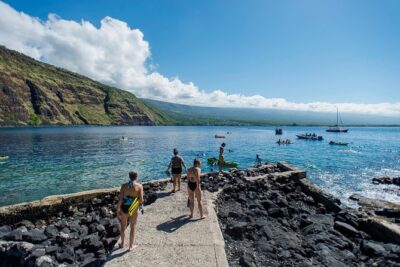
Big Island: Captain Cook Snorkel On A Power Catamaran With Lunch
Read our review →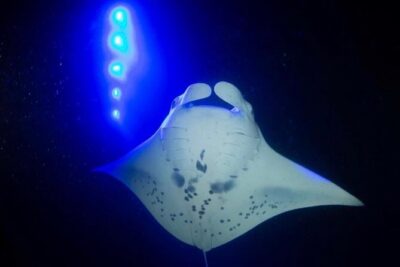
KONA Manta Ray Night Snorkel – FREE re-ride if no Sightings
Read our review →
Kona Snorkel Tour: Captain Cook Reef Snorkel, Dolphin & Sea Caves
Read our review →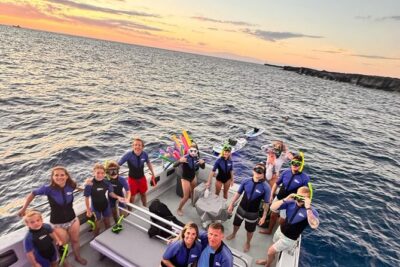
Glow of the Deep: Night Snorkeling with Manta Rays
Read our review →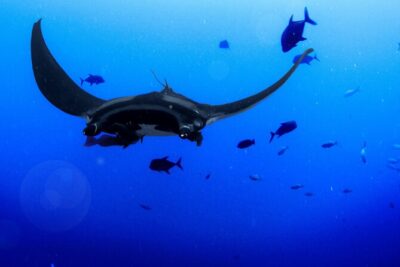
Manta Magic: Small-Group Manta Ray Night Snorkel in Kailua Kona
Read our review →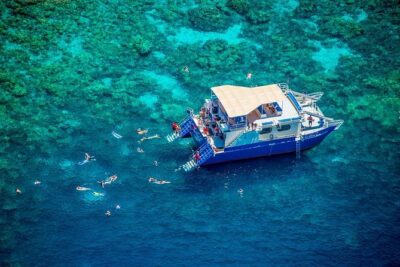
Kona’s Best Morning Snorkel: Captain Cook & Kealakekua Bay
Read our review →Lists this trip appears on